
Study Smarter with the 80/20 Rule in School

Ever feel like you’re working so hard but barely making progress? That was me, grinding for hours, only to scrape by on tests. I’d highlight every sentence, rewrite all my notes, then burn out a week before finals. Sound familiar?
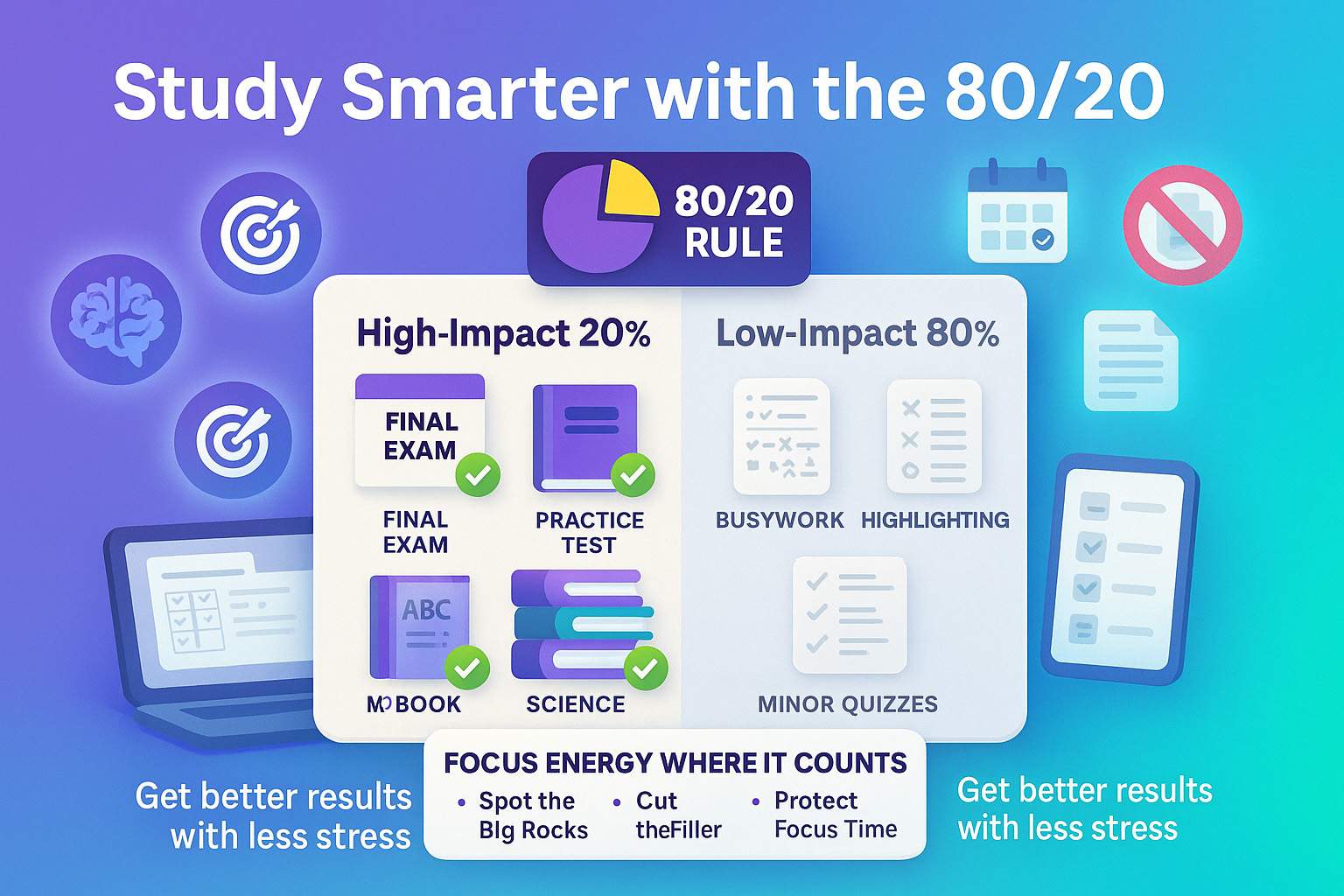
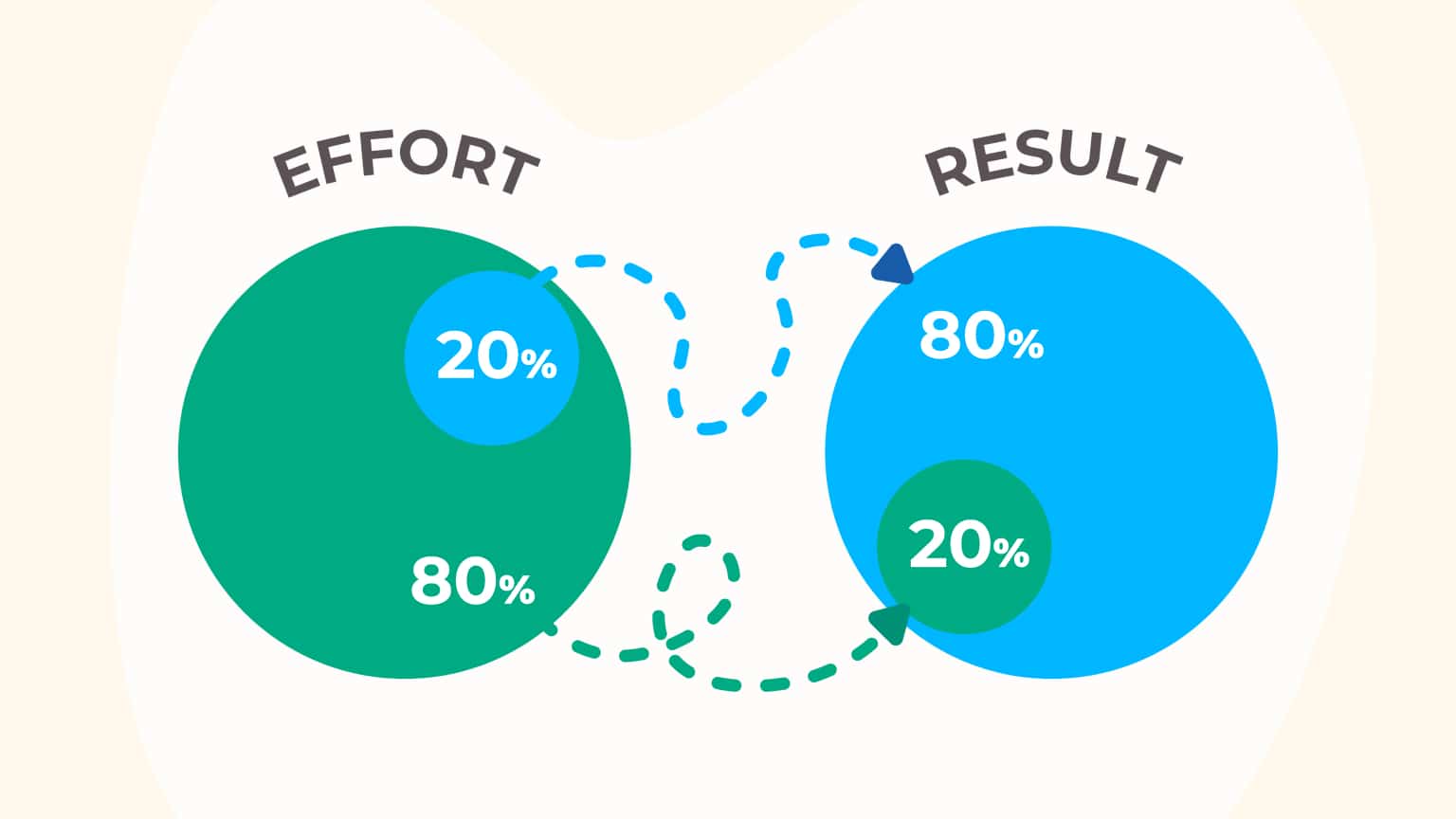
I stumbled on something that flipped that cycle: the 80/20 Rule. Also called the Pareto Principle, this idea says 80% of your results come from just 20% of your efforts. And let me tell you once I started applying it, everything changed.
We’re talking better grades, less stress, and more time to live life (like, actually go outside). Here’s what we’re gonna cover:
- What the 80/20 Rule really means in school
- How to figure out which tasks actually move your grades
- Real tools and tips to make studying way less painful
- Mindset stuff no one talks about (but totally matters)
If you’ve been drowning in flashcards, chasing perfection on assignments worth 2%, or just tired of staying up till 2 AM with nothing to show for it…this one’s for you.
If you’re just starting your time management journey, read Time Management for Students first then come back here to level it up with the 80/20 approach.

What the 80/20 Rule Means for Students
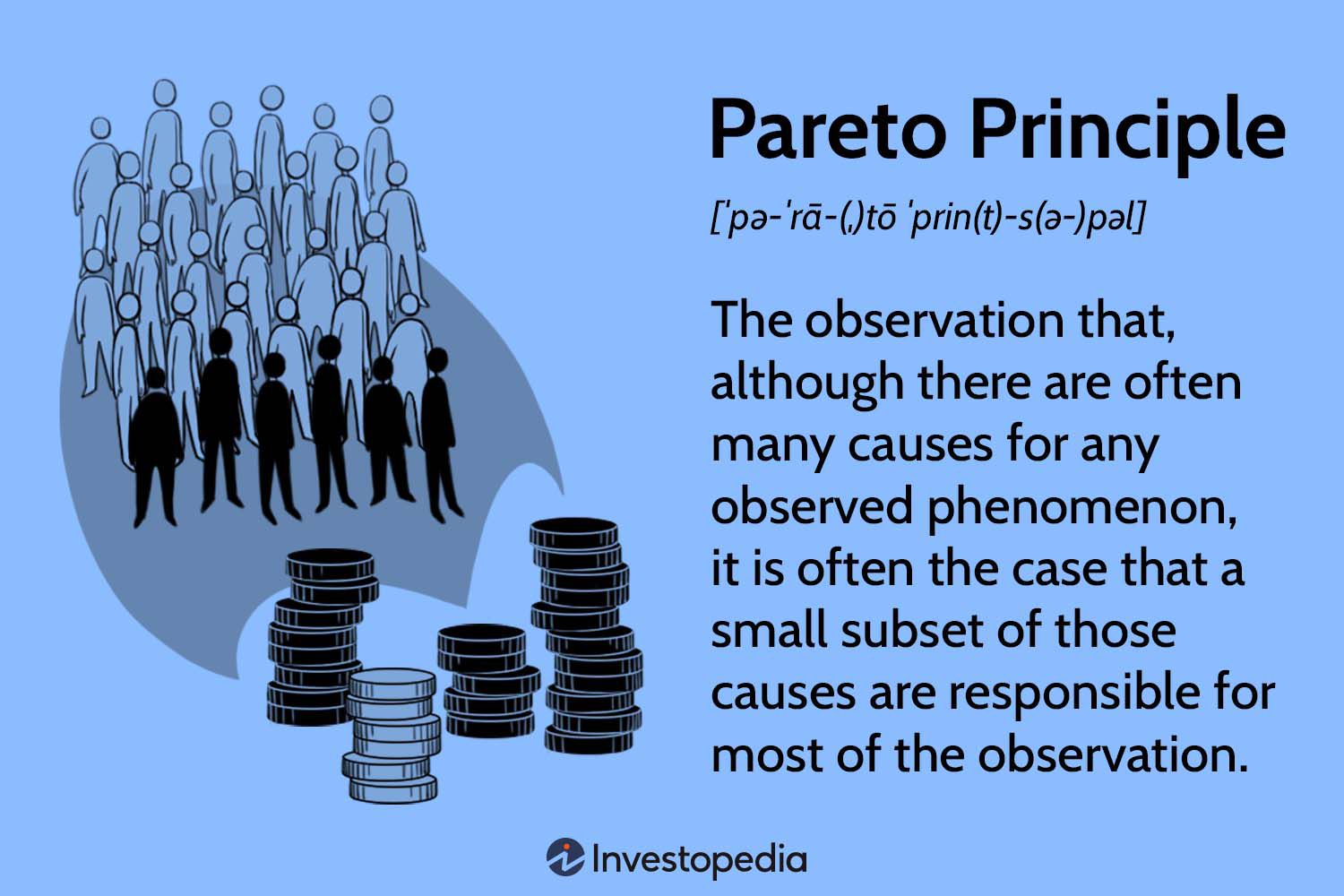
So here’s the gist. Italian economist Vilfredo Pareto noticed that 80% of Italy’s land was owned by 20% of the people. Turns out, this pattern shows up everywhere business, health, even school.
In a school setting, it might mean:
- 80% of your grades come from 20% of your assignments
- 80% of your understanding comes from 20% of your study sessions
- 80% of your stress comes from 20% of your classes
I used to treat every class and task equally. Wrong move. Once I started ranking my courses and tasks by impact boom. I could finally breathe again.
How to Spot the Right 20% That Matters Most
This was a game-changer for me in 10th grade. I looked at my final grade breakdowns and realized my math class had just three major tests and they counted for 75% of my total mark. Meanwhile, all those little homework check-ins were worth… maybe 5% combined. That blew my mind.
Find High-Impact Subjects
Check your syllabus or grading policy. Which classes or topics carry the most weight? For me, science and literature always had chunky essays or cumulative exams. That’s where I started giving more of my energy.
Pinpoint Key Assignments
Midterms, finals, major projects. They’re the big rocks. Don’t waste days perfecting tiny assignments if you’re not even halfway done your term paper.
Ask Your Teacher (Seriously)
One time I straight-up asked, “What’s the most important thing I should focus on for the next few weeks?” My teacher actually appreciated the honesty and pointed me right to what would matter most for finals.
Why Most Study Advice Is Trash Without This Rule
Here’s the deal. We’ve all heard to “study every day,” “highlight your notes,” “just work harder.” But harder doesn’t mean smarter. If you’re spending hours rewriting stuff you already know, you’re draining energy on the wrong 80%.

Goodbye to Busywork
I used to make color-coded flashcards for every vocab word. Hours spent, tiny return. Now? I only make cards for words I keep forgetting. That’s the 20% worth my time.
Stop Chasing Perfect
Trying to get 100% on every quiz left me with no fuel for finals. Letting go of perfection on small stuff let me stay sharp for the big moments.
Don’t Multitask
It’s tempting, I know. Watch YouTube, write an essay, check Insta. But every switch costs you focus. If you want to honor your top 20% tasks, protect that focus time like it’s sacred.
Table: Breaking Down the 80/20 Rule in School
| Task/Area | High-Impact (Top 20%) | Low-Impact (Bottom 80%) |
|---|---|---|
| Assignments | Final projects, term papers, cumulative tests | Daily worksheets, participation points |
| Study Methods | Practice exams, active recall, mind mapping | Rereading notes, passive highlighting |
| Subjects | Weighted subjects tied to GPA goals | Low-credit electives |
| Time Use | Focused 45-minute blocks with no distractions | Unplanned cramming or scattered multitasking |
Tools That Help You Work Less But Score Higher
Once you know what matters most, you need tools to stay on track. I live by my weekly planner where I mark top-priority assignments. Google Calendar keeps me honest with 1-hour study blocks (with breaks). I use apps like Notion to track my 20% goals. Here’s how I break it down.
Weekly Review
Every Sunday night, I spend 10 minutes asking: “What’s the one assignment I need to crush this week?” Then I build around that.
Focus Time with Time Blocking
I don’t study for hours anymore. I block 40 minutes for math test prep, 10-minute break, then 30 for flashcard review. It’s tight. It works.
Use Feedback to Cut the Noise
After one English essay got shredded in feedback, I used that to guide the next one. Fixing just those weak spots got me from a B- to an A. That’s high ROI.
Shifting Your Mindset to Focus on What Really Counts
Here’s the truth nobody says out loud school doesn’t reward doing everything, it rewards doing the right things well. Once I stopped trying to be perfect at every subject, I started actually enjoying learning. Wild, right?
Drop the Perfection Pressure
I used to rewrite every single note in five colors. It felt productive, but I was really just avoiding the hard stuff. When I finally allowed myself to be “good enough” on the less important work, my energy skyrocketed.
Chase Quick Wins First
Start with the stuff that gives you momentum. That one quiz with a huge weight? Tackle that. Watching yourself win early makes it way easier to keep going.
Consistency Beats Cramming
If you only remember one thing: a small amount of focused effort, consistently, beats eight hours of last-minute chaos. The 80/20 mindset is about winning the long game.
Real Students Using the 80/20 Rule
Let me introduce you to Anh. She’s a sophomore who struggled hard in her first semester burning out trying to juggle debate club, three AP classes, and tennis. Then she used the 80/20 method to cut her workload in half by identifying what truly mattered for her GPA and scholarship goals.
Instead of spending two hours every day perfecting Spanish homework (which had low weight), she funneled that time into AP Chem practice exams. Her Chem grade went from a C to an A-. That shift got her noticed for early admissions consideration.
Then there’s Mark. A freshman who spent his whole first term playing catch-up because he didn’t know what counted. Once he ranked all his assignments and saw that his lit essays had a 40% weight, he changed gears. He got feedback, joined a writing group, and improved two letter grades.
It’s not about doing less. It’s about doing less of what doesn’t matter.
FAQ
What is the 80/20 rule in school?
It means focusing on the 20% of your schoolwork assignments, classes, or habits that gives you 80% of your results. It’s a time and energy-saving method that helps you cut the noise and get better outcomes with less effort.
How can students benefit from the Pareto Principle?
You’ll study smarter, not harder. You stop spending hours on tasks that barely move the needle and focus instead on the stuff that drives grades, learning, and confidence. You also reduce stress, burnout, and that panicked “I did everything but nothing worked” feeling.
Does the 80/20 rule work for all subjects?
Yes but the key is figuring out where the weight lies in each class. For math, it could be unit tests. For English, maybe it’s essays. Once you know the 20% that counts, you can go all-in on that and ease off the rest.
Wrap-Up Worth Saving
Let’s review. The 80/20 Rule isn’t just a theory it’s a lifeline. I’ve seen it shift grades, slash study time, and seriously reduce anxiety. You’ve learned how to find what matters most, ditch the filler, use time better, and protect your mental energy. Real students have done it. You can, too.
So next time you’re staring down a never-ending to-do list, stop. Ask yourself: what’s the 20% that actually counts? Then go do that well, purposefully, and with a little less panic.
Your time matters. Use it like it does.