
Time Management for Students: Proven Strategies for Academic Success

I’ve been a chronic time waster. Back in high school, I’d start homework at midnight, study with my phone next to me, and somehow think I had it under control. Spoiler: I didn’t. I’d panic the night before exams and blame the universe for not giving me enough hours in the day.
If that sounds familiar, I get it. Managing time as a student feels like juggling flaming swordsassignments, tests, part-time jobs, maybe even side hustles. There’s never enough time, and the guilt is real when you rest. But the real problem isn’t time, it’s how we use it.
What turned things around for me was one simple truth: you don’t need more time; you need better habits. When I started mapping out my day, setting real goals, and ditching the “I’ll do it later” mindset, everything changed. I wasn’t perfect, but I was finally in control.
Here’s what we’re gonna cover so you can take control too:
- Why managing time matters (beyond just getting things done)
- How to plan your schedule without burning out
- Real ways to stop procrastinating (even if you’re lazy like I was)
- How to balance studying with breaks and real life
- Habits to keep your brain chill and your grades up
By the end, you’ll know exactly how to turn your scattered energy into something that works for you. Think less stress, more progress. Ready?
Why Time Management Matters for Students
The Impact of Poor Time Management
When I was winging it, I missed deadlines, pulled all nighters, and lived in a fog of stress. Sound familiar? It’s not just about forgetting a quiz, it’s a domino effect. You lose sleep, bomb the test, fall behind, and then panic. Repeat.
Poor time management leads to anxiety, burnout, and lower academic performance. Basically, it’s the ultimate sabotage.
Benefits of Effective Time Management
Once I started planning my days (like, actually writing stuff down), everything got lighter. I stopped cramming, had time for Netflix and studying, and my GPA jumped a full point in one semester.
That shift came when I started using student productivity strategies that aligned with how my brain works. These systems help you set goals, minimize distractions, and maintain a steady pace even when motivation fades.
How to Plan Your Time Effectively
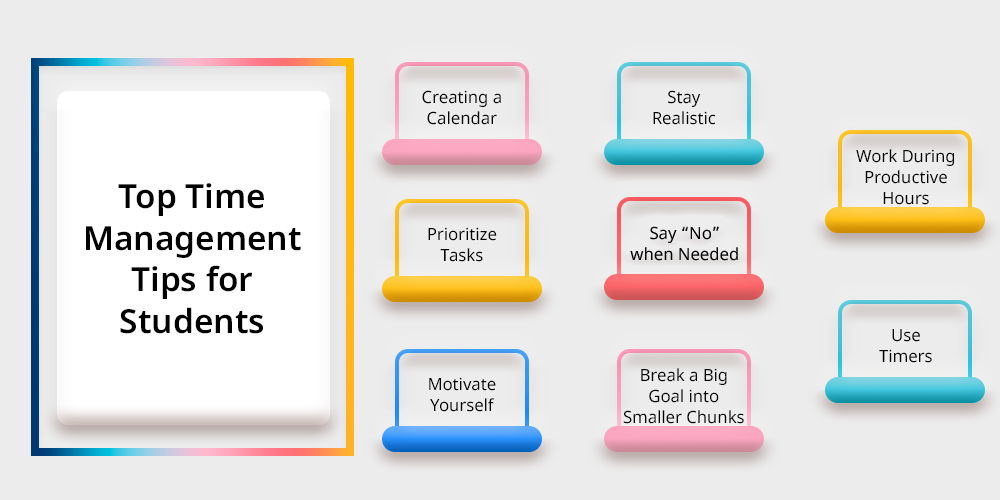
Create a Master Schedule
Planning weekly? Great. Planning daily? Even better. I live by Google Calendar now. I color-code classes, projects, breaks even meals. It sounds intense, but it saves my brain from decision fatigue.
Use a physical planner or digital tool, whatever works. Just make it visible. Here’s a sample weekly structure I followed during finals season:
| Time Block | Activity |
|---|---|
| 8:00 AM – 9:00 AM | Exercise & Breakfast |
| 9:00 AM – 12:00 PM | Study: Major Subject (e.g. Biology) |
| 12:00 PM – 1:00 PM | Lunch & Break |
| 1:00 PM – 3:00 PM | Group Project / Homework |
| 3:00 PM – 4:00 PM | Chill Time / Phone Call / Snack |
| 4:00 PM – 6:00 PM | Study: Secondary Subject |
Set Daily Study Goals
“Study for 3 hours” doesn’t mean anything unless you know what you’re aiming to finish. I used to waste time rereading chapters. Now, I set goals like: “Finish Chapter 4 and do 10 questions.”
This kind of task-oriented planning pairs well with exam preparation techniques that encourage active learning and clear performance goals especially when finals season hits.
Use To-Do Lists and Reminders
Sticky notes used to cover my desk, my mirror even my dog’s crate. Eventually, I switched to using Notion and Google Keep for my daily checklists. Life saver.
Set micro-reminders like: “Research paper sources – 15 mins” instead of “Work on paper.” Be specific. Small tasks are easier to start, which means you’ll actually do them.
Prioritization Techniques That Work
Identify Urgent vs Important Tasks
I learned about the Eisenhower Matrix in a productivity workshop, and wowit clicked. You divide tasks into four boxes: urgent/important, not urgent/important, urgent/unimportant, and not urgent/unimportant.
I started putting “study for midterm” in the urgent/important box, and “scroll TikTok for new memes” in the not urgent/unimportant. It helped me see how much time I was throwing away.
The A-B-C Method for Students
This one’s super simple. Label tasks:
- A: Must do today
- B: Should do if there’s time
- C: Nice to do, but not necessary
This framework also helped me adapt my workload depending on the subject. For example, I needed different prioritization for STEM versus humanities. If you’re navigating this too, check out these subject-specific tips for smarter, tailored study strategies.
Minimize Distractions and Avoid Procrastination
Create a Distraction-Free Study Space
I used to study in bed. Big mistake. My brain couldn’t tell if it was nap time or grind time. Now I have a simple setup: desk, lamp, headphones, water bottle. That’s it. No snacks, no Netflix tabs.
And when you design your workspace with intention, you’re actually creating a better study environment, something that boosts both focus and memory.
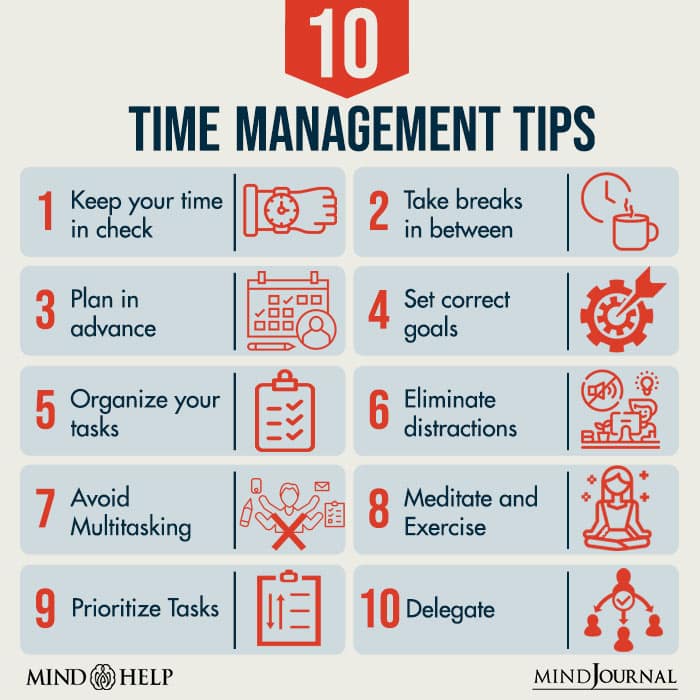
Turn Off Notifications and Set Limits
I’m not proud of it, but I used to check Instagram every 6 minutes. No joke. Now I use Forestan app that grows a digital tree while I study. Touch your phone and the tree dies. Sounds silly but hey, I want that tree alive.
Airplane mode + Do Not Disturb = peace.
Start Tasks Early
I used to tell myself I “worked best under pressure.” That was just fear talking. Starting early = fewer all-nighters and more time to ask for help if you hit a wall. Plus, your future self? They’ll thank you.
Balance Study with Breaks and Flexibility
Understand Your Personal Rhythm
Some folks are night owls. Others can barely function after 9 PM. I’m a morning brain, I get more done by lunch than I do all evening. You gotta figure out your energy pattern. Test it for a week. Track when you’re most focused and use that time for hard tasks.
Don’t fight your natural rhythm. Work with it. Studying when you’re alert cuts your effort in half.
Use Breaks to Recharge
I used to push through hours of reading without breaks. Big mistake. My brain turned to mush. Then I tried the Pomodoro method25 minutes focused, 5 minutes off. Game changer.
Breaks also play into cognitive science especially if you pair them with memory retention techniques like spaced repetition or chunking during study blocks. It’s not about working more, it’s about working smart.
Develop Self-Discipline and Stress Management
Build Better Habits
Let’s be real discipline doesn’t just “click.” I had to train it. Starting small worked best for me. I made one promise to myself per week. Week one: no phone during study. Week two: no homework past midnight. Slowly, it became automatic.
Habits are like muscles. Work them a little each day and they grow stronger.
Practice Mindfulness and Stress Relief
Stress used to live in my chest. Tight, heavy, constant. I didn’t realize how much it affected my focus until I started using breathing exercises before studying. Ten deep breaths. That’s it. Felt like hitting reset on my brain.
Try meditation apps like Headspace or Calm, even for 3 minutes. You don’t have to go full Zen monk. Just slow down your thoughts and reset your nerves.
FAQs
What is the best time of day for students to study?
It totally depends on your energy. Morning people may do better with early study blocks, while night owls might thrive after dinner. Track your focus level across the day for one week. Then, plug in your toughest tasks when you’re sharpest.
How can I stop procrastinating on school assignments?
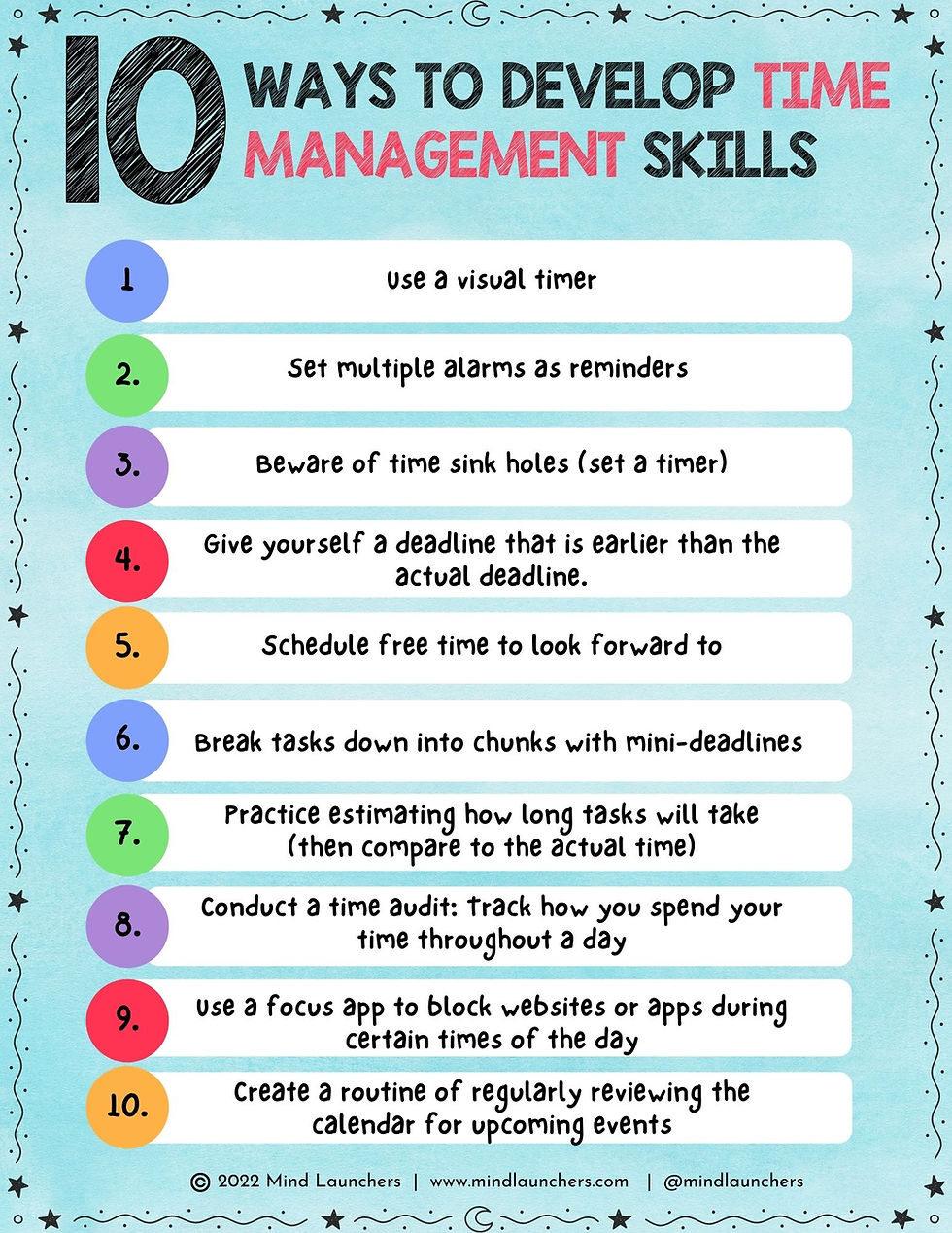
Start tiny. If a paper feels overwhelming, just open a doc and type the title. Or outline it with three bullet points. Momentum builds fast. Also, set fake deadlines 1-2 days before the real one. Trick your brain.
What tools help students manage their time?
I swear by Google Calendar and Notion. Others love Trello, Todoist, or even analog planners. Forest (the focus app) helps kill distractions. Find what clicks with your brain.
How long should students study before taking a break?
The Pomodoro method recommends 25 minutes on, 5 off. After four rounds, take a longer 20-minute break. Personally, I do 45 minutes focus and 10-minute dance party. Test what works for you.
Final Thoughts
Let’s pull it all together. Time management isn’t about being perfect. It’s about being deliberate. Plan your time like it matters. Because it does.
Start by setting goals for your day. Break tasks into chunks. Prioritize what matters most. Build habits you trust even when motivation fades. Use breaks, stay mindful, and above all, stay kind to yourself when things go sideways.
You don’t need to overhaul your life overnight. Just make one better choice today. Your future selfcalmer, happier, and more in control will be so freaking proud.