
How to Prepare for Exams Effectively

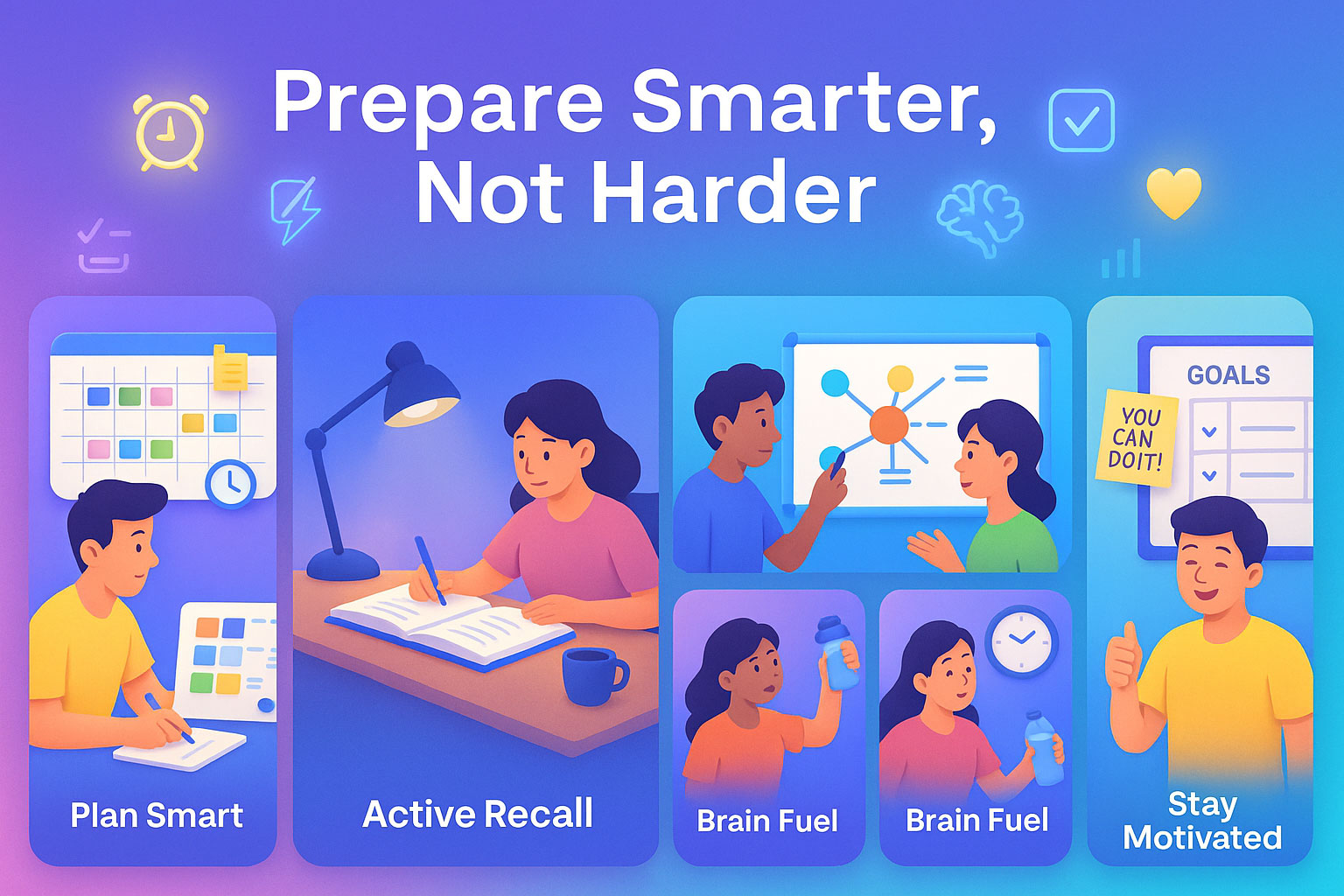
I still remember the night before my biology final. My notes were scattered, my heart was pounding, and all I could think was: “I should’ve started sooner.” Sound familiar? Preparing for exams doesn’t have to feel like a last-minute panic attack or an uphill battle. The truth is, there’s no perfect way but there are smarter ways.
Many of us struggle with distraction, burnout, and overwhelm. The internet is full of advice, yet most of it feels generic or robotic. You need something real. Something grounded in strategies that actually work tried, tested, and backed by people who’ve been through it all.
That’s what this guide is about. It’s not fluff. It’s not theory. It’s the stuff that gets results when you’re staring down multiple subjects and limited time.
- Build a practical study plan based on real priorities
- Create the right environment for real focus
- Use visual tools that make concepts stick
- Practice the right waynot just more
- Take care of your body and your brain
- Boost motivation when things get tough
By the end, you won’t just know how to study better you’ll feel more in control. Let’s begin where it matters most: planning your time without losing your mind.
Build a Study Plan That Works
Set a Flexible, Honest Schedule
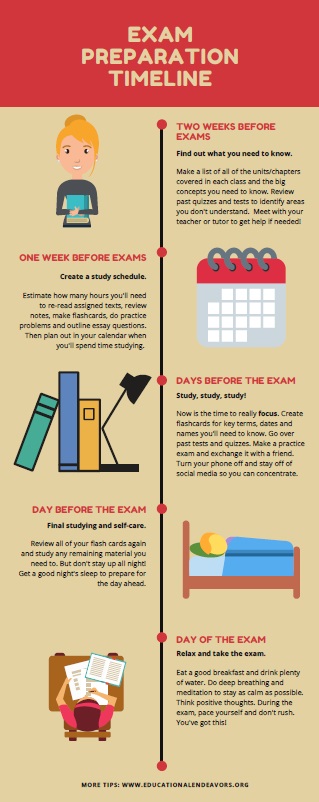
When I was prepping for my SATs, the biggest mistake I made was stuffing eight hours of study into one day. It looks good on paper, but it’s not sustainable. Your plan should match your lifenot replace it. Look at your calendar, note down your exam dates, and work backward. Start with your toughest subject first and space out the easier ones in between.
This method aligns with core principles of time management for students creating realistic goals and allocating energy wisely across your week.
Balance Between Depth and Repetition
Ever re-read the same chapter five times and still feel unsure? That’s a sign to switch gears. Instead of passively reviewing, mix in active strategies: explain a concept to your sibling, write down key points from memory, or use spaced repetition tools like Anki for better long-term recall.
You’ll find that techniques from memory and retention strategies like spaced review and chunking drastically improve how much you actually retain without increasing your study time.
Be Ready to Pivot
Let’s be real, no schedule survives perfectly. You’ll miss days. You’ll get tired. That’s okay. Leave wiggle room. If you overshoot a session, adjust the next one instead of piling stress. What matters is momentum, not perfection.
Optimize Your Learning Environment
Design a Space That Helps, Not Hurts
I used to think studying on my bed was harmlessuntil I realized I was napping halfway through my notes. Set up a space that tells your brain, “this is study time.” That could be a corner of your room, a table at the library, or even a local café (with headphones).
Silence Isn’t for Everyone
Some of my friends swear by complete silence. I need instrumental music to keep going. Try low-volume lo-fi beats, nature sounds, or classical playlists if silence makes you restless. Just make sure it’s not your favorite pop album, you’ll end up singing along instead of solving equations.
Leverage Visual Tools and Active Recall
Make It Visual, Make It Stick
Diagrams saved my physics grade. I still remember sketching out the water cycle in colors and arrows. When you turn abstract ideas into pictures, your brain holds onto them longer. Mind maps, flowcharts, one-page summaries these are all gold.
Teach It Like You Mean It
Ever explain a math trick to someone else and realize you finally “get it”? That’s active recall in action. The more you force your brain to pull info out rather than just rereading the stronger your memory becomes. Practice explaining a topic out loud without notes. If you stumble, that’s your cue to go back and review.
Practice Smart, Not Just Hard
Simulate Real Exam Conditions
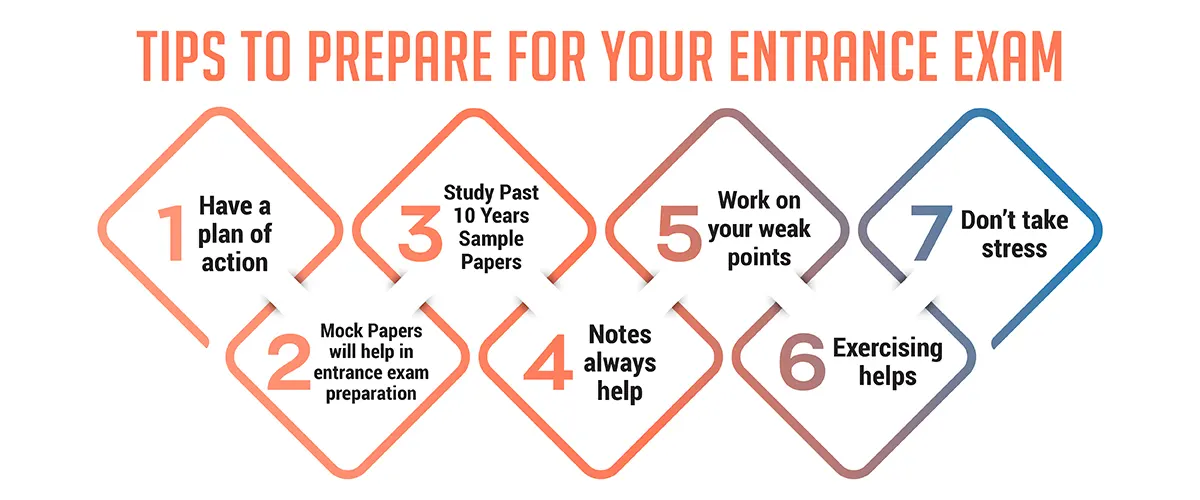
I used to study with my notes open and feel confidentuntil the exam hit and my mind blanked. Practicing under test-like conditions is non-negotiable. Print out past papers. Sit in silence. Time yourself.
If you’re unsure how to prep beyond just reading, try applying these structured exam preparation tips, which focus on confidence-building, pacing, and question-type exposure.
Mix Up the Formats
Don’t just stick to one type of question. Mix MCQs, long answers, match-the-following whatever matches your real test. This makes your brain more flexible and prepared.
Support Your Mind and Body
Feed Your Focus
Coffee helps, but you can’t live off caffeine and stress. I made that mistake during my finals week ended up with headaches and zero focus. You need slow-burning energy: oats, fruits, boiled eggs, yogurt, leafy greens. Drink water, lots of it. Ditch the sugar crashes. Your brain is a muscle feed it like one.
Move a Little Every Day
I’m not a gym rat. But even 20 minutes of walking clears my head when I’m stuck. Stretch between sessions. Do a quick yoga flow. Dance. Just get your body moving. Physical activity boosts blood flow and sharpens memory it’s not fluff, it’s neuroscience.
Protect Your Sleep Like It’s Gold
All-nighters are overhyped. Research shows memory consolidates best during deep sleep. Aim for 7–8 hours, especially before your exam. That night before? Don’t cram. Review lightly, pack your bag, set your alarm, and rest. You’ve earned it.
Boost Confidence and Stay Motivated
Use Progress to Fuel Progress
I used to tick off boxes in my planner just to feel accomplished. It helped more than I thought. Every small winfinishing a chapter, solving a tricky question, even staying off your phone deserves a checkmark. Track those wins. It builds momentum. Momentum builds confidence.
Make your goals visible. Stick post-its on your wall. Use a habit tracker app. Whatever keeps you going when the “ugh I hate this” mood hits. And it will hit. Often.
Speak Kindly to Yourself
This one took me forever to learn. The way you talk to yourself matters. I used to say, “I’m terrible at math,” and guess what? I believed it. Try this instead: “This is tough, but I’m learning it.” You’re not lying. You’re re-framing. Big difference.
Motivational quotes help tooif you pick ones that resonate, not just sound nice. My favorite? “You don’t have to be extreme, just consistent.”
Collaborate and Learn Together
Make Study Groups Work for You
Study groups saved me during my final semester. I used to avoid them too chaotic, I thought. But when structured right, they’re game changers. Set a focus topic, limit the group to 3–5 people, and rotate who leads each session. Keep things tight and useful.
Discussing tough topics with others forces your brain to think deeper. Plus, someone else’s way of solving a problem might just click better for you.
Use Digital Communities
If you don’t have in-person support, go online. Reddit has threads for every major exam. Discord servers host live Q&A study rooms. Just don’t let chat distract from action. Pop in, ask what you need, then bounce back to the books.
| Platform | Best For | Why It Works |
|---|---|---|
| Reddit (r/GetStudying) | Advice + moral support | Real students sharing real tips |
| Discord Study Rooms | Live group revision | Focus sessions + instant feedback |
| Anki Forums | Spaced repetition help | Deck sharing + recall strategies |
FAQs
What’s the best way to start studying for exams?
Start by looking at your exam schedule and listing subjects by difficulty. Make a basic plan. Focus on one subject a day. Don’t over-planjust get started with 30 minutes of focused study using past papers or a topic you’ve struggled with.
How can I avoid burnout during exam season?
Take breaks every 25–30 minutes (Pomodoro works), eat real food, sleep enough, and exercise a little. Mix in a hobby, even if it’s just 10 minutes a day. Talk to people. You’re not a machine. Burnout hits when you ignore your body and brain’s need for variety and rest.
What’s more effective: studying late at night or early in the morning?
There’s no universal best time. I study better at night, but some of my friends are early birds. Find when your energy is highest and block study sessions there. What matters most is consistency and full focus, not the hour on the clock.
Recap of Key Points
If you’re still reading, that means you’re serious about changing how you study and that’s the first big win. You’ve learned how to build a schedule that fits your life, how to design a space that helps you focus, how to practice smarter with visual tools and active recall, and how to care for your body while keeping your motivation steady.
You don’t need to be perfect. You just need to keep showing up. Each small decision choosing to revise instead of scroll, taking that 5-minute walk, explaining a topic out loud stacks into something stronger than willpower: habit. And habits make success feel less like a mountain and more like a daily step.
I failed a chemistry test once because I crammed instead of planning. That was the wake-up call. Since then, I’ve aced finals, cleared competitive exams, and helped friends do the same. You’ve got this one hour, one topic, one win at a time.