
Study Tips for Specific Subjects: Master Every Topic Smarter

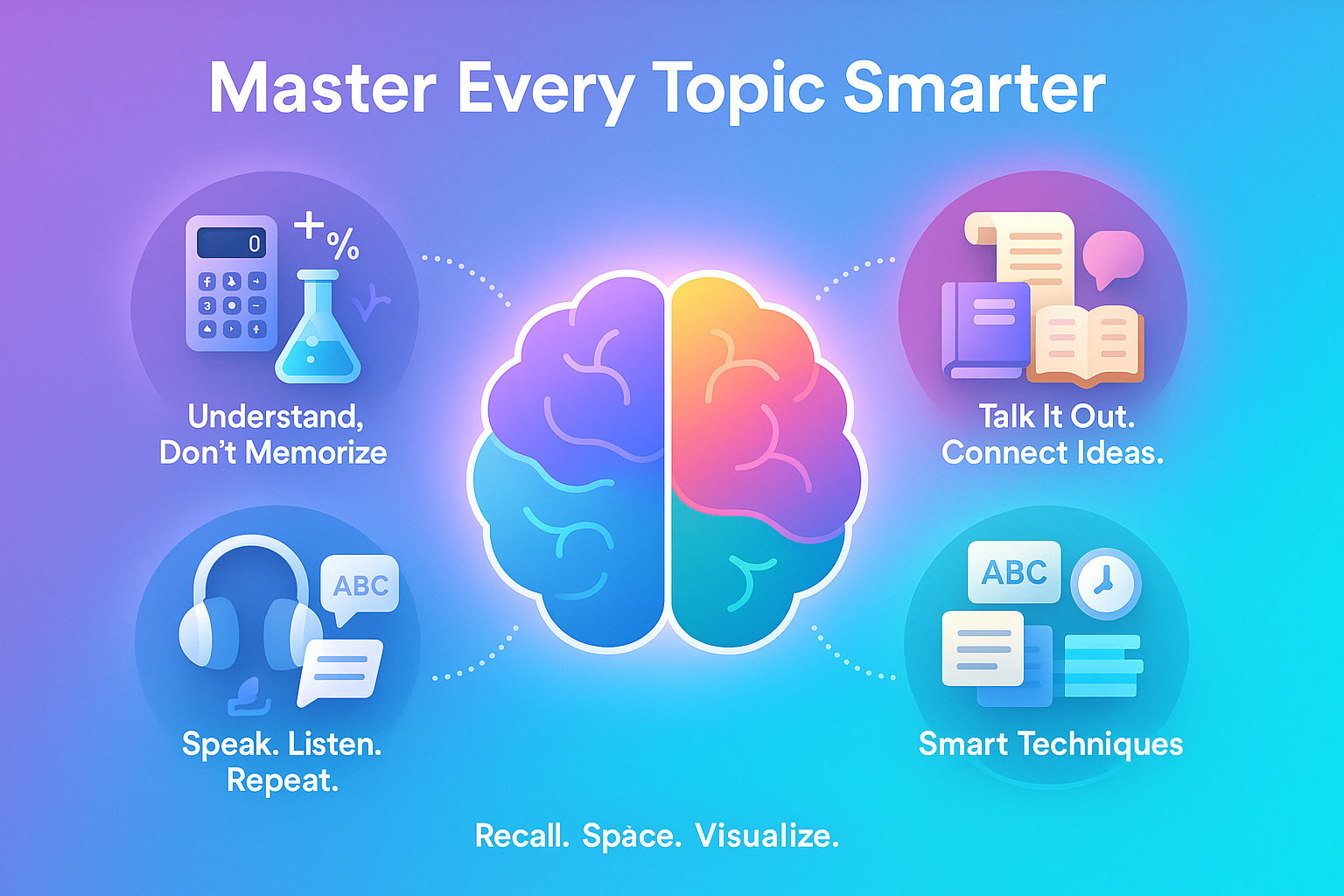
Studying smarter, not longer, changed everything for me. I used to spend hours highlighting books and rewriting notes. Truth? I barely remembered any of it. Once I learned to study each subject based on how it actually works, things finally clicked. Grades went up. Stress went down.
The problem is most study advice is one-size-fits-all. But physics isn’t poetry, and business studies aren’t biology. When you try to study everything the same way, it backfires. You burn out. You forget. You freeze during tests. It’s exhausting.
So here’s what worked for me and what research backs up for studying subjects on their own terms.
- How to actually understand science and math without cramming
- How I learned to make English and economics stick, fast
- Why my study routine changed once I added “space”
- How to alternate subjects so your brain doesn’t check out
In this guide, I’ll walk you through exactly how I tackle each subject step by step. Plus, you’ll see visual examples, tricks for different learning styles, and tools backed by science. Let’s get into it.
Study Tips for STEM Subjects
Chemistry and Physics
These were always my tough ones. Too many formulas, not enough meaning. What helped? Writing out notes but not just words. I left margins for tiny doodles, reaction arrows, and short explanations like “energy in = energy out.” I also kept a box for formulas in each topic like a cheat map, not a cheat sheet.
The moment things started making sense was when I stopped memorizing and started asking why. Why does a reaction shift left? Why does resistance go up when wire length increases? Once I had those answers, the rest just snapped into place.
One game-changing approach I discovered was integrating active learning methods into science subjects debates, problem-solving in pairs, and teaching concepts to others. These hands-on techniques make abstract material click in a real-world way.
I also swear by question banks like UNSW’s past exam sets. Practice isn’t optional here. And when I got something wrong, I made myself explain it to a sibling (who, to be honest, just wanted to watch YouTube).
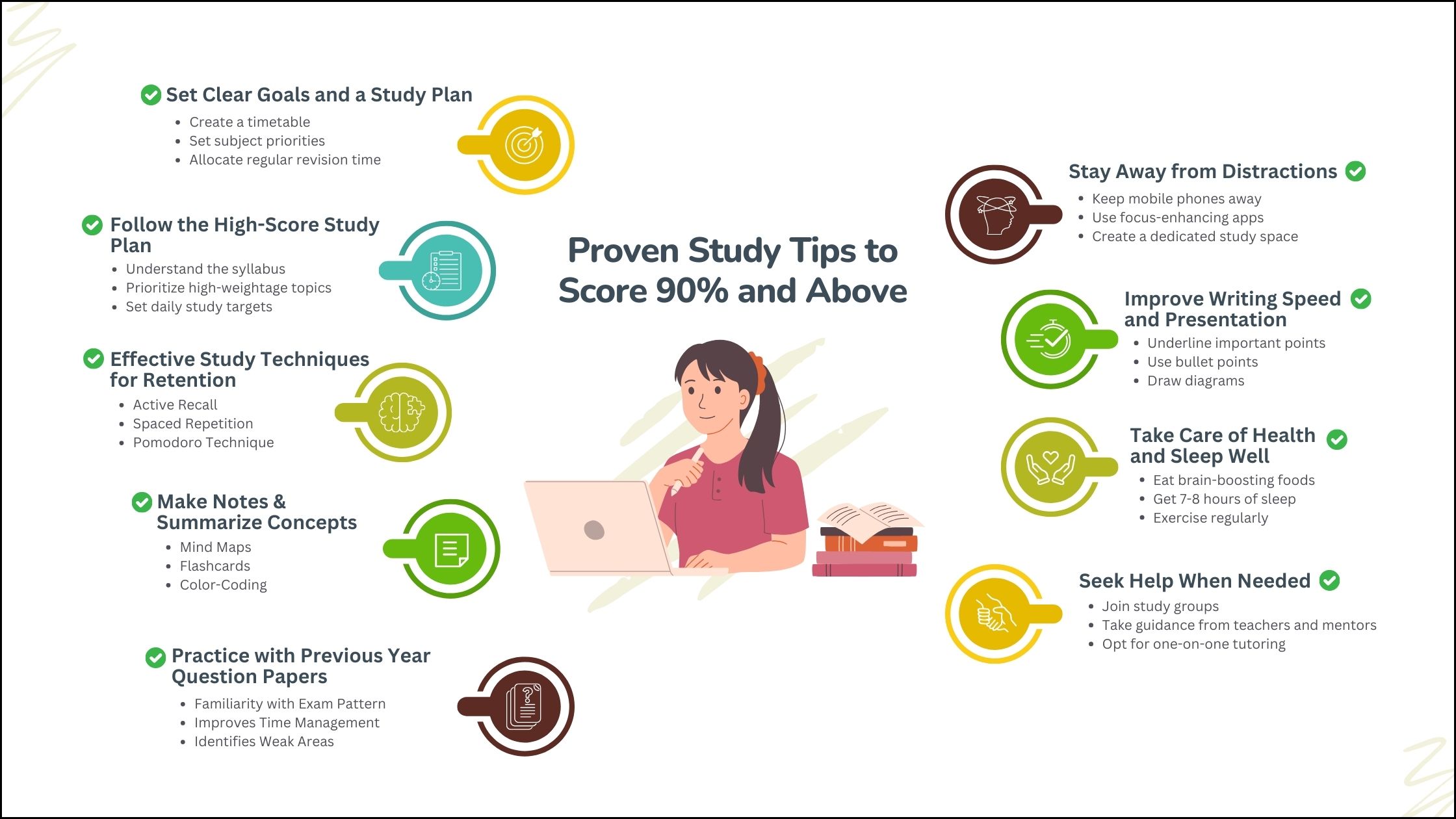
Math
If you’re like me, you can’t just “read” math. It has to be done. So I used repetition not with the same problem, but different forms of the same concept. Geometry, for example, became easier once I practiced it visually. I drew the shapes, then wrote out the steps in plain words next to them. It sounds simple, but it was gold for memory.
Oh, and I kept a separate “formulas notebook” one formula per page with three solved problems. It became my mini workbook. When I was waiting in line, I’d flip through it like flashcards. That thing saved me before a stats midterm more than once.
One thing that helped massively was setting up a distraction-free study environment. A clean desk, noise control, and visual organization helped me stay in the math zone without zoning out.
Study Tips for Humanities & Social Sciences
Economics, Business & Legal Studies
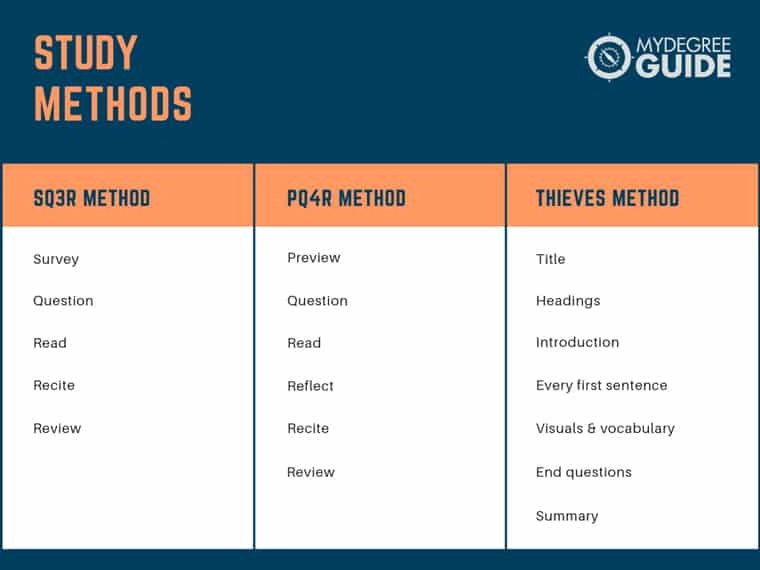
My hack for this? Talk out loud. Seriously. I’d take a term like “opportunity cost” and explain it like I was ranting to a friend. When you say it, you realize what you don’t really understand. It’s the Feynman technique without the pressure of being smart. I even recorded myself and listened while walking to school cringe at first, but it worked.
When it came to definitions or legal rules, I picked out 3-4 keywords per item. That way I could rebuild the full concept during exams. For instance, “negligence = duty, breach, harm, causation.” Boom. Essay ready.
I also read articles every morning real ones. Economic opinions, legal summaries, finance blogs. Those gave me real-life examples I could pull into essays. It impressed my teacher, and it made my writing feel less… robotic.
Students in these subjects can especially benefit from exploring productivity techniques tailored for academic life. Time blocking, daily review slots, and priority sorting turned essay prep from chaos into calm.
History and Literature
These subjects taught me that seeing the story matters. For history, I made timelines not just dates, but symbols, colors, even arrows connecting cause and effect. I printed photos of key figures. Yes, it looked like a 3rd-grade craft project but I remembered everything.
In literature, I grouped texts by themes: love, rebellion, justice. I wrote one paragraph summaries and pinned them above my desk. When exams came, I didn’t just remember the texts I knew where they fit into a bigger puzzle.
Also, aligning my note-taking to my personal learning style made a huge difference. As a visual-kinesthetic hybrid, I found that mapping out literature timelines and acting out historical events anchored ideas better than rereading them.
Language and Exam-Specific Tips
English Exam Prep
Studying English isn’t about reading more it’s about studying smarter. I split my time into five zones: grammar, vocab, listening, reading, writing. I used apps like BBC Learn English for grammar drills. For vocab, I wrote short stories using my new words. They were silly, but they stuck.
For listening, I used TED Talks and movies with subtitles. I’d pause and repeat what I heard. It trained my ear way faster than school audio tracks ever did.
I made a schedule that covered two skills per day. Monday: grammar + listening. Tuesday: vocab + writing. It kept my brain bouncing just enough.
Foreign Languages
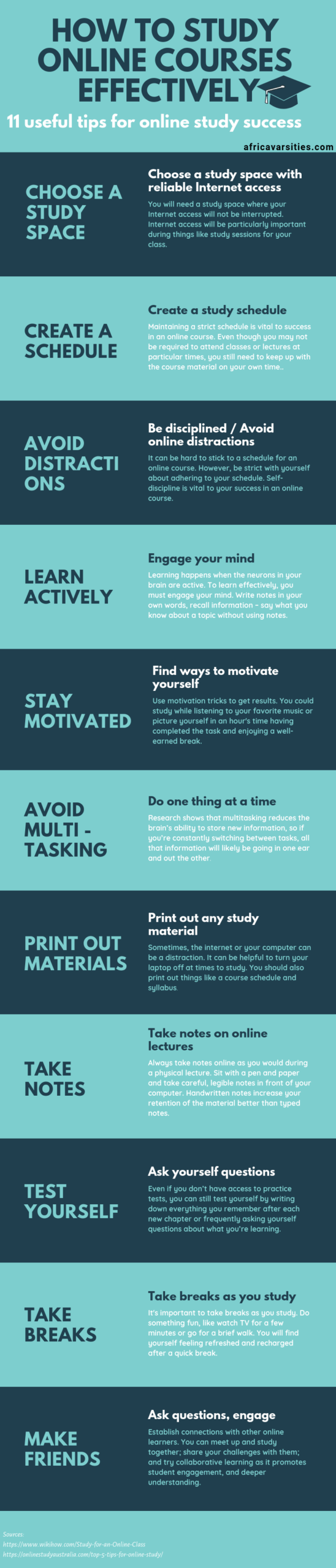
For French, Duolingo was fun but didn’t help me speak. What did help? I recorded myself. I’d pick five phrases and speak them into my phone. Then I’d play it back and cringe. Next day, I’d fix the awkward parts. I also found a language buddy online and we voice messaged every evening.
Flashcards helped me lock in grammar patterns. Not just vocab actual grammar. One side: “I would have gone.” Other side: “Je serais allé.” My deck grew fast. Repetition did the rest.
Language learning success really skyrocketed when I leaned into the right digital study tools. Between quiz apps, interactive audio, and progress-tracking platforms, I finally felt like I had structure and feedback that made the lessons stick.
Universal Study Strategies
Active Recall and Spaced Practice
This is the game-changer. You think you know something until you try to recall it with a blank page. That’s active recall. I used Anki flashcards daily. Not just for facts, but for questions like “Why does inflation hurt savings?”
Spacing my sessions was hard at first. I used to cram. But I set a schedule: one subject each morning, another at night. Then back again two days later. This spaced practice made everything stick deeper. Especially when I mixed up the topics.
| Study Method | Best For | Time Needed |
|---|---|---|
| Active Recall | Science, Economics, English Vocab | Short, frequent sessions |
| Spaced Practice | All subjects | Planned review over days/weeks |
| Feynman Technique | Legal Studies, Physics, Business | 15–30 min per topic |
Note-Taking & Visualization
I used to copy paragraphs word for word. Didn’t work. What did? Turning concepts into visuals. In biology, I created colored mind maps red for systems, blue for definitions, green for examples. Each map had a center node with ideas branching out. It made review easy and fast.
I also started using digital apps like Notion for note hierarchy. Bullet points with toggles let me hide info and test myself. And handwritten notes? I still kept them. Writing with pen helped lock things into memory, especially when drawing flowcharts or diagrams.
Study Balance & Productivity
Multi-Subject Study Plans
When I had to study three subjects in one day, I stopped doing them back-to-back. I’d go from physics to English. That switch from numbers to words gave my brain a reset. Then I’d do a light review of history before bed. That subject-rotation worked way better than sticking with one thing all day.
Before exams, I listed key learning goals per subject. Not every topic just the ones most likely to show up. Teachers usually hint. I highlighted those and tackled them first. I called it “hot zone review.”
This rotation strategy also pairs well with time management techniques like daily time blocks and week-by-week breakdowns that make multi-subject prep feel less overwhelming.
Physical and Mental Preparation
I didn’t believe this until I crashed before an econ exam sleep, food, breaks matter more than energy drinks. I started studying in 25-minute blocks with 5-minute breaks (Pomodoro). After four blocks, I’d take a longer pause. My focus got sharper, and I didn’t feel drained after an hour.
Before big tests, I shut down devices 30 minutes early and prepped my materials. I even had a playlist of low-fi beats. Simple things like clean space, snacks nearby, and no notifications kept me steady. Mental calm is part of studying too.
FAQ
What is the best way to study for multiple subjects at once?
Alternate subject types one logic-heavy (like math), one reading-based (like history). Focus on one or two learning goals per subject per day. Use color-coded notes and a rotating schedule to keep your brain fresh.
How can I remember complex formulas in physics?
Group formulas by topic, then write each on a flashcard with a real-life example. Create a visual cheat sheet with labels. Practice using them in varied problems not just identical ones. Say them aloud like you’re teaching them.
Are flashcards effective for legal studies?
Yes, if done right. Use them for keywords, case names, and definitions. But don’t just memorize practice writing answers using those cards. Mix in real-world case examples to connect theory to application.
Recap of Key Points
Subject-specific strategies helped me stop wasting time. Science and math clicked once I focused on understanding concepts, not just repeating them. Humanities and business got easier when I talked them out and tied them to real examples. Languages improved with structured skills and speaking practice. And general tools like active recall, spaced repetition, and study blocks made it all stick longer.
Final Takeaway
You don’t need to study harder. You need to study right. That means respecting how each subject works, building habits that match, and listening to what your brain needs rest, space, and movement.
I’ve failed, reworked, and reshaped how I study for years. These aren’t just “study hacks.” They’re the reason I learned to love learning again. And I believe they can help you do the same. No gimmicks just what actually works, when you put in the time, the way your brain wants it.