
Overcoming Procrastination with Proven Time Management Tricks

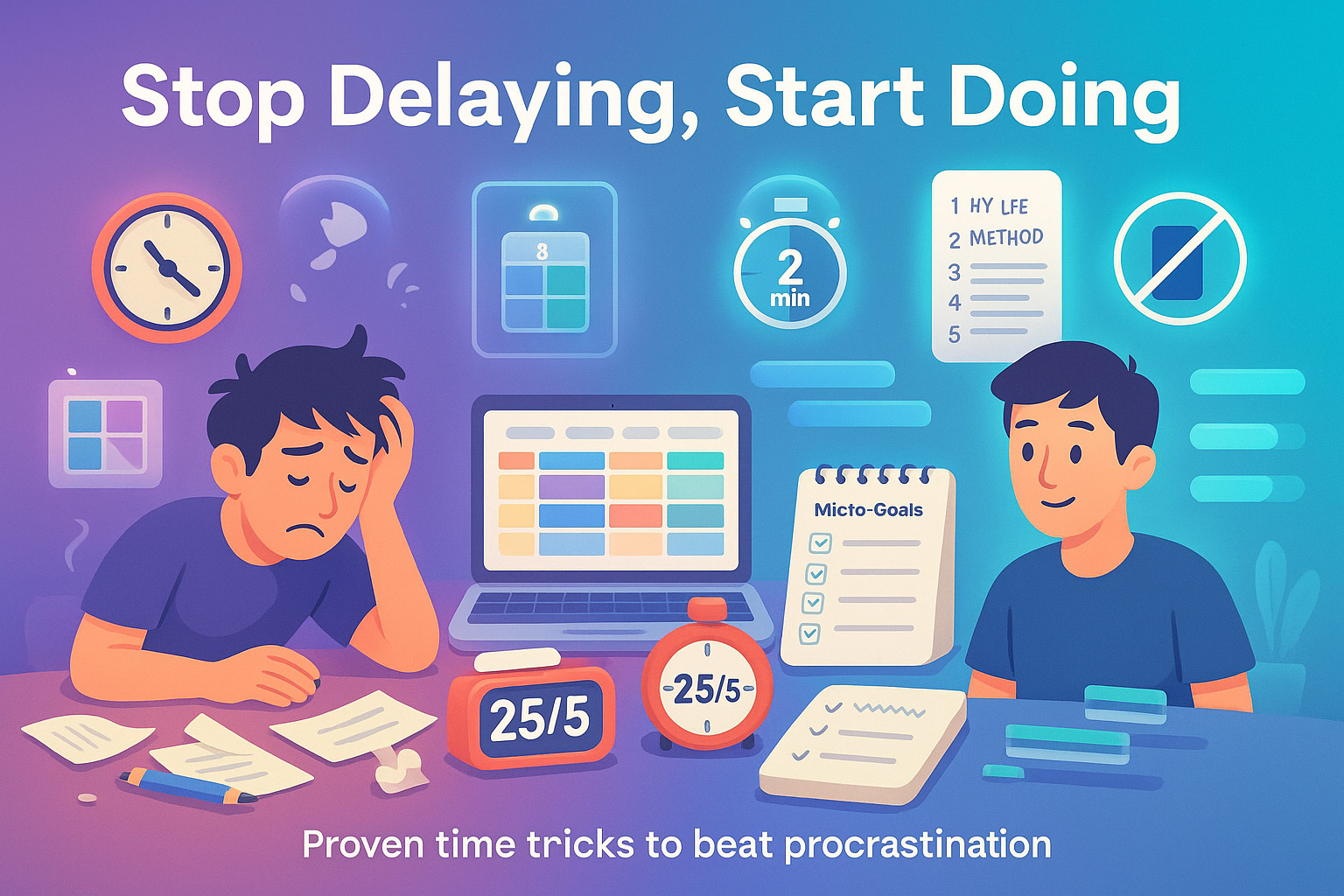
I’ve wrestled with procrastination for as long as I can remember. It’s like this invisible weight that sits on your shoulders whispering, “You can do it later.” But the truth is, later rarely comes. I’d find myself scrambling at 1 AM trying to finish things I’d known about for days. Sound familiar?
That pattern didn’t change until I stopped blaming laziness and started getting honest about my habits. I wasn’t lazy,I was overwhelmed. So I started learning time tricks. Not hacks, not shortcuts, but tools that actually helped me stop avoiding and start doing.
These techniques changed how I work, think, and even rest. And I promise you, if you’ve got a to-do list that feels like a monster, these will help:
- Breaking down big, scary tasks into micro-goals
- Using the Pomodoro technique (it’s more powerful than it sounds)
- Timeboxing your calendar instead of just listing stuff
- Matching the right tasks to your energy levels
- Building routines that actually motivate you
This isn’t about discipline or self-control. It’s about building a system where procrastination has no room to grow.
Understanding Procrastination
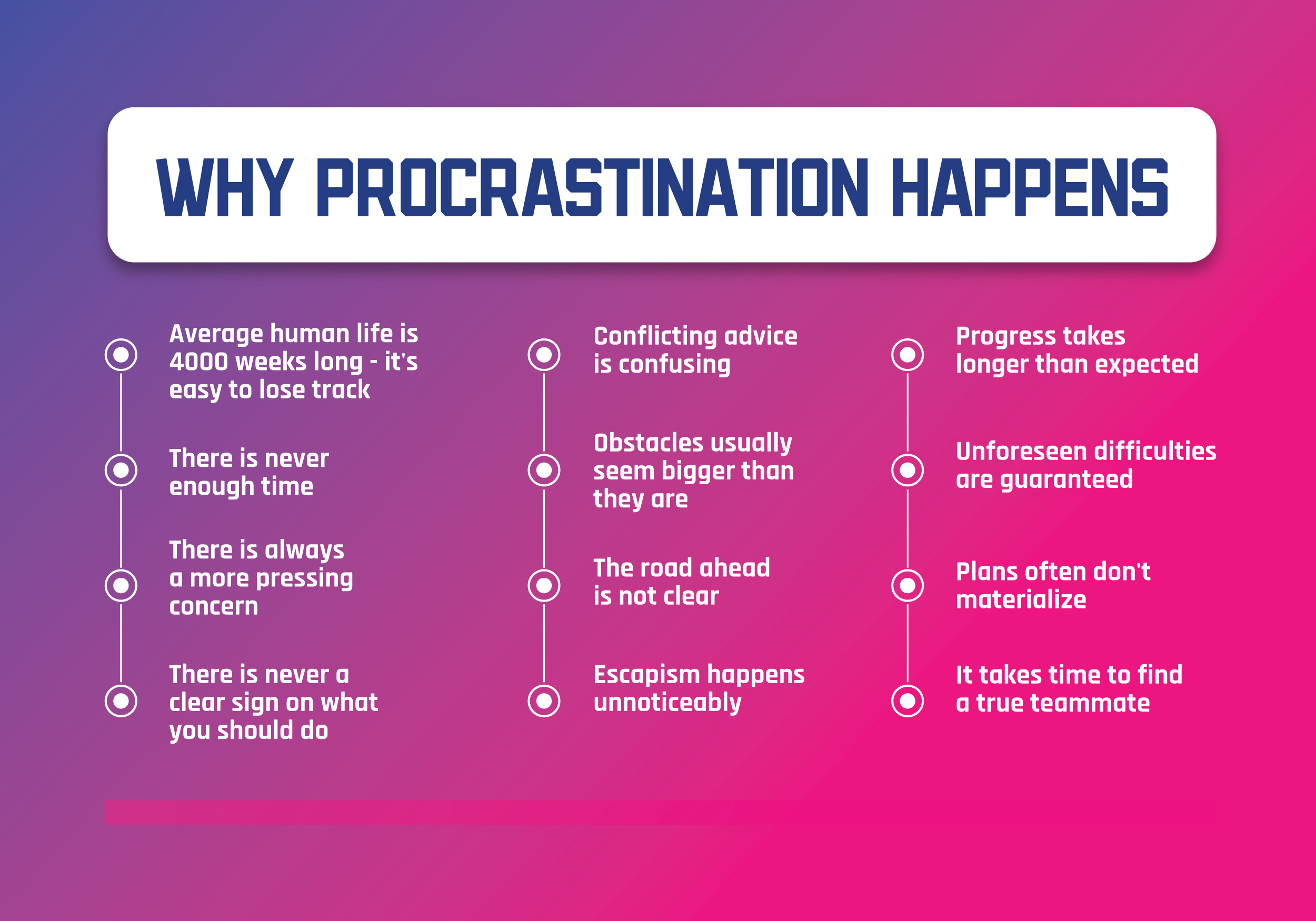
If you think procrastination is just poor time management, you’re only seeing the surface. For me, it was emotional. Fear of failing. Fear of starting. Even fear of finishing. And sometimes, it was just plain mental exhaustion from trying to be perfect.
The Psychology Behind Delaying Tasks
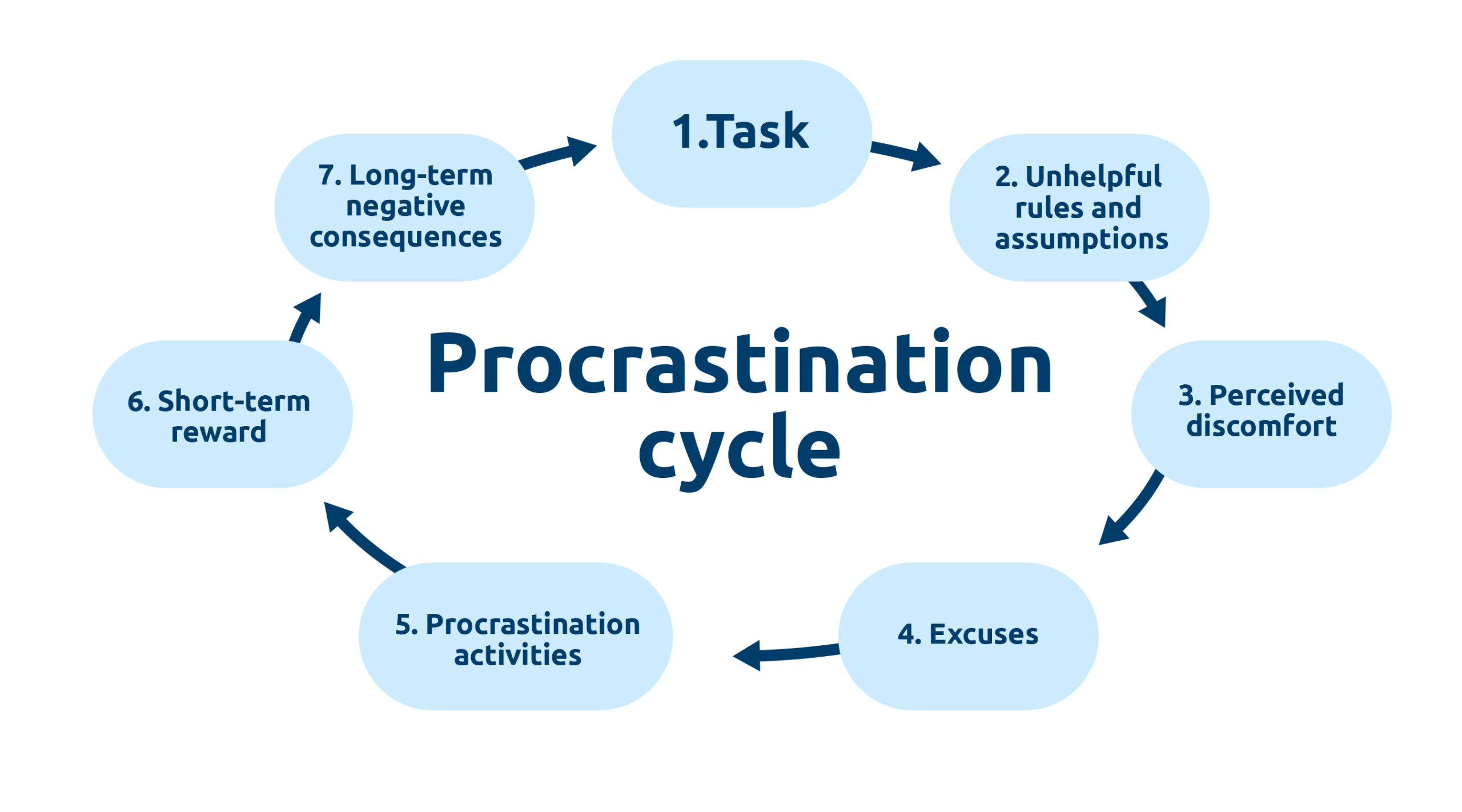
Most of us aren’t lazy,we’re avoiding discomfort. That discomfort could be anxiety, self-doubt, confusion. Procrastination, in many cases, is a kind of mood repair. We avoid the task and do something “easier” to feel better for a moment. But then guilt kicks in.
People delay tasks not because they’re disorganized, but because they don’t know how to handle the uncomfortable emotions linked to those tasks.
That’s why it’s helpful to build healthier systems early. For instance, combining emotional awareness with study environment optimization can help reduce distractions and mental clutter that often feed procrastination.
Essential Time Tricks to Overcome Procrastination
These tools work because they reduce friction. They make it easier to start and harder to avoid. I’ve tried them all, and here’s what stuck.
Timeboxing & Scheduling
Timeboxing changed everything. Instead of writing “Write blog post” on a list, I’d block off 3 PM to 4 PM to do it. Just one hour. I treated it like a meeting with myself. No rescheduling. That shift from “task list” to “calendar event” made it real. Tangible.
Best part? You start seeing your limits. You stop saying “I’ll just squeeze it in later” because you know your time has a shape now.
For a step-by-step framework on building structure into your day, check out Time Management for Students.
Using the Pomodoro Technique
The Pomodoro method works because it respects your brain’s rhythm. You work for 25 minutes, then break for 5. Four cycles, then take a long break. It trains you to focus without burning out.
I use it every time I feel resistance. “Just 25 minutes,” I tell myself. And once I start, it usually snowballs into more. It’s like a trick, but one your brain appreciates.
Make Tasks Easy to Start
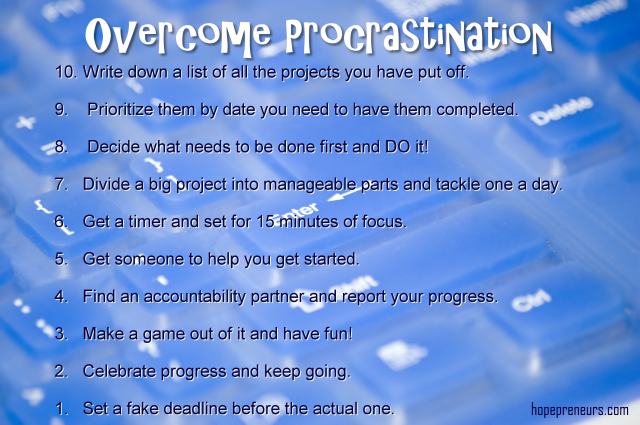
Ever tried the “2-Minute Rule”? If it takes under two minutes, do it now. If it’s big, just start the first two minutes. That’s it. This rule helped me finish a backlog of 300+ emails in a week.
But even more powerful was breaking things into micro-steps. “Write article” became “Open Google Docs” → “Write title” → “Write first line.” I made progress feel like progress.
Breaking tasks down into smaller actions also aligns well with note-taking strategies that help students absorb and organize information in manageable pieces,making even studying feel less daunting.
Advanced Strategies to Maintain Momentum
Once you’ve learned how to start, the next battle is staying in motion. That’s where structure matters even more than willpower.
Prioritization Frameworks
I use the Ivy Lee Method at the end of every workday. I write down 6 tasks for tomorrow, rank them, and start with the first one,no matter what. It cuts through mental clutter like a hot knife through butter.
The Eisenhower Matrix helps when I feel like everything is “urgent.” I ask: Is it urgent AND important? If not, maybe it can wait, delegate, or disappear.
Aligning Tasks with Your Energy
We all have hours when we’re sharper. For me, it’s 8 AM to 11 AM. That’s when I tackle deep, creative work. After lunch, I shift to admin or emails. No guilt, no forcing it.
A useful complement to this approach is learning your personal learning style so you can align high-energy tasks with how your brain works best.
Tools and Apps to Keep You on Track
I swear by a combo of Google Calendar, Todoist, and Forest. Forest helps me stay off my phone. It plants a little tree every time I focus,if I touch my phone, the tree dies. I don’t know why it works, but it does.
Use tech as a partner, not a distraction. Set up reminders, use timers, color-code your calendar. Make your system visual and tactile so your brain can engage with it.
Adding Motivation Through Temptation Bundling
Temptation bundling is pairing something you need to do with something you love. Like listening to podcasts while doing admin work. It’s a surprisingly powerful tactic.
This pairs perfectly with digital study tools that integrate rewards, visuals, and notifications to keep you engaged and focused.
FAQ
What is the easiest time trick to start with?
The 2-Minute Rule. Just tell yourself, “I’ll do two minutes of this.” It’s low pressure, but high impact. You’ll often go longer without trying.
Does Pomodoro work for everyone?
It works for most, but not all. Some folks find the timer stressful. If that’s you, try adjusting the intervals. Maybe 40/10 feels better. Customize it to fit, not force.
How long does it take to break the procrastination habit?
It depends. But what matters more is building systems. Habits form over weeks. But relief can come from a single good day. Focus on today’s wins. Momentum follows.
| Time Trick | Best For | Biggest Benefit |
|---|---|---|
| Pomodoro | Staying focused in short bursts | Boosts attention, reduces burnout |
| Timeboxing | Scheduling & committing to tasks | Creates structure, eliminates guesswork |
| 2-Minute Rule | Getting started when you feel stuck | Breaks resistance barrier |
| Ivy Lee Method | Prioritizing your daily goals | Reduces overwhelm, boosts clarity |
Blending Time Tricks for Maximum Effect
Here’s what no one tells you,you don’t have to pick just one method. When I combined timeboxing with the Pomodoro technique, I found my sweet spot. I’d block 9 AM to 11 AM for writing, then fill it with four Pomodoros. That tiny shift turned my mornings into my most productive hours.
You can also blend the Ivy Lee Method with timeboxing. Write down your top 6 tasks at night, then assign each to a time slot in the morning. You wake up with a game plan instead of panic. That combo is how I finished three months’ worth of blog drafts in four weeks.
And don’t be afraid to tweak things. The best system is the one that fits your life,not someone else’s routine copied off the internet.
Adding Motivation Through Temptation Bundling
This one surprised me. I started listening to my favorite true crime podcasts,but only while folding laundry or doing slow admin work. Suddenly, those boring tasks didn’t feel so draining. That’s called temptation bundling: pairing something you should do with something you want to do.
James Clear talks about it here. It’s a psychological trick, but it works because it makes the “should” more rewarding. You start to look forward to it instead of dreading it.
EEAT in Real Life
Let’s talk trust. One of the best ways to know what works is hearing from folks who’ve walked the walk. Productivity expert James Clear built his reputation on showing how small habits lead to big changes. I started with his “2-Minute Rule,” and now it’s part of every workshop I teach.
Apps like Forest and Todoist have received thousands of user reviews not because they’re trendy,but because they help. Try them, read others’ reviews, and adjust based on what speaks to you. That’s how trust builds,not just with tech, but with yourself too.
There’s also something about hearing how others failed. I once tried batching every single task into Monday,total disaster. My energy couldn’t handle it. So I learned to spread my load. That experience is as valuable as any success story because it taught me what not to do.
External Resources You’ll Find Useful
- James Clear on the 2-Minute Rule
- Use Notion for task organization
- Todoist for to-do lists and prioritization
- Focus Keeper app for Pomodoro
- Google Calendar for timeboxing
Recap and Final Thoughts
Procrastination isn’t a character flaw. It’s a signal. A sign you need structure, not shame. If you’ve made it this far, you now have a whole toolbox at your disposal,tools that reduce resistance, boost clarity, and honor your energy.
You’ve seen how timeboxing gives your tasks shape. How the Pomodoro technique trains your focus. How prioritization methods like Ivy Lee and Eisenhower cut through the noise. And how blending tricks like temptation bundling or 2-minute starters actually get you moving.
The truth? Beating procrastination isn’t about willpower. It’s about building an environment where action is easier than avoidance.
So pick one trick. Just one. Try it today. Not later. And tomorrow, build on that. Tiny changes turn into big transformations, but they always start with a single, imperfect step.