
Managing Time During Finals Week: What Actually Works

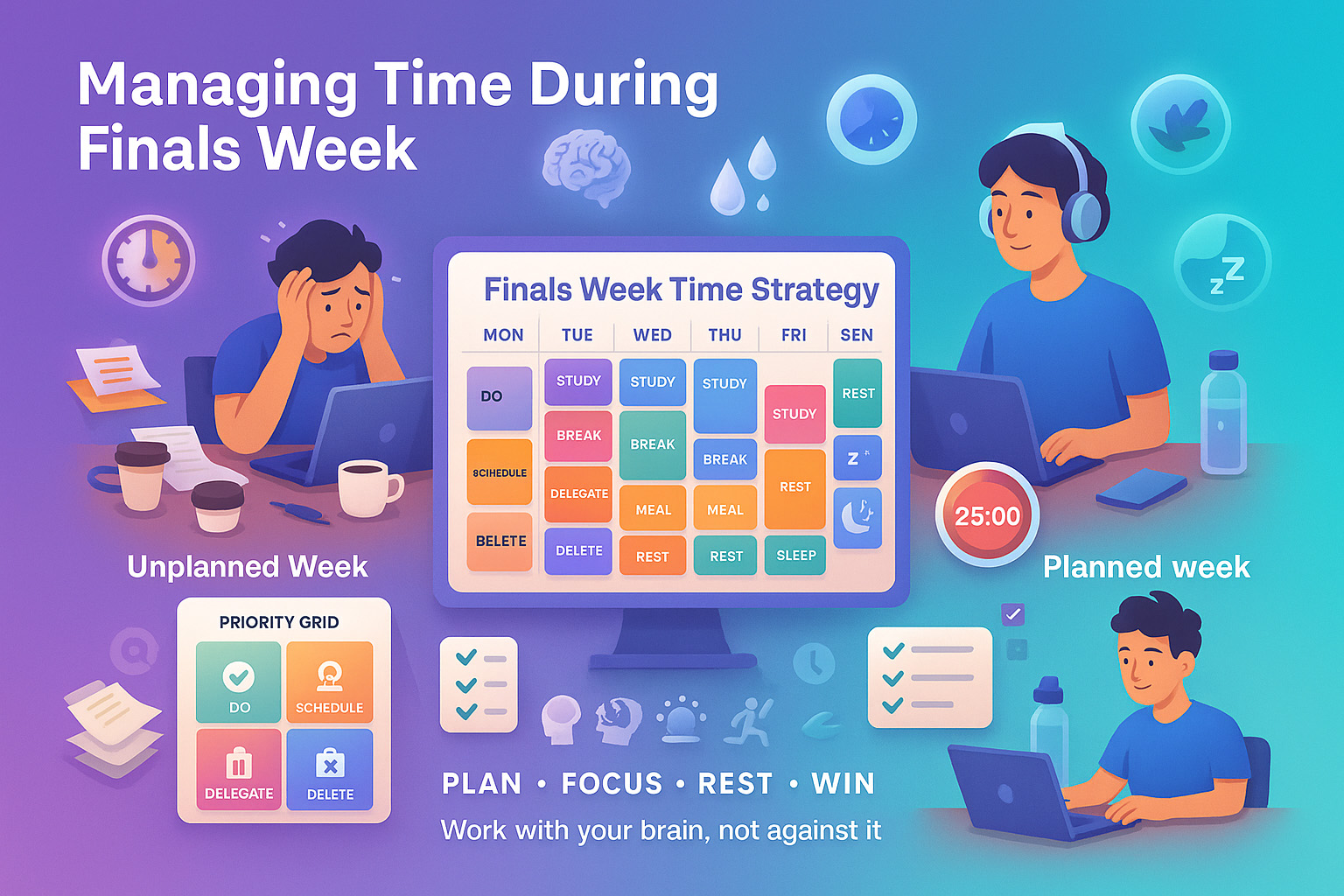
I used to be the person who’d wait till the last second to open my books. Sound familiar? Finals week would sneak up, and suddenly it’s caffeine, all-nighters, and a backpack full of regrets. But things changed the semester I finally sat down and built an actual plan. Guess what? I didn’t just survive finals I crushed them.
It’s not about “studying harder” it’s about studying smarter. Finals week isn’t just an exam marathon, it’s an energy game. And without a grip on your time, you’ll burn out fast.
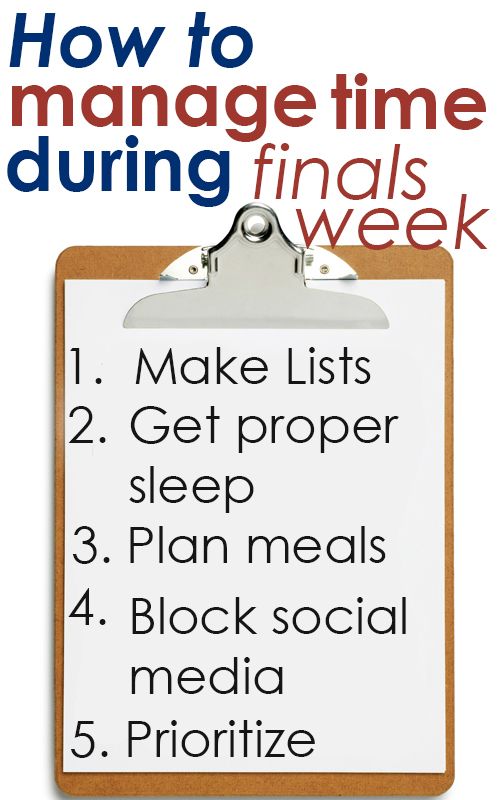
Here’s what helped me take control of my schedule:
- Breaking big tasks into focused blocks
- Learning how to prioritize (even when everything feels urgent)
- Using simple tools like a calendar or a printed priority grid
- Staying accountable with my own health and energy
By the end of this article, you’ll know how to build a personalized time strategy that keeps you calm, focused, and ready without giving up your sanity. This isn’t about hacks. It’s about getting through finals with your head held high.
Now’s the time to explore time management for students so you can design a schedule that works with your brain, not against it.
How to Build a Finals Week Game Plan That Works
Start with a Full Overview of Your Finals
You can’t manage time if you don’t know what you’re working with. The first thing I always do? Write down every deadline, test, paper, and presentation with the date, time, and weight on my grade. You’d be surprised how many folks skip this and then panic halfway through the week.
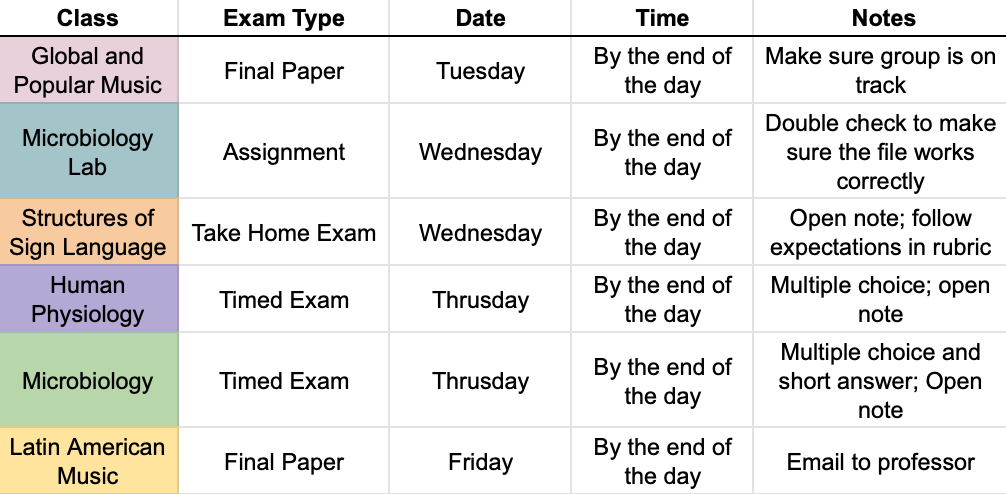
I color-code mine: red for hard, yellow for medium, green for quick wins. It’s such a small thing but man, it helps me see where my stress is coming from. Bonus: I can start shifting my energy early, instead of scrambling the night before.
Use Priority Grids to Focus on What Matters Most
This trick came from a time-management workshop I almost didn’t go to. They introduced the Eisenhower Matrix also called a priority grid. Total game changer.
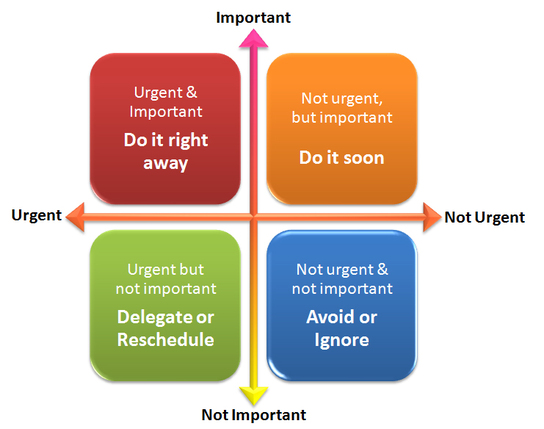
It divides your tasks into four groups:
- Urgent and important (do these right away)
- Important but not urgent (schedule them)
- Urgent but not important (delegate or batch if possible)
- Neither (ditch it it’s just noise)
When I first tried this, I realized I was spending way too much time on quick “check the box” tasks instead of deep study. After I adjusted, I was doing less but getting more out of it.
Time Blocking Beats To-Do Lists Every Time
To-do lists are fine, but they can turn into a black hole. I switched to time blocking using Google Calendar and it’s been my anchor during finals ever since. Here’s how:
I set 2-3 hour blocks per subject, with 10-minute breaks between. I label everything study sessions, meals, breaks, even my “scroll TikTok guilt-free” time. Why? Because it gives me permission to rest. You’d be surprised how powerful that is.
It’s the same core principle behind time blocking techniques that work year-round not just in finals season.
Stop Multitasking. Focus. Finish. Then Move On.
Multitasking Is a Trap Here’s What to Do Instead
Trying to study while checking your phone is like pouring water into a leaky bucket. You might feel busy, but you’re not getting anywhere. I started using the Pomodoro technique: 25 minutes focused work, 5 minutes off. It helps my brain stay sharp without burning out.
After four “Pomodoros,” I take a 20-minute break. Go outside. Stretch. Anything but screens. This pattern gave me way more stamina than marathon study nights ever did.
Batch Similar Tasks Together to Conserve Mental Energy
I used to jump between physics, history, and French in one evening. That didn’t go well. Now I group similar tasks together. For example, I’ll review all vocabulary flashcards in one sitting. Then I’ll write all my short answers for multiple classes back to back. My brain stays in the same mode and I get way more done without feeling drained.
Put Your Phone in Another Room Seriously
This one’s gonna sting, but trust me. Even if it’s face down, your phone is still whispering to your brain. I literally leave it in a different room during my deep work blocks. If that’s too much, try using an app like Forest or Focus Keeper. It locks distractions while growing a little digital tree. Weirdly satisfying.
Stay Flexible Because Life Doesn’t Stick to a Plan
Build Buffer Time Into Your Schedule
No matter how good your plan is, something will go wrong. A study block runs over. A group project falls apart. Life happens. I always leave a couple open chunks each day for “whatever needs fixing.” If I don’t use it? Free time. If I do? I’m not falling behind. It’s the safety net that keeps me chill.
Be Ready to Shift Priorities on the Fly
One year, my chemistry final was way harder than expected. I had to shift study time away from another class and that was okay. Your schedule is not set in stone. It’s a tool, not a prison. I keep a dry erase calendar on my wall and update it every evening. That way I know what’s real right now, not just what I thought two days ago.
Stay Kind to Yourself Progress, Not Perfection
This is the part no one talks about. Finals week is stressful. Some days I don’t hit all my goals. I feel tired, anxious, behind. That’s normal. But every time I treat myself with some grace and reset instead of beating myself up I get back on track way faster. You can be productive and gentle with yourself.
| Study Technique | How It Helps | Best For |
|---|---|---|
| Pomodoro | Keeps energy fresh with short sprints | People who get distracted easily |
| Time Blocking | Structures your day with clear focus slots | Anyone juggling multiple exams |
| Priority Grids | Helps choose what’s actually worth your time | Students feeling overwhelmed by everything |
Make Your Study Time Stick with Better Retention
Why Active Recall Beats Passive Reading
I used to think reading my notes over and over was enough. Spoiler: it wasn’t. What finally worked was active recall. It means closing your notes and trying to pull the info from memory. I use flashcards, quiz apps like Anki, or even just a blank page and a pen.
When I teach a topic to myself out loud, I realize real quick what I don’t understand yet. It’s uncomfortable but super effective. I’ve remembered way more by struggling to recall than by re-reading stuff on autopilot.
If you’re struggling to keep study sessions productive, you can combine these memory tactics with the 80/20 rule students to focus only on the material that moves the needle.
Spaced Repetition Is How You Lock It In Long-Term
Let me ask: have you ever crammed for an exam, aced it, and then forgotten everything two days later? That’s what happens when you don’t space out your study. I started using a calendar to plan review sessions for each subject 3–4 days apart. That tiny gap helps my brain store the info deeper instead of just dumping it after the test.
My trick? Every time I study something, I add the “next review” date to my calendar usually 2-3 days out. Then again a week later. After that, it usually sticks.
Use Past Exams and Practice Questions
This is honestly one of the biggest boosts to my grades. I ask professors for old exams or dig through course forums. Even if the questions change, seeing the style helps so much. You start to recognize what teachers really care about. That way, you’re not just memorizing random facts you’re learning to think like the test.
Fuel Your Brain Because Burnout Is Real
Sleep Is Non-Negotiable
I get it. Finals week makes sleep feel optional. But pulling all-nighters destroyed me every time. When I finally prioritized 7 hours even if I had to cut study time my brain worked better. I could focus, stay calm, and actually remember what I studied.
Now I shut my books by 11pm, no matter what. I sleep with earplugs and use a white noise app so I’m not waking up every hour. If I have an early final? I lay out my clothes, ID, and water bottle the night before so I can coast through the morning.
Eat Brain-Boosting Meals (Not Just Sugar and Caffeine)
My finals diet used to be energy drinks and instant noodles. Not cute. Now I prep easy stuff: peanut butter on apples, hard-boiled eggs, rice and tuna bowls. It’s not gourmet, but it keeps my brain fueled. I avoid heavy greasy meals they make me sleepy. And I drink a ton of water. Dehydration = sluggish thinking.
Move Your Body Even Just a Bit
I’m not saying hit the gym for an hour. But taking a 10-minute walk outside clears my head better than scrolling Instagram. On days I skip movement, I’m more stressed and foggy. Some of my favorite review sessions? Walking with a friend and quizzing each other. We got fresh air and studied. Win-win.
What to Do the Night Before and Morning Of
Review Don’t Cram
The night before, I only look at my summary notes. No new material. Just light review, maybe teach a few things out loud. I lay out my supplies, double-check the exam location, and give myself permission to stop by 10pm. My goal isn’t to squeeze out every last fact it’s to walk in clear-headed.
Show Up Early and Breathe
I aim to be at the exam 15–20 minutes early. No rushing, no adrenaline panic. I sit somewhere quiet, drink some water, and do a few box-breaths (inhale 4 sec, hold 4 sec, exhale 4 sec, hold 4 sec). My hands stop shaking. My brain slows down. Then when the test hits I’m steady.
Trust What You’ve Built
At this point, your plan did the heavy lifting. You’ve been preparing for days. You’ve got this. I remind myself: no exam defines me. I’ve already won by showing up prepared and calm. That mindset is what changed everything for me.
FAQs About Managing Time During Finals
What’s the best time of day to study?
Totally depends on you. I’m a night owl, but I learned that early mornings are best for reviewing dense material because my brain’s fresh. Afternoons are great for tasks like flashcards or group reviews. Track when you feel most alert and build around that.
How many hours should I study per day during finals week?
Quality beats quantity. I do 4–6 hours max, broken into blocks with long breaks. Anything more and I burn out. If you’re focused, 3 good hours beats 8 hours of distracted studying.
What if I fall behind on my study schedule?
It’s okay. Rip up the old schedule and make a new one. Start with your highest-weighted exams and work backward. Don’t waste energy feeling guilty just focus on what you can do next.
Should I pull an all-nighter if I’m not ready?
Nope. Sleep helps consolidate memory. Studying all night might help you feel prepared, but you’ll likely forget half by morning. Even 5–6 hours of rest will help more than cramming through the night.
Any tools you recommend?
Yep. Google Calendar for time blocking. Anki for spaced repetition flashcards. Forest app to stay off my phone. And a simple printable priority grid for visual thinkers. Keep it analog if tech distracts you.
Your Finals Week Doesn’t Have to Break You
We covered a lot: planning your schedule, using tools like priority grids and Pomodoros, staying focused with time blocks, keeping your body in the game, and walking into test day with confidence.
The key? Work with your brain, not against it. You don’t need to be perfect. You just need a plan that keeps you grounded when everything else feels chaotic.
So take a breath. Trust your system. And remember finals week is just a season. You’ve made it through before, and you will again.