
Weekend Time Management Strategies for a Balanced Life

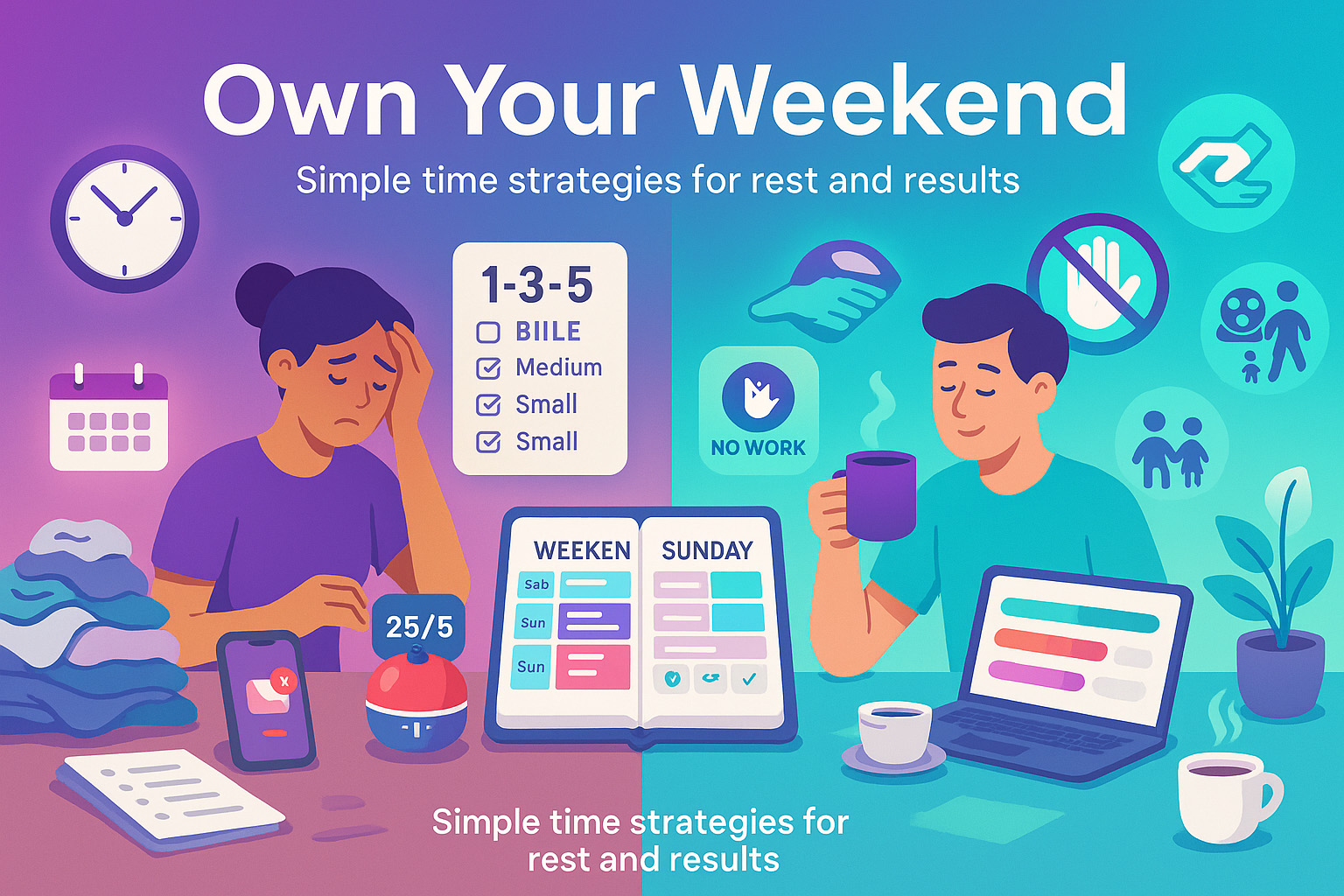
There was a time when my weekends felt like quicksand. I’d blink, and suddenly, Sunday night anxiety crept in,laundry half done, errands untouched, zero rest. Sound familiar? It’s not just you. Most of us sprint through the week only to crash into an unplanned, chaotic weekend. Then we wonder why Monday feels like a truck hit us.
What’s missing isn’t motivation,it’s structure. And no, structure doesn’t mean turning your weekend into a to-do list marathon. It means building just enough rhythm so you can relax and knock out what matters,without guilt.
So, I started researching and testing simple systems. I dug into what experts suggested, cross-checked it with my energy patterns, and tweaked the heck out of it until something clicked.
- Why your weekend habits are hurting your weekday momentum
- Simple time techniques that actually feel natural on weekends
- How to schedule chores without losing your Sunday soul
- What the 1-3-5 Rule and Time Blocking look like IRL
- Where people mess up with weekend routines,and how to fix it
This guide is the roadmap I wish I’d had years ago. It’s grounded in proven methods and backed by experience,not fluff. Let’s give your weekends purpose, without stealing the joy from them.
Why Weekend Time Management Matters
Common Pitfalls of Unstructured Weekends
I used to wake up Saturday and just… wing it. Bad idea. Here’s the thing,without a soft plan, you’re way more likely to:
- Waste hours scrolling through your phone
- Miss key errands or responsibilities
- Feel more drained than rested
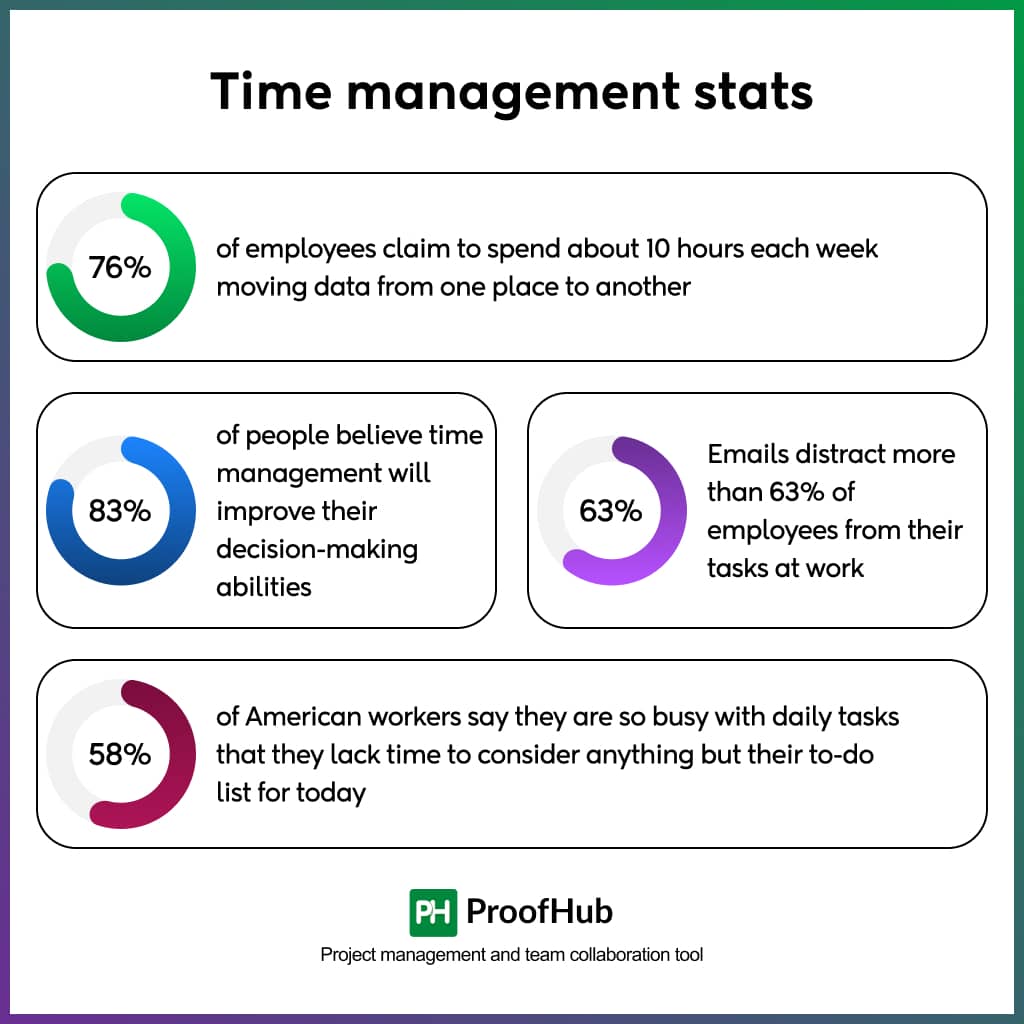
According to ProofHub, 67% of professionals say they don’t feel recharged on Monday mornings. A lot of that starts with how we manage our weekends,or don’t.
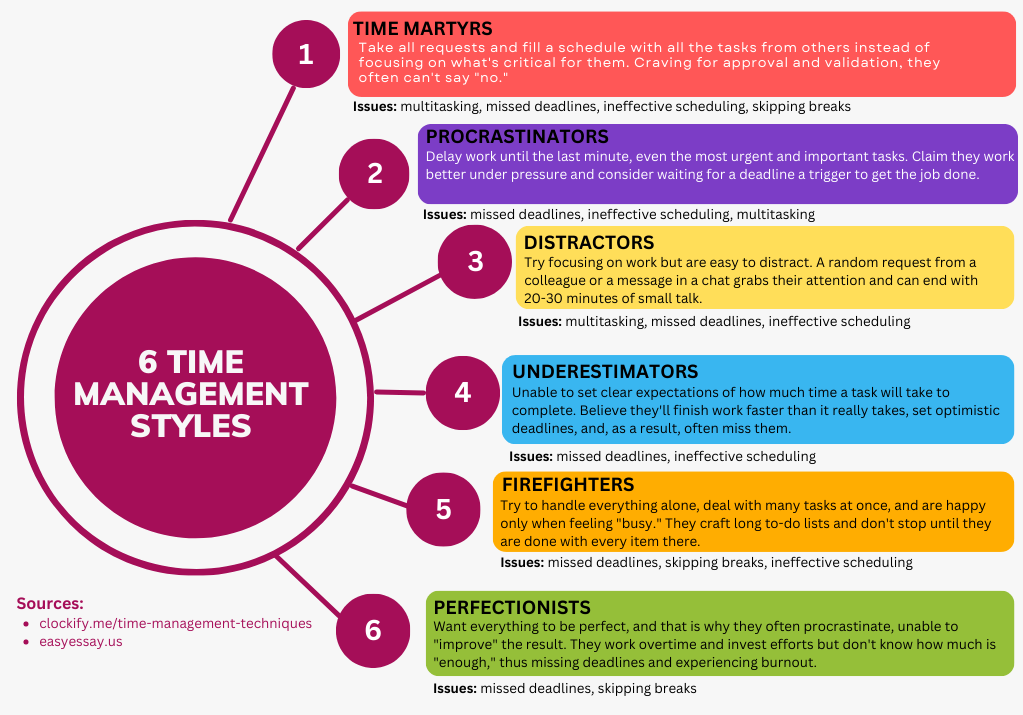
Psychological and Physical Benefits of Planning
Ever notice how good it feels to cross something off your list? That’s dopamine. Planning out just a few things releases mental clutter, and you’re less likely to spiral into decision fatigue. Also, scheduling in downtime makes rest feel earned,not lazy. You go into the week lighter. More grounded. I swear, it’s like emotional exfoliation.
Time Management Techniques for the Weekend
The 1-3-5 Rule: Simplify Your To-Do List
This rule changed my life. It goes like this: 1 big task, 3 medium ones, 5 small ones. That’s it. No more overstuffed task lists. You start with something big like “deep clean the kitchen,” then follow it up with medium stuff like “meal prep” or “finish a book chapter.” Small tasks? Think laundry, call mom, sweep the porch.
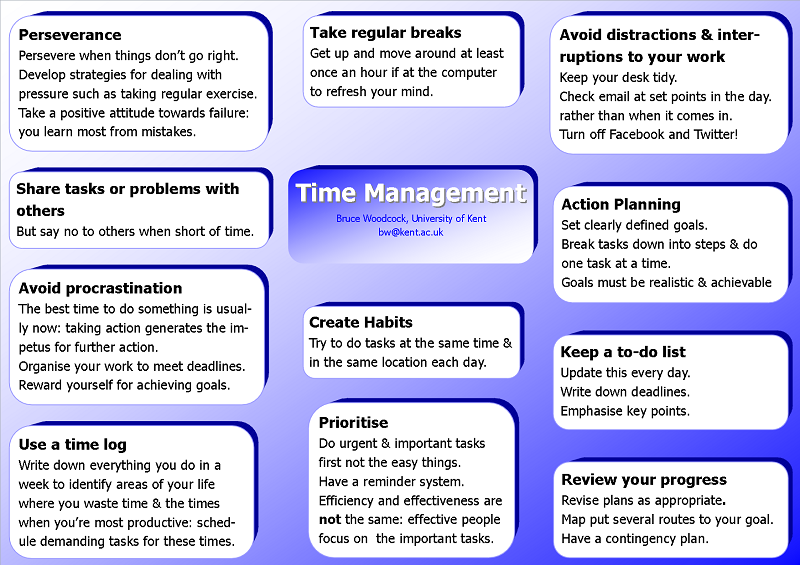
Using this rule helps you not feel like a failure when you “only” complete a few things. It’s designed to match human energy,because we’re not robots.
Time Blocking for Personal and Family Life
Time blocking is my go-to for weekends with a lot of moving parts. I set blocks for errands, family time, and even naps (yup, naps have a block). Here’s an example of what my Saturday might look like:
| Time | Activity |
|---|---|
| 8:00 – 9:30 AM | Deep cleaning + laundry |
| 9:30 – 10:00 AM | Coffee + scroll guilt-free |
| 10:00 – 12:00 PM | Grocery run |
| 12:00 – 2:00 PM | Family lunch + relax |
| 2:00 – 4:00 PM | Hobby or creative project |
To bridge the concept, you might enjoy exploring Time Blocking for Students. It’s slightly adapted for weekend rhythms but offers excellent guidance on carving out focused, balanced blocks.
Using the Pomodoro Technique for Deep Focus
So I used to hate starting big weekend tasks. Then I tried Pomodoro: 25 minutes focused work, 5 minutes break. After 4 rounds, you rest longer. It’s so good for cleaning bursts or writing. I use it when I want to get chores done but keep my sanity.
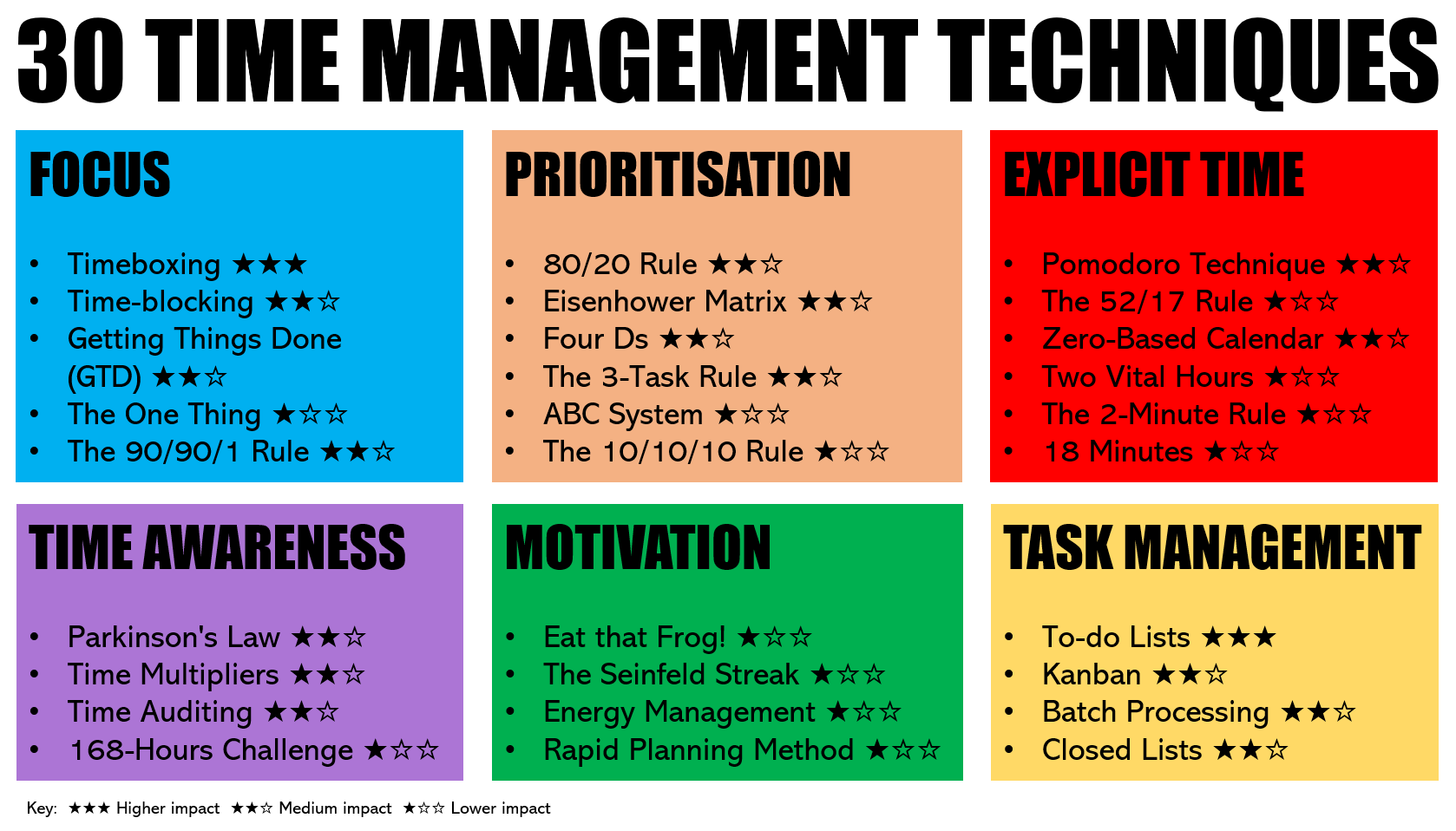
Bonus tip: I put on a timer app that dings. It’s lowkey satisfying. Like, “boom, round done.” Even better? My kids respect it. If I’m in a Pomodoro, they wait. Magic.
Designing a Personalized Weekend Plan
Identify Your Most Productive Hours
I’m a morning person. You might not be. That’s fine. The trick is figuring out your energy curve. For me, 8–11 AM is go-time. That’s when I do stuff that needs focus. After 3 PM? I need snacks and vibes. So I leave light tasks like folding laundry or journaling for later.
Track your mood and output for one weekend. You’ll see patterns. Then schedule your biggest tasks where your brain is on.
Include Personal and Leisure Time
This is the part most folks skip. Listen,your brain needs idle moments. I plan movie nights, solo walks, and yes, time for hobbies (I crochet and badly, but it counts). This is when your nervous system resets. Without this, Monday’s a slog.
Also, if you’re caring for others (kids, parents, partners), give yourself 60 minutes that are just yours. You’re not selfish,you’re functional.
Be Flexible and Adapt to the Unexpected
Life happens. Kids get sick. You sleep in. Your friend invites you for spontaneous bánh mì and coffee. Cool. A good plan flexes. I leave 1–2 blocks totally blank. It’s my wild card. If nothing happens, I use it to read. If something comes up, I roll with it. Guilt-free.
Weekend Time Optimization Tips
Delegate or Outsource Low-Impact Tasks
I used to think I had to do it all. Clean the house, grocery shop, wash the car, meal prep,every weekend. I was always fried by Sunday night. One weekend, I finally caved and tried a local laundry service. Game changer. I got back two hours of my life and felt like a queen.
If it’s something you can pay for and it’s draining your time, delegate it. Some apps now let you hire help for one-off chores,errands, cleaning, organizing. If you’ve got roommates or family at home, divide things fairly. I sat down with my kids and asked what tasks they’d choose to own. Turns out they love unloading the dishwasher. Who knew?
Limit Distractions and Digital Overuse
We all lose hours to social media. One study found people spend an average of over 2 hours a day just scrolling. Multiply that over a weekend? Ouch.
What helped me: I moved all my social apps into a folder labeled “Waste Time?” and turned off notifications. Not forever,just on weekends. Instead, I put a post-it on the fridge with 3 screen-free options: stretch, walk, doodle. It’s weirdly effective. Try it. You’ll end the weekend feeling like you lived it,not watched others live theirs.
Set Work-Life Boundaries
If you’re anything like me, you’ve worked “just a little” on weekends. That “little” snowballs. Suddenly it’s 4 PM Sunday and you’ve written five emails but haven’t eaten lunch.
So I set a rule: no work past 2 PM on Saturday and none at all on Sunday. I log out of my inbox. I leave my work phone in a drawer. That boundary took months to enforce with myself,but now it’s sacred. Protecting your time is an act of self-respect.
FAQ
What is the best way to plan my weekend?
Start small. Pick 1 or 2 priorities for each day and time-block those first. Then layer in rest, social stuff, errands. Use the 1-3-5 Rule to keep your list focused. Don’t try to over-optimize. Your weekend isn’t a spreadsheet,it’s a flow.
How can I balance rest and work on weekends?
Separate them in your schedule. Assign work time blocks and rest time blocks. Don’t multitask between the two. Rest isn’t lazy,it’s fuel. Make it a non-negotiable part of your routine.
Should I work on the weekend or fully rest?
That depends on your season of life. Sometimes, you’ve gotta catch up. But if you’re working every weekend, something’s off. Aim to protect at least one full day for rest. Use Saturday mornings to clear the deck, then protect Sunday like your peace depends on it,because it does.
Recap of Key Points
Weekends aren’t just a pause,they’re a reset button. We covered how unstructured weekends drain you, and how time tools like the 1-3-5 Rule, time blocking, and Pomodoro can help build a rhythm. We talked about protecting personal time, knowing your energy patterns, and setting boundaries that stick. You saw how delegation and screen limits bring time back to you.
Final Takeaway
Your time is your life in motion. You don’t need a perfect plan,you just need one that serves your energy, protects your peace, and gives you joy. Time management is really about values. Where your time goes, your life follows.
You deserve weekends that feel like you. Not the leftovers of your week, not a burnout buffer zone, but intentional, full-of-life days. Start with one hour. One list. One morning with a plan. That’s how it begins.
And if you want help applying a time‑management framework tuned to students or academic life, check out strategies like Time Management Strategies.