
Active Learning Methods to Boost Classroom Engagement

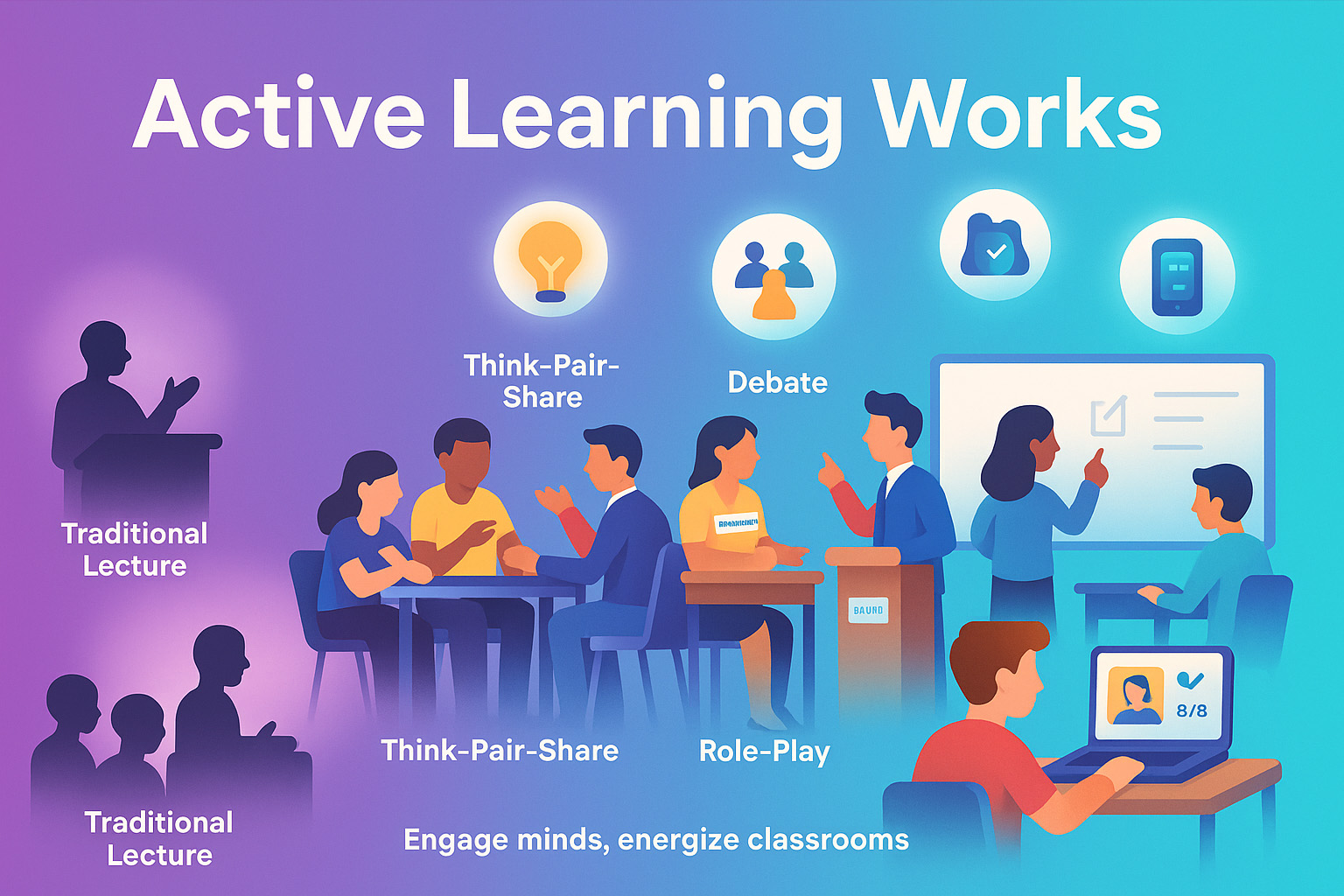
When I first started teaching, I did everything by the book. Lectures. PowerPoints. Endless note-taking. And you know what? My students tuned out. Fast.
That’s when I stumbled into my first active learning experiment a messy, loud, chaotic group debate. And it changed everything.
Many of us still struggle with keeping learners genuinely engaged. The problem isn’t you. It’s the model we inherited passive, rigid, one-size-fits-none.
But there’s another way. A better way. That’s where active learning comes in. It’s not just trendy jargon it’s about creating classrooms where students actually learn by doing, reflecting, and owning the process.
- What active learning really means (and doesn’t mean)
- Proven methods: Think-Pair-Share, Debates, Role-play, Flipped Classrooms
- Tips for making it work in your classroom even big or remote ones
- How tech, student age, and subject matter fit in
By the end, you’ll walk away with ideas you can try tomorrow no gimmicks, no fluff just stuff that works.
What is Active Learning?
I used to think I was engaging students just by asking them questions mid-lecture. Turns out, that was still mostly me doing the work. Active learning flips that.
It’s when students do something with the material talk about it, argue it, role-play it, solve it, teach it. They wrestle with ideas instead of watching you explain them.
Here’s the kicker it’s backed by real data. Studies show active learning improves exam performance and lowers failure rates across disciplines (PNAS, 2014).
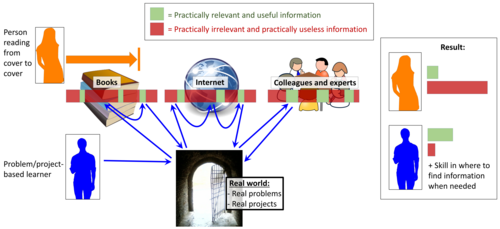
And yeah, it feels uncomfortable at first. Chaos creeps in. But that chaos? It means they’re thinking. That’s the magic.
Core Active Learning Strategies
Think-Pair-Share
This one’s my go-to icebreaker. You ask a question. Everyone thinks silently. Then they pair with a neighbor. Then they share with the group. Sounds simple? It is. And it’s also a powerful way to get EVERY voice in the room active not just the loud ones.
I once used this during a unit on climate policy, and a quiet student ended up leading the class discussion. That wouldn’t have happened in a cold-call setup.
Small Group Discussions
In my first few tries, these flopped hard. Too open-ended. No structure. But once I gave them a clear question and roles (like timekeeper, note-taker), it clicked.
Group size matters too. 3–4 is perfect. Enough voices to spark ideas, not enough to disappear into silence. And I always roam around, eavesdropping some of the best thinking happens in those side convos.
Student Debates
One semester, I had students debate if AI should be allowed to grade essays. Heated. Hilarious. Thoughtful. They showed up with research, argued respectfully, and learned way more than from any article I could’ve assigned.
Debates make them defend, challenge, and refine ideas. Plus, they develop empathy a rare skill these days.
Learning by Teaching
Here’s a mind-bender: the one who learns most is the one who teaches. I started having students explain topics to the class, and boom confidence soared, retention improved, and they owned their learning.
Even a 5-minute peer explainer segment makes a difference. You just need to coach them a bit structure, visuals, time limits. They’ll surprise you.
Role-Play and Simulations
This is where it gets real fun. I’ve watched students act out Cold War diplomacy, customer service meltdowns, courtroom trials. You see their personalities bloom and you know the lesson is sticking.
Simulations don’t need fancy props. I once used folded name tags and chairs in a circle to simulate a UN meeting. Worked better than any PowerPoint.
Supporting Techniques That Enhance Active Learning
Flipped Classroom Approach
I was nervous to try this. Would they even watch the videos at home? Some didn’t. So I started embedding a one-question quiz in each video no quiz, no discussion. Simple nudge, big impact.
Flipping works best when in-class time is used. Problem-solving. Group critiques. Hands-on projects. If you’re just doing Q&A, it falls flat.
Just-in-Time Teaching
This one’s clever. You give them pre-class questions. Their answers shape what you actually cover in class. I used Google Forms for this. It’s like teaching with a cheat code you know what they don’t get, and can target that live.
Memory Games and Round Tables
Gamified reviews aren’t fluff they’re science-backed. I run lightning rounds where they have to remember and connect concepts fast. In round tables, each person speaks in turn so no one’s hiding in the back. They prep better when they know their turn’s coming.

Implementing Active Learning in Your Classroom
You don’t need to throw out everything. Start small. Add one method per week. Try Think-Pair-Share on Mondays. Try a mini-debate on Thursdays. Reflect each Friday on what worked (or bombed).
Set expectations. Tell your students why you’re changing things up. Otherwise, they’ll just think you’re winging it.
Design with outcomes in mind. Don’t just ask, “What’s fun?” Ask, “What helps them get it?”
| Method | Best For | Challenge | Tip |
|---|---|---|---|
| Think-Pair-Share | Warm-ups, exit tickets | Quiet students not sharing | Use a timer and assign pairs |
| Debates | Controversial topics | Tensions getting too high | Give structure and ground rules |
| Flipped Classrooms | Concept-heavy units | Students not watching videos | Embed short quizzes |
Technology Integration in Active Learning
When I started using tools like Padlet and Kahoot, I didn’t expect much. But the energy shift was instant. Students were suddenly excited to respond. Even the quiet ones started clicking answers.
Digital boards, quizzes, polls these aren’t just bells and whistles. They open up real-time thinking and let students see each other’s ideas live. I use Google Jamboard for group mind maps. It’s messy, colorful, full of overlap and somehow, way more insightful than traditional note-taking.
And if you’re shaping your teaching toolkit, pairing active teaching strategies with reliable active learning methods ensures you’re not using tech for tech’s sake but to support real student engagement.
But don’t let the tech lead. The learning goal should drive which tool you choose. Always.
Adapting Methods by Age and Subject
Teaching high schoolers isn’t like teaching college students. And science isn’t history. Active learning can flex, but it’s not one-size-fits-all.
In elementary school, role-play and drawing help. Middle schoolers respond to competition try gamified quizzes. High school? Bring in debates and presentations. In college, flipped classrooms and peer teaching shine.
And for subjects like math, people often think active learning doesn’t apply. Totally wrong. I’ve used peer problem solving and error analysis tasks that turned math class from silent to buzzing.
Measuring Success: How to Evaluate Active Learning Impact
So how do you know if it’s working? I used to just ask students. Then I learned to look at the whole picture.
Yes, I still use surveys. One student wrote, “I finally feel like I have a voice in class.” That hit me hard.
But I also compare test scores, attendance, and class participation before and after using these methods. And I do short “minute papers” where students write what they learned and what’s still fuzzy. Quick, raw, and gold for insight.
For bigger wins, I once ran a pre/post survey measuring confidence in public speaking. After one semester of debates and peer teaching? Scores doubled. Doubled.
FAQ
What is the most effective active learning strategy?
Depends on your class size, subject, and student vibe. For warm-ups? Think-Pair-Share. For deep dives? Small group projects. In my experience, the mix is what keeps students from zoning out.
Is active learning suitable for large classes?
Yes, though it’s trickier. I’ve taught in lecture halls with 100+ students and still used peer instruction, clicker questions, and group think tasks. The key is structure and fast transitions.
How does active learning differ from traditional teaching?
Traditional teaching is often lecture-heavy. One person talks, others listen. Active learning flips the power. Students engage, discuss, challenge. You become a guide, not the only voice in the room.
Can active learning work in online classes?
Absolutely. I’ve had success using breakout rooms, collaborative docs, shared whiteboards. Even Zoom polls can mimic classroom engagement. Just keep the instructions super clear or it falls apart fast.
Final Thoughts
Let’s bring it all together.
We looked at what active learning really is students doing, not just listening. You met methods like Think-Pair-Share, flipped classrooms, debates, and role-play. I shared real tools, tech, and tweaks that helped me bring my classes back to life.
If there’s one takeaway, it’s this: start messy. Start small. But start. Active learning isn’t about perfection it’s about presence. Student presence. Their energy, their ideas, their voices.
Trust me, when you see students teaching each other, lighting up in discussion, and surprising you with questions you never expected they’re not just learning. They’re thriving.
And you will too.