
How to Plan a Group Study Session Without Chaos

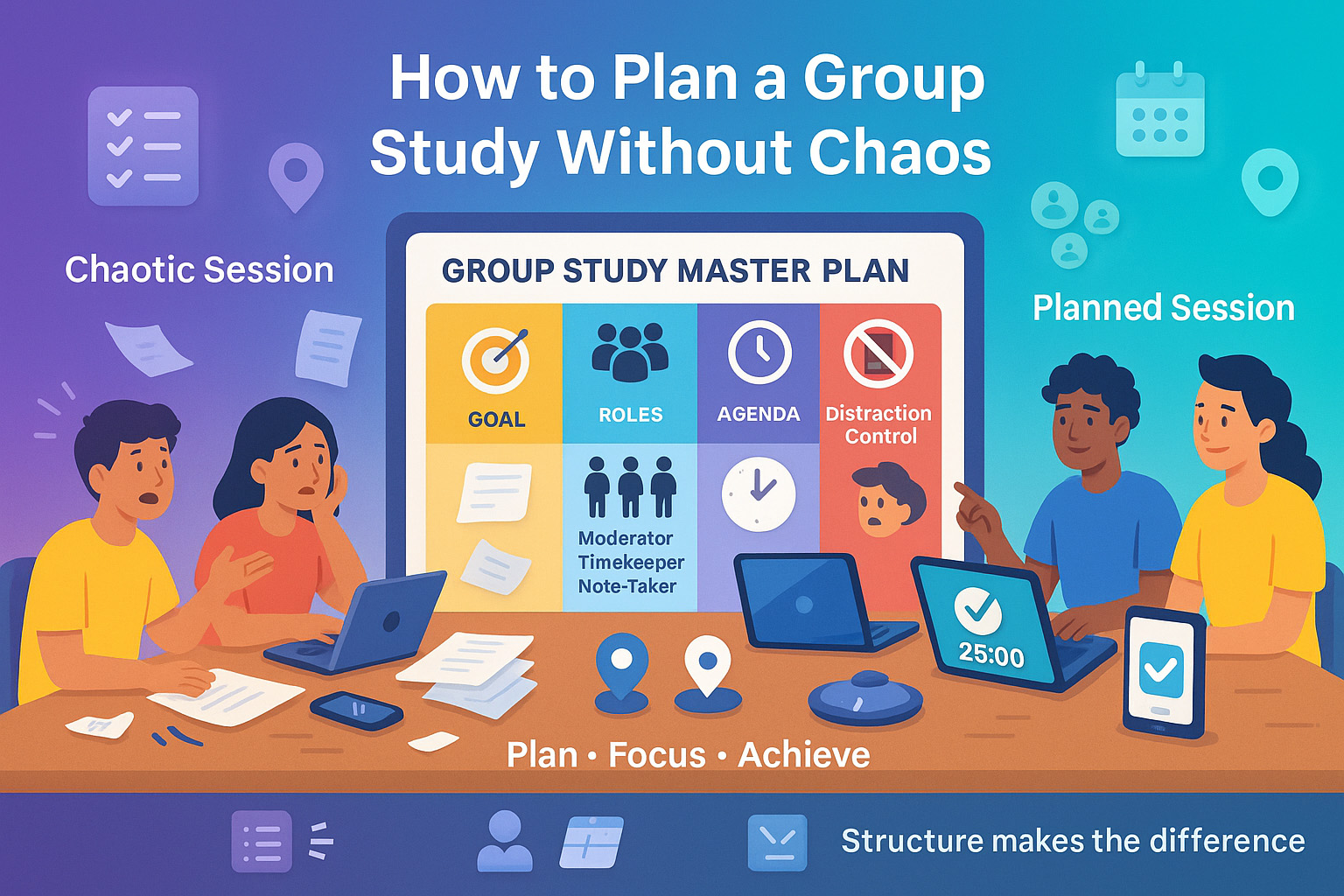
Ever joined a study group that felt more like a coffee catch-up than a study session? Yeah, me too. I used to think getting a few classmates together with our notes and snacks would somehow magically turn into a productive evening. What actually happened? Distractions, rambling convos, and zero real learning.
Here’s the problem most group study sessions lack structure. No plan, no roles, no clear goals. That’s when chaos takes over. You leave more stressed than when you started.
But there’s a better way. Over the last few semesters, I’ve figured out how to turn messy meetups into super productive power hours. With just a bit of planning, a group study can go from frustrating to focused.
Here’s what we’re walking through today:
- Why group study fails (and how to fix it)
- Exactly how to structure a study session that works
- Roles every group needs (yes, even a note-taker)
- How to kill distractions before they start
- Tools, supplies, and templates that make a difference
This guide isn’t just advice it’s a blueprint. One you can use tonight with your own group. Let’s get your next study session running smooth.
The thing is, group study can be incredibly effective if it’s set up right. In fact, it fits perfectly into any time management for students strategy because when you respect everyone’s time, you get better results.
Why Group Study Often Fails
I used to think study groups failed because of the people. Turns out, it’s rarely that. It’s usually poor planning. Here’s what typically goes wrong:
No clear direction. Everyone shows up and says, “So… what should we work on?”
Too many people. More than five and it starts to feel like a group project you didn’t sign up for.
Distractions everywhere. Phones buzzing. Side convos. Suddenly you’re scrolling memes.
And then there’s the worst: leaving a study session feeling more behind than when you came in.
Step-by-Step Group Study Planning Guide
Set Clear Goals
This sounds obvious but most groups skip it. Before your session, ask: What do we want to walk away with? For example, “Everyone understands the stages of mitosis” or “Finish the first 10 problems on the practice set.”
Write your goal down. Say it out loud at the start of your meeting. Repeat it before you wrap up. That way, everyone stays focused.
Choose the Right Group Size
I’ve found the sweet spot is 3 to 5 people. Anything more turns into noise. Smaller groups mean less scheduling hassle and way more interaction. You actually hear each other, you don’t have to fight for airtime, and accountability feels real.
Pick a Suitable Study Location
You need a spot where everyone can talk, spread out, and stay alert. The library’s great if you can find a private room. Coffee shops can work but only if it’s quiet. Personally, I love study lounges with big tables and no loud music.
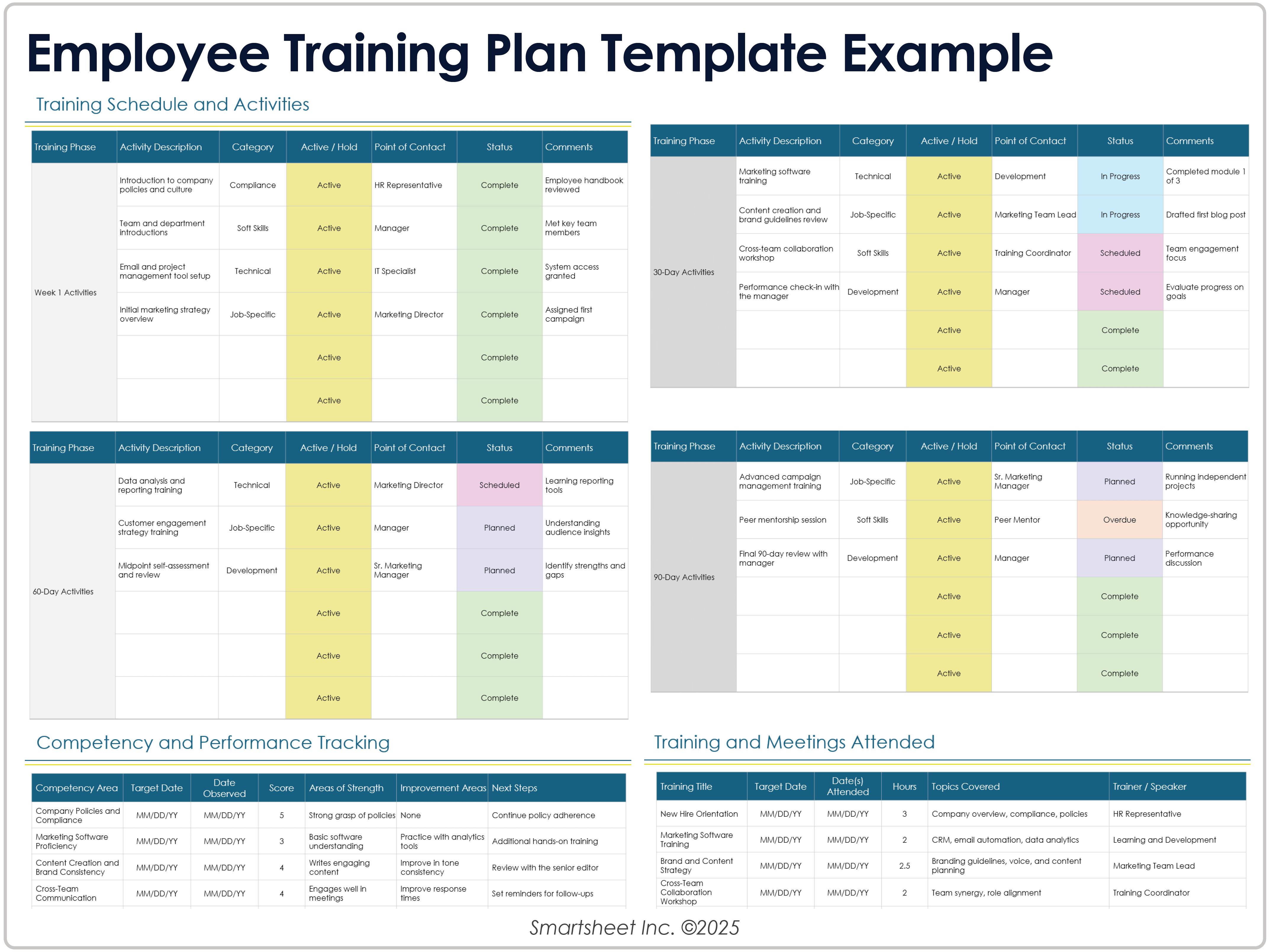
Set a Time Limit and Stick to It
Start on time, end on time. I like sessions that last 90 minutes with a 5-minute break halfway. Any longer and your brain checks out. Use a Pomodoro-style timer if your group drifts.
Distribute Roles
Yup, this is a game-changer. Assign roles at the start of the session:
| Role | Responsibility | Why It Helps |
|---|---|---|
| Moderator | Guides discussion and keeps things moving | Prevents rabbit holes and wasted time |
| Timekeeper | Watches the clock and manages break times | Keeps energy and pace consistent |
| Note-taker | Summarizes key takeaways for everyone | Gives everyone a record of what was learned |
Rotate roles every session so no one burns out.
Create a Session Agenda
Here’s what I do: break the session into blocks. Think of it like this:
- 15 min – Review yesterday’s content
- 30 min – Work on the toughest concept (together)
- 30 min – Practice questions (individually)
- 15 min – Share answers + clarify confusion
Write the agenda somewhere visible: whiteboard, shared Google Doc, or even on a sticky note in the middle of the table.

Segment the Time Effectively
Each topic should get its own chunk. If one person is struggling more, spend a few extra minutes there. But don’t let one topic take over. Your timekeeper should give warnings “Hey, 10 minutes left on this section.”
Include Active Participation Activities
Here’s where the magic happens. Let someone teach a mini-topic. Make flashcard races. Solve problems out loud. I still remember explaining Newton’s Third Law to my group and it finally clicking for ME. Teaching forces you to truly understand.
Build in Breaks
No one can sit and absorb info for 2 hours straight. I set a timer for 50 minutes and force a 5-minute stretch. Go refill water, take a lap. Then come back sharp.
Use the Right Materials and Tools
This part gets overlooked. But having the wrong materials or worse, not sharing them in advance can derail the session quick.
Share Materials in Advance
The day before, drop links in a shared folder. I use Google Drive for notes, PDFs, and past quizzes. That way, we don’t waste the first 20 minutes syncing up.
Bring Necessary Supplies
I always tell people to bring headphones (in case someone needs solo time), a highlighter, and your laptop charger. The tiny stuff adds up when you’re trying to stay focused.

Minimize Distractions
This one’s tricky especially if you’re friends with the people you’re studying with. I’ve definitely wasted whole evenings chatting about weekend plans or TikTok trends. Fun? Sure. Useful? Not at all.
Phone and Social Media Management
We all think we can ignore our phones, but the second it lights up we peek. My group uses the “phone pile” method. Everyone stacks their phones face down in the middle of the table. Want it back? That’s your break. You can also flip on Focus Mode or Do Not Disturb.
Prevent Off-Topic Conversations
I’m guilty of this one. I’ll start with “real quick, did you see ” and suddenly it’s been 15 minutes. So now, we write off-topic thoughts on a sticky note and talk about them after. Having a moderator helps shut that stuff down gently, too. “Let’s park that and come back later.”
Summarize and Plan Ahead
At the end of each session, the note-taker should recap the key takeaways and share them with the group. Then, set your next session’s goal before you leave.
If your group struggles to keep a consistent rhythm, time-block your next session in everyone’s calendars using the same principles you’d use for time blocking your solo study schedule.
Document Key Takeaways
Your note-taker should recap the major points covered. What questions got answered? What’s still confusing? Keep it short and simple think: bullet points. Share that doc with the group right after the session.
Set Next Meeting Goals
Decide what everyone needs to prep before the next session. Maybe it’s “review chapters 5-6” or “bring 3 hard questions to ask.” End the session with: Who’s doing what? When? Where? That’s what keeps momentum going.
FAQs
How many people should be in a study group?
Three to five. That’s the sweet spot. Small enough to stay focused, big enough to have a range of ideas and energy.
What makes a study group effective?
Clear goals, assigned roles, a solid agenda, and shared accountability. When everyone shows up prepared and takes it seriously, group study becomes way more productive than studying alone.
How do I keep my group study on track?
Assign a moderator. Follow a written agenda. Keep phones off. Most important? Have a goal for each session and don’t stop until you hit it.
Can I do group study online effectively?
Totally. Use Zoom, Google Meet, or Discord. Share screens. Use shared docs for notes. Just treat it like an in-person session roles, time limits, prep beforehand. It works if you work it.
Recap of Key Points
We covered a lot. The chaos in group study usually comes from lack of structure not people. With a few easy shifts like setting a goal, assigning roles, and minimizing distractions you can make group sessions something you actually look forward to.
Think about it like this: when everyone’s on the same page, stuff gets done. Real learning happens. You leave feeling confident, not confused.
Group study doesn’t have to be a mess. Plan it right, and it’s the best kind of teamwork. Start with one small change next time you meet like choosing a moderator or setting a clear goal and watch how much smoother it goes.