
Proven Memory and Retention Strategies Backed by Science

Ever walked into a room and totally blanked on why? Or reread a paragraph five times and still couldn’t recall what it said? Yeah, I’ve been there, more times than I’d like to admit.
Memory isn’t just some quirky trick of the brain. It’s the foundation of everything we learn, remember, and act on. And when our memory fails, it doesn’t just frustrate us, it stalls our progress, whether we’re prepping for exams, learning a new language, or just trying to keep up with life’s daily tasks.
That’s why I started digging into what actually works to boost memory and hang onto what we learn longer. No fluff. Just real, practical stuff backed by solid research and personal trial-and-error.
Here’s what we’re gonna walk through together:
- Why memory fades and what to do about it
- Powerful strategies like spaced repetition and chunking
- How to make learning stick using storytelling and visuals
- Daily habits and tools that help me remember more, forget less
If you’re tired of forgetting everything five minutes after you study it, or you just want to learn smarter, not harder you’re in the right place.
Why Memory and Retention Matter in Learning
Memory isn’t just about cramming for a test or memorizing phone numbers. It’s how we build on what we know and make it useful later. If you can’t recall info, it’s basically lost. That’s what hit me hardest prepping for a language proficiency exam, I wasn’t learning too little, I was forgetting too much.
In that process, I realized how important your study environment is to memory. A quiet, well-lit space with minimal distractions can make reviewing feel less like a chore and more like focused reflection.
The Science of Forgetting
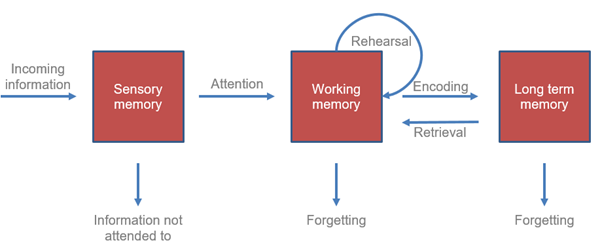
German psychologist Hermann Ebbinghaus figured this out way back in the 1800s. He mapped how fast we forget stuff over time, calling it the forgetting curve. Unless we actively review and use what we learn, most of it disappears, fast. Like within hours. That’s why passive learning (just reading or listening) isn’t enough.
Applications Across Age Groups and Fields
Whether you’re a high schooler prepping for finals, a med student learning anatomy, or just trying to remember names at work, memory skills are non-negotiable. I’ve watched friends in tech, teaching, and healthcare all hit walls when they ignored retention strategies. And honestly? So did I until I started applying what you’re about to read.
Core Strategies to Improve Memory Retention
I don’t mess with what doesn’t work. Below are the exact methods I use and recommend, rooted in science and backed by real-world use.
Spaced Repetition
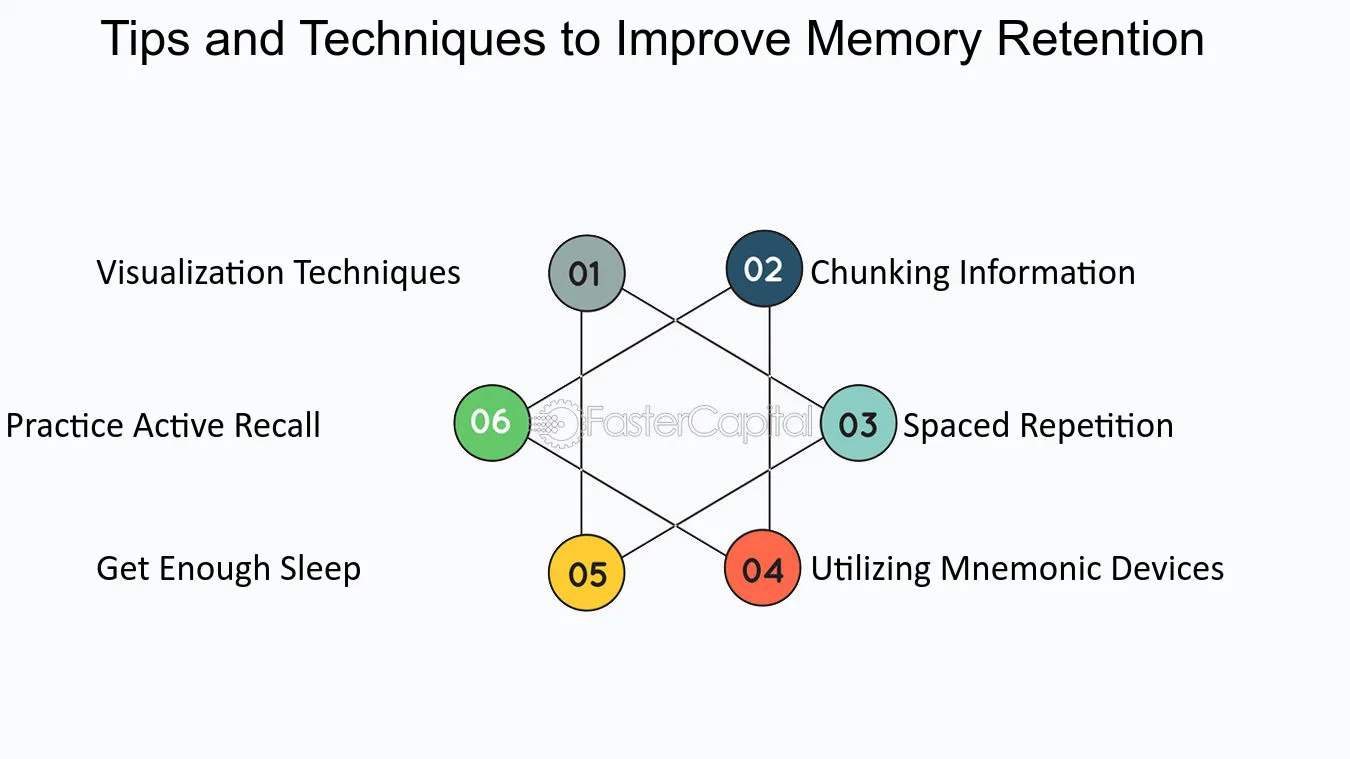
This one changed the game for me. Instead of cramming everything at once, spaced repetition spreads learning over increasing intervals. You come back to material right before you’re about to forget it. Tools like Anki automate this beautifully.
If you’re new to managing your study schedule effectively, it helps to build strong time management habits to ensure your spaced sessions don’t get buried by distractions or other commitments.
| Study Method | Time Required | Retention Score |
|---|---|---|
| Cramming (1 session) | 2-3 hours | 20% after 1 week |
| Spaced Repetition (4 sessions over 2 weeks) | 1.5 hours | 85% after 1 week |
Distributed Practice
This one’s like spaced repetition’s older cousin. It means breaking learning into shorter chunks over time instead of one big grind session. The best part? It feels less overwhelming and you remember more. Back in college, I used this for my psych exams studying 20 minutes a day for two weeks. I crushed those tests without pulling a single all-nighter.
Mnemonic Devices and Visualization
Ever used “PEMDAS” for math? That’s a mnemonic device. They’re memory hacks rhymes, acronyms, visuals that help your brain tag info with a mental shortcut. My favorite is the Memory Palace imagining a house where each room holds a memory. It’s weirdly powerful. I once memorized all 50 U.S. states in 15 minutes just by placing them in rooms of my childhood home.
Active Learning and Engagement Techniques
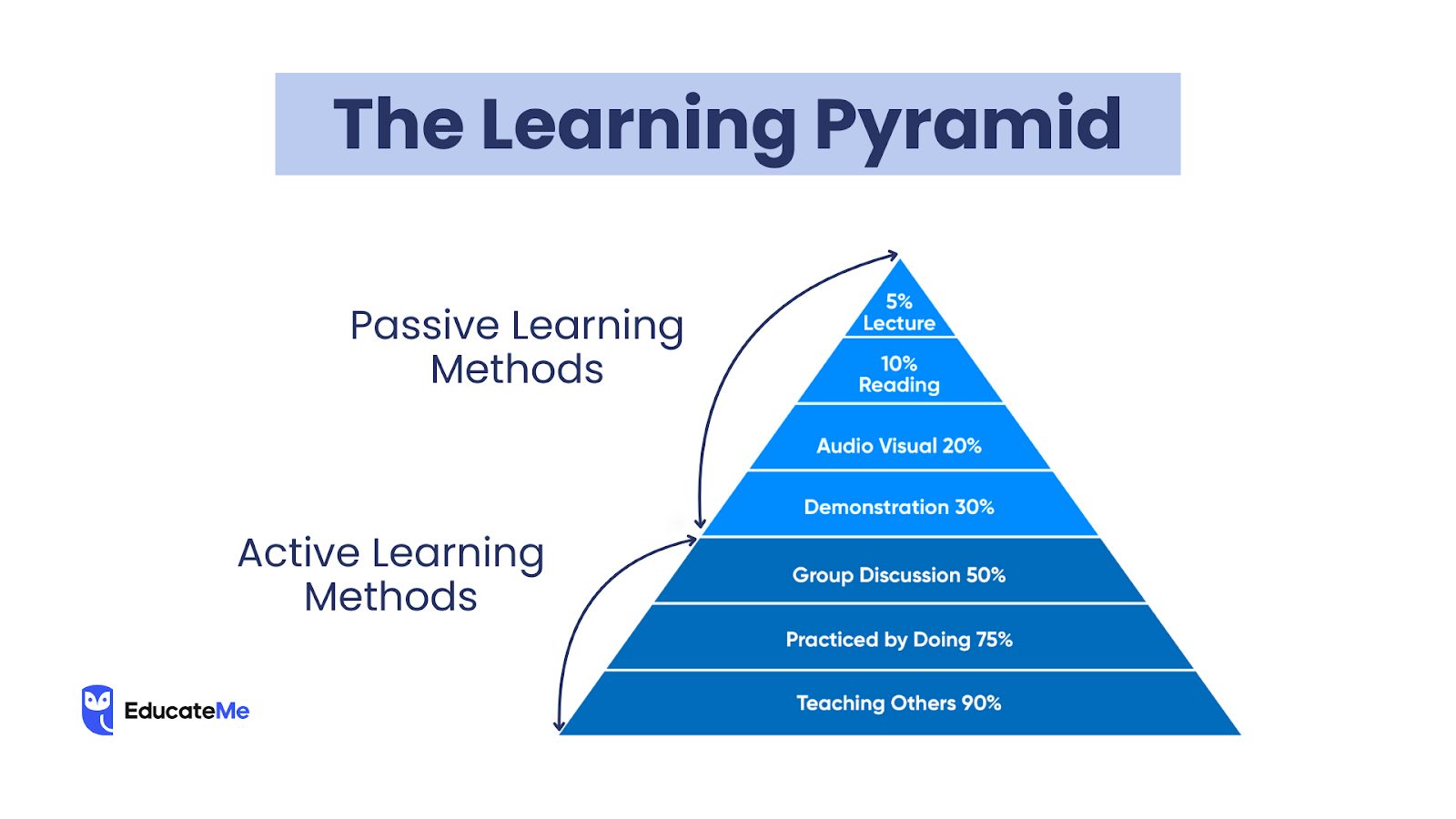
Passive learning is like reading the manual and never driving the car. You feel like you know it, but try to explain it or apply it later and boom, nothing. Active learning makes you wrestle with the info. That’s where the magic happens.
One of the best ways to engage your brain is to lean into active learning strategies like teaching others, debating concepts, or problem-solving on the fly. These not only improve memory but deepen understanding.
Teaching Others and Self-Testing
My college roommate and I used to quiz each other nightly before exams. That process of teaching and testing ourselves stuck things in my head way better than solo study. The more I explained it out loud, the more I owned it. It’s called the Feynman Technique: if you can’t explain it simply, you don’t really know it.
Interactive Learning Tools
Flashcards. Quizzes. Drag-and-drop maps. I’m a huge fan of apps like Quizlet and Brainscape. When I was learning Spanish, I built flashcard decks tied to short stories. It was way more fun and it stuck. Games and apps trick your brain into working harder without even realizing it.
Immersion and Daily Practice
Consistency beats intensity. You know how toddlers pick up language just by hearing it every day? Same principle. When I switched my phone and Netflix subtitles to French, my vocab grew without much formal study. Whether it’s medical terms or historical dates, daily exposure builds fluency and locks info in.
Organizing Information for Better Recall
Here’s a truth I learned the hard way just seeing or hearing something doesn’t make it stick. But how we organize it? That makes all the difference. When info feels random, your brain treats it like clutter. But group it, connect it, tell a story? Suddenly, it’s got hooks.
Chunking Techniques
Chunking is about breaking big things into smaller, meaningful units. Like a phone number much easier to remember as 555-204-8789 than a long string of digits. I use this trick for everything from anatomy terms to grocery lists. It works like magic. The fewer things your brain has to juggle, the better it does.
Storytelling for Retention
I once helped a friend study WW2 history by turning it into a movie plot. We cast famous generals as movie characters and narrated the events like scenes. It was hilarious and he remembered everything. Stories give facts emotion, context, and flow. They’re how our ancestors passed down knowledge without books. Still works today.
Mind Mapping
If you’re a visual thinker, this one’s for you. I started using mind maps in med school. One central idea in the middle, branches shooting off to related concepts. It’s not just about notes it’s about making connections. It helped me see how different topics linked together and showed gaps in my knowledge.
Combining Strategies for Maximum Effect
Let’s be real no single technique fixes everything. What clicked for me was blending these tools into a routine that fit me. You can mix and match till you find yours too. Here’s how to build something that lasts.
Creating a Study Plan
I built a spaced repetition calendar that mapped out which topics to review on which days. It’s not complicated I literally used sticky notes at first. Then I moved to Notion and Anki. A clear plan takes out the guesswork and keeps your brain relaxed and focused. Pairing these plans with digital apps, templates, or flashcard systems? Even better. For that, I explored digital study tools that make it easier to automate, organize, and review.
Adapting Strategies Based on Learning Style
If you’re a visual learner, lean hard on diagrams and mind maps. Auditory? Record yourself reading notes, then replay them while walking. Kinesthetic? Build things, use flashcards physically, move while you learn. For more help figuring that out, explore these learning style tips to personalize your strategy.
Measuring Progress and Retention
I used to feel like I was learning, but didn’t know for sure. Then I started quizzing myself weekly and color-coding topics by how well I remembered them. It gave me a clear picture of what to review next. Retention isn’t guessing it’s tracking. That’s what keeps it real and efficient.
FAQ
What is the best way to retain information long-term?
Hands down, it’s spaced repetition. Reviewing info right before you’re about to forget it helps lock it into long-term memory. Tools like Anki make this automatic. Combine that with active recall (quizzing yourself) and you’re golden.
How often should I review to retain memory?
It depends on how new the info is. I usually go with this flow: same day, next day, 3 days later, 7 days, 14 days, and then once a month. You’ll feel when something’s locked in you won’t have to strain to remember.
Do mnemonic devices really work?
Yes, especially for facts or sequences. They don’t always help deep understanding, but for remembering lists, formulas, or steps? Total lifesavers. My go-to is turning the first letters into silly acronyms. The sillier, the better.
How can I avoid forgetting what I studied?
Don’t cram. Spread it out. Quiz yourself often. Teach someone else. And build review into your routine. Forgetting is normal, but with the right tools, you can fight it.
What’s the difference between spaced repetition and distributed practice?
They’re super similar. Spaced repetition is more precise like using an app to remind you to review flashcards at exact intervals. Distributed practice just means spreading learning sessions out. Think of it like this: all spaced repetition is distributed practice, but not all distributed practice uses spacing science.
Final Thoughts
So, what actually works to improve memory and retention?
- Spaced repetition crushes cramming every time
- Active learning beats passive reading, teach, test, move
- Stories, visuals, and chunking help your brain link things
- Daily practice and immersion make memory automatic
If there’s one thing I want you to take away, it’s this, memory is trainable. You’re not stuck with a “bad” memory. With the right tools and some patience, you can learn more, remember longer, and stress less.
Keep experimenting. Find what fits. And remember, you’ve got this.