
How to Wind Down Productively: The Ultimate Night Routine

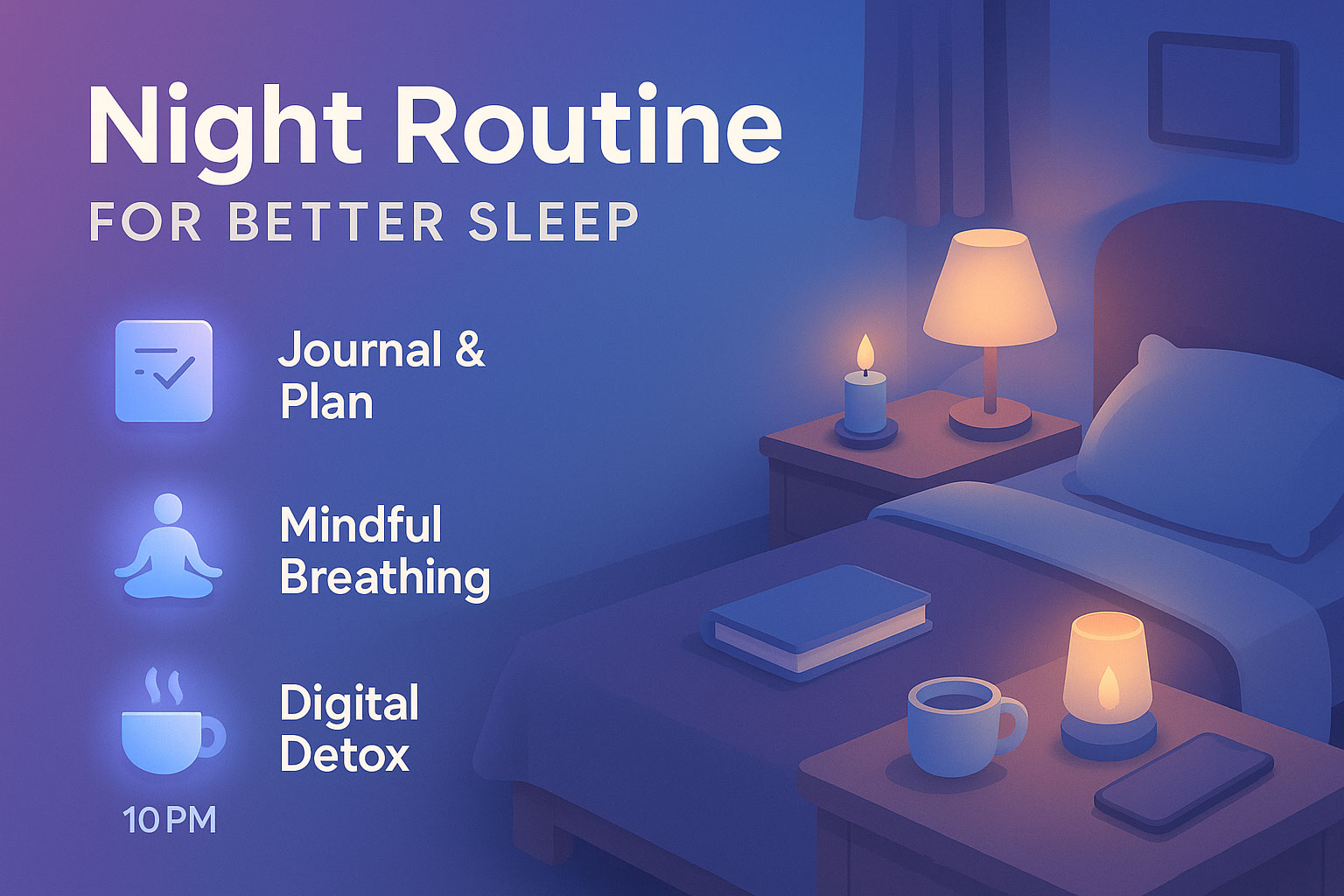
I used to think I could just scroll on my phone until I passed out and still function like a decent human the next morning. But after too many groggy wake-ups and endless mental fog, I had to get real with myself. The truth? I didn’t have a night routine,I had a nightly chaos ritual.
The problem isn’t just that we stay up too late. It’s how we wind down. Or rather, how we don’t. From screen overload to forgotten tasks that haunt us at midnight, we sabotage our sleep without even noticing.
So, I changed everything. I made small, intentional changes. And you know what? I fall asleep faster, sleep deeper, and I wake up with a sense of control. Here’s how you can too:
- Why sticking to a set bedtime resets your brain
- Exactly what to avoid before bed (yes, your phone…)
- How to build a wind-down environment your body loves
- My go-to mindfulness tricks that helped me fall asleep faster
- The one thing I do every night to clear mental clutter
When you stick with this routine, you don’t just fall asleep easier,you show up better the next day. No more mental drag, no more burnout mornings. Just you, actually rested and ready to go.
From screen overload to undone tasks that haunt you at midnight, here’s how intentional changes helped me sleep deeper, recover faster, and wake up with control again.
Consistency at night builds momentum for the whole day. Learn how this fits into the bigger picture in Time Management for Students.
Why a Consistent Bedtime Matters
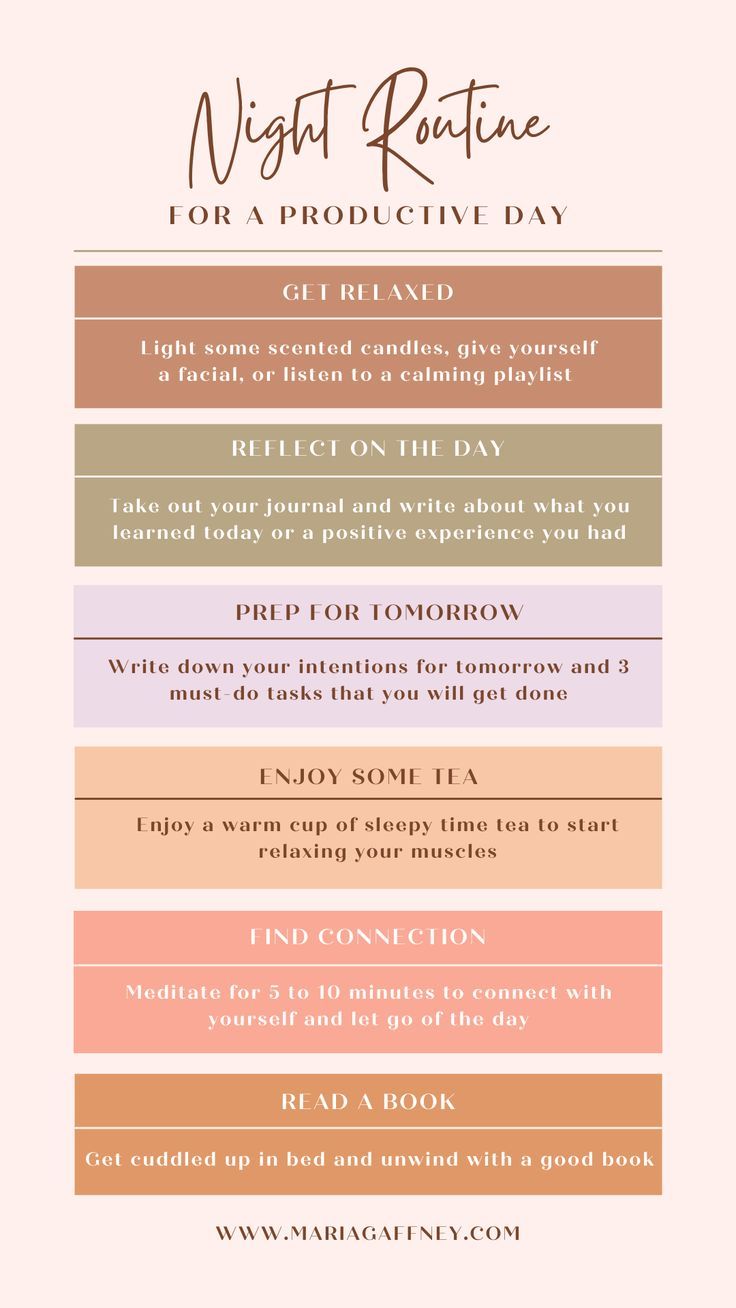
Let me guess,you stay up till 2AM one night, then try to crash at 10PM the next. Been there. And it wrecked me. What finally helped? Picking a sleep window and respecting it like an appointment. Same time to bed, same time up. My internal clock stopped rebelling after about a week.
Here’s the deal: Your body runs on something called a circadian rhythm. It’s like your internal timer that regulates sleep, hormones, mood, everything. When you keep your bedtime steady,even on weekends,your body knows when to release melatonin (that sleepy hormone) naturally. No supplements needed.
Limiting Screen Time Before Bed
This one hurt me the most,I love a good YouTube spiral. But blue light from screens blocks melatonin, and my sleep suffered for it. Now, I keep my phone out of reach an hour before bed. Hard at first, but now I actually look forward to my screen-free time.
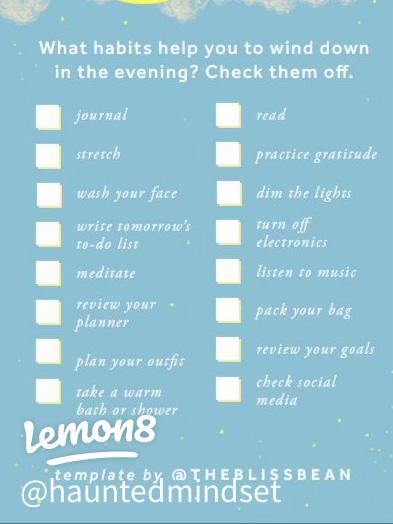
Try this: 60 minutes before lights out, dim your screens, then power them down completely. Instead, grab a book, write in a journal, or just sit with your thoughts. It’s awkward at first, but it’s real rest.
Designing a Relaxing Environment
One thing I never realized until I started sleeping better,my bedroom was way too bright and warm. Now? It’s dim, cool, and SO darn cozy. Here’s how I set the vibe:
Dim the Lights
About 90 minutes before bed, I turn off overhead lights and switch to a small warm lamp. It signals to my brain, “Hey, it’s chill time.”
Cool the Room
I keep my bedroom between 65–68°F. Studies back this up,our bodies sleep best slightly cooler. Sleep Foundation agrees.
Cozy It Up
I added blackout curtains, a sound machine, and honestly, some fairy lights (no shame). Make your bedroom feel like a safe little cave.
Mindfulness or Meditation Techniques
I used to lay in bed replaying convos from 2009. My brain would NOT shut up. Enter: mindfulness. Now, even 5 minutes of focused breathing calms me down better than any sleepy tea.
Deep Breathing Practices
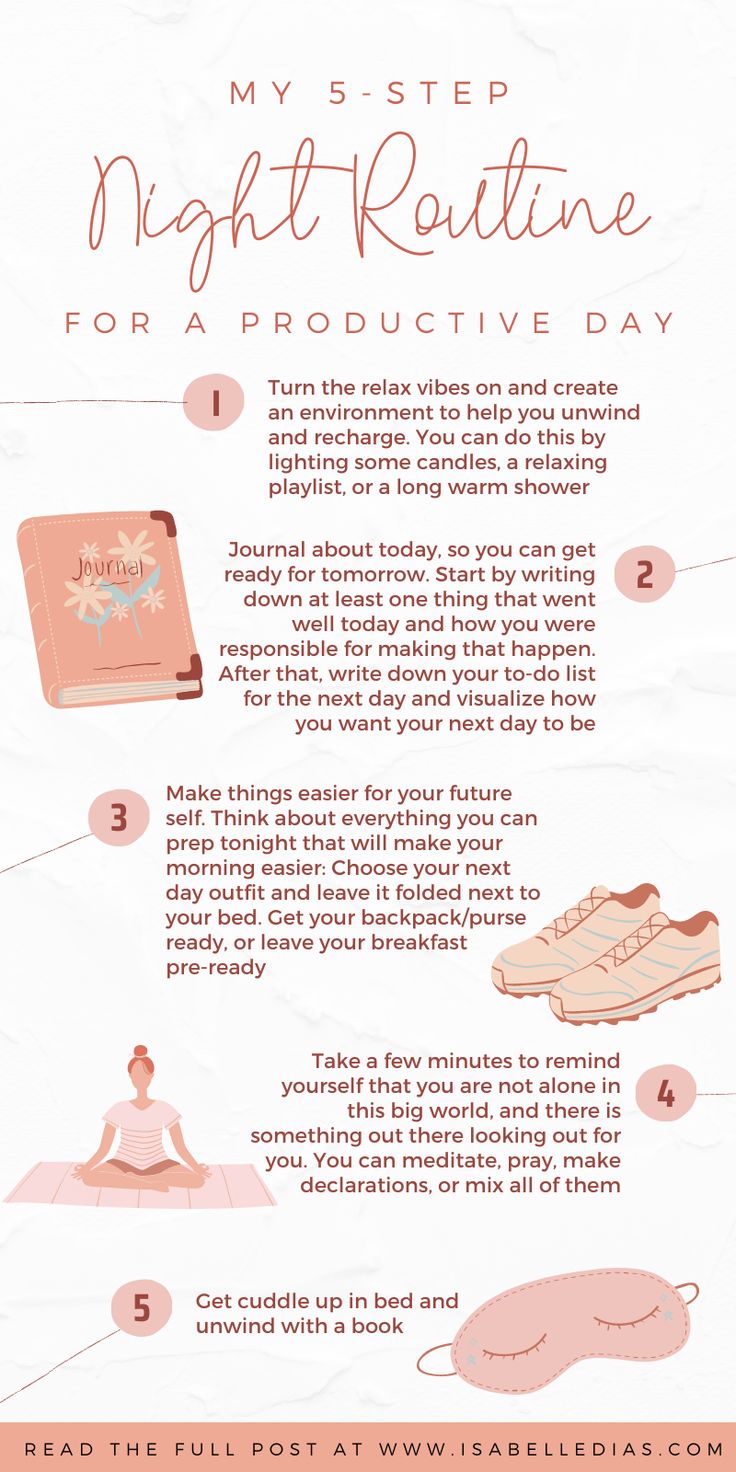
I sit upright on my bed, close my eyes, and inhale for 4, hold for 7, exhale for 8. Three rounds of this and I’m already melting into my mattress. It’s called the 4-7-8 method, and it’s simple magic.
Guided Meditation Options
I rotate between Headspace and Insight Timer. Nothing fancy,just a calming voice telling me to let go. Even better? Doing it with my headphones under the covers. You can find some free ones on YouTube too.
Journaling or To-Do List for Next Day
If you only try one thing from this page, make it this. I write down 3 wins from my day and a simple to-do list for tomorrow. Clears my head like a brain dump and helps me stop overthinking at night.
| Routine Activity | Duration | Purpose |
|---|---|---|
| Turn off screens | 60 mins before bed | Let melatonin flow naturally |
| Journal + to-do list | 10 mins | Clear mental clutter |
| Mindfulness / deep breathing | 5–10 mins | Calm nervous system |
| Set lighting & temp | 5 mins | Wind down environment |
Calming Activities: Reading and Gentle Stretching
Reading saved me from my doom-scroll habit. I swapped TikTok for a paperback, and now my brain winds down naturally. I keep a book by my bed,fiction only, nothing too intense. No thrillers, just slow, cozy plots.
Pair that with gentle stretching, and it’s a wrap. I spend five minutes doing slow movements,neck rolls, shoulder shrugs, light forward folds. I’m not doing yoga for Instagram. I’m just trying to tell my muscles, “We’re done for the day.”
What to Avoid: Caffeine, Heavy Meals, Excess Liquids
Ever eat a big bowl of noodles at 9PM then regret it by midnight? Yeah, me too. Eating late makes it harder to sleep and even harder to stay asleep. Now, I keep dinner light and finish at least two hours before bed. If I get hungry, I’ll nibble on a banana or some nuts,nothing too heavy.
Same goes for caffeine. I set a hard stop at 2PM. Even a small cup after that messes with my sleep. And liquids? I sip water earlier in the evening, but I cut off close to bedtime. Nobody wants to be up at 3AM because their bladder has other plans.
Preparing for the Next Day
This one feels small but packs a punch. Every night, I lay out my clothes, prep my bag, and check my calendar. It takes five minutes, tops. But that simple act? It gives tomorrow’s version of me a smooth, no-panic start. I used to scramble in the morning, now I cruise.
And the mental clarity? Unreal. I stop stressing about forgetting something because it’s already done. Just one less thing to carry around in my head when I’m trying to sleep.
For Fridays or weekends, it pairs well with scheduling specific Weekend Time Management Strategies to balance rest and readiness.
FAQs
What time should I stop using screens before bed?
Ideally, turn off screens 30 to 60 minutes before bedtime. Blue light tricks your brain into staying alert by delaying melatonin production. If you can’t avoid it, use blue light filters or wear blue light blocking glasses.
How long should my nighttime routine be?
Mine takes about 45 minutes. Yours doesn’t have to be long. Even 15–30 minutes of intentional, calming activities can help signal your body that it’s time to rest. The key is consistency, not perfection.
Can journaling really improve sleep quality?
Absolutely. Journaling helps offload worries and organize thoughts, making it easier to relax. According to research in the Journal of Experimental Psychology, people who wrote detailed to-do lists fell asleep faster than those who didn’t.
Recap of Key Points
We covered the power of a steady sleep schedule, why screen time messes with your melatonin, how to create a calm space, plus how mindfulness, journaling, light stretching, and smart choices around food and caffeine can all support better rest.
Final Takeaway
You don’t need fancy apps or 10-step regimens to sleep better. Just a few grounded habits,ones that make you feel safe, calm, and ready to let go of the day. These are the tools that help me wake up clearheaded, not groggy.
Closing Thought
If your nights feel chaotic or you dread bedtime, I hope this helps. You deserve rest that actually restores you. Pick one habit. Try it tonight. Your future self,the one who gets up on time and feels good doing it,will thank you.