
The Pomodoro Technique: A Smarter Way for Students to Study

Back when I was buried in textbooks preparing for finals, I tried everything color-coded notes, all-nighters, even recording myself reading chapters to listen to while I slept. Nothing stuck. My brain would just zone out. I didn’t even know what real focus felt like until someone introduced me to the Pomodoro Technique.
Most students I talk to have no idea how powerful short bursts of focus can be. We think more hours = better grades, but that’s just not true. The real problem? Burnout. Distraction. That twitchy, I-should-check-my-phone feeling every five minutes. You feel me?
The Pomodoro Technique changed that. It’s not a gimmick. It’s a structured study rhythm that actually works with your brain’s natural attention span especially if you struggle with procrastination or ADHD like I do.
- What the Pomodoro Technique is and where it came from
- How it boosts memory and focus with brain-backed science
- Step-by-step on how I use it during midterms and essay crunch time
- The traps most people fall into and how to avoid them
- My go-to break activities and how I make them count
If you struggle with procrastination or ADHD like I do. If you’ve been struggling to build a consistent study rhythm, this is one of the best time management for students tools you can start using today.
What is the Pomodoro Technique?
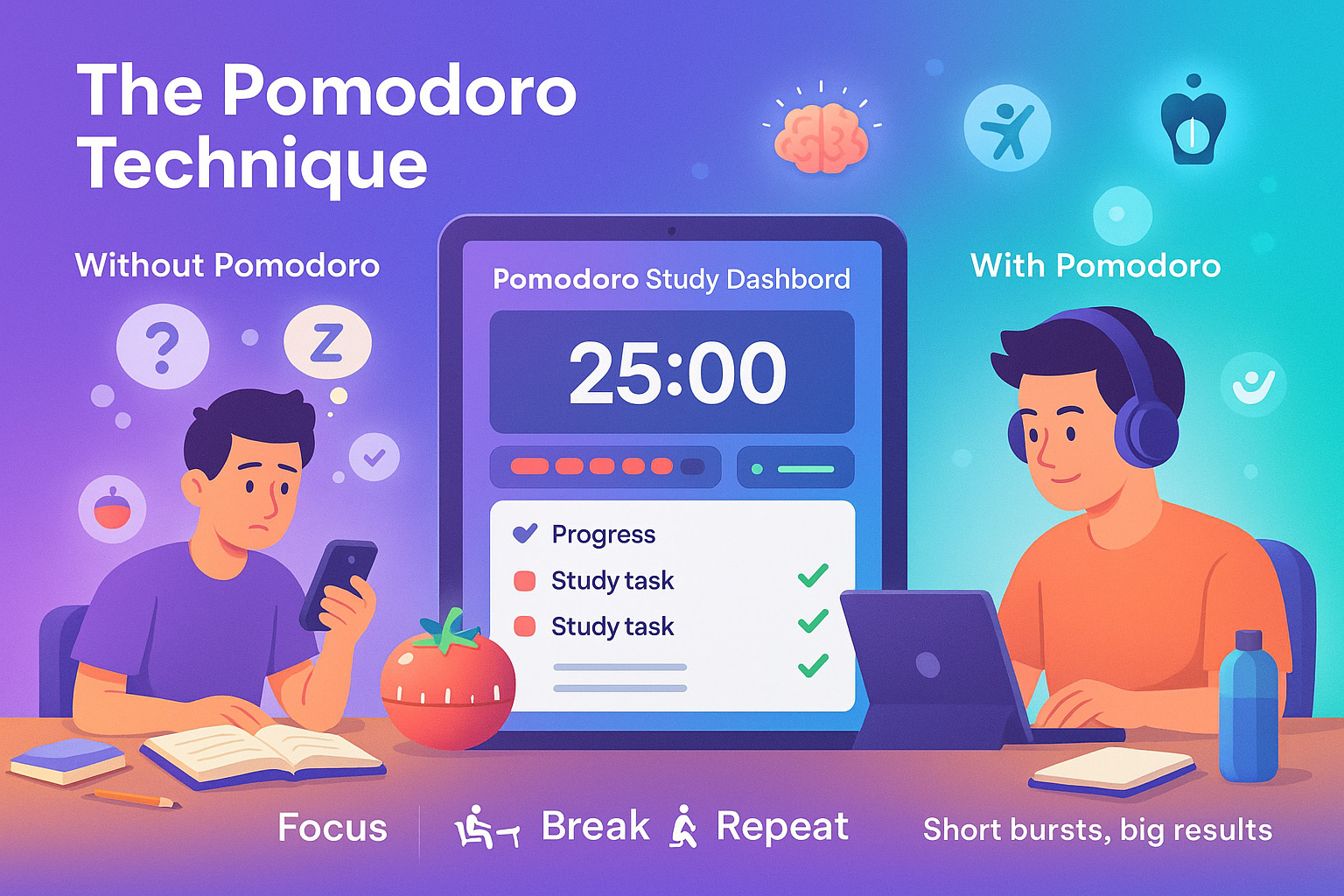
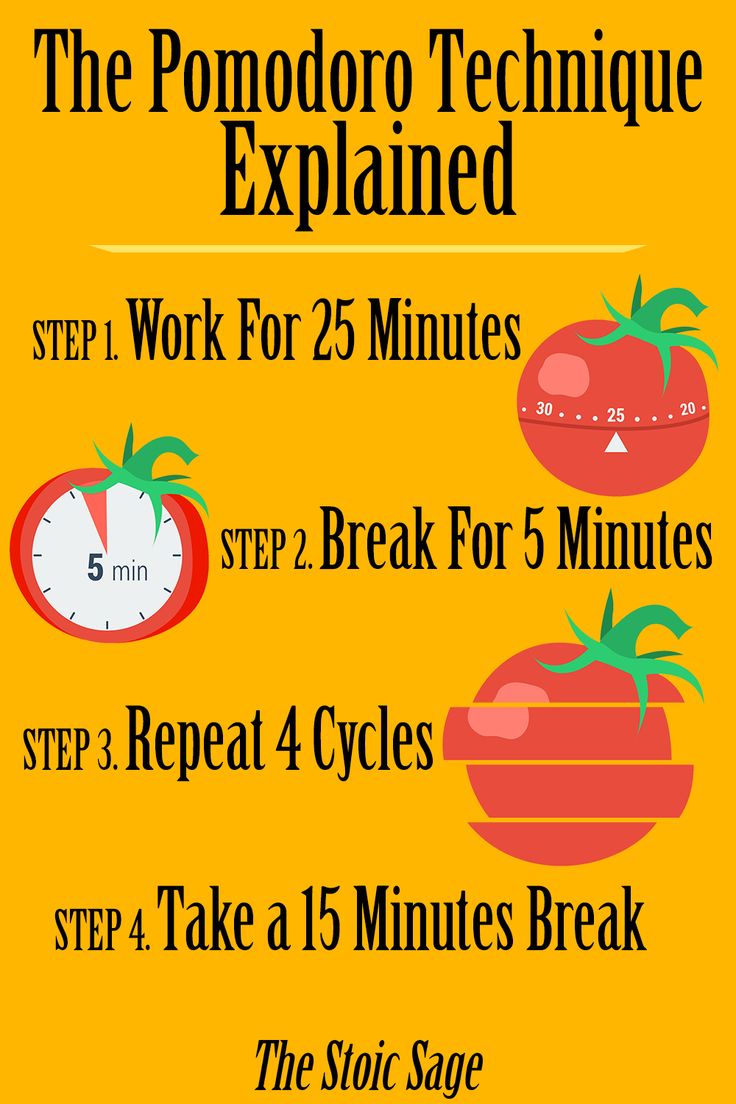
I first heard about Pomodoro from a productivity podcast. At first, I brushed it off “some tomato timer thing.” But after trying it for just one day, I was hooked. Created by Francesco Cirillo in the 1980s, the Pomodoro Technique breaks your work into 25-minute chunks called “Pomodoros,” followed by short 5-minute breaks. Every fourth Pomodoro? You take a longer break of 15 to 30 minutes. That’s it. Simple. But wildly effective.

The name comes from a kitchen timer shaped like a tomato “pomodoro” is Italian for tomato. But you don’t need a cute timer. Your phone, a free app, or even a browser extension will do just fine.
Why the Pomodoro Technique Works for Students
Let’s talk about why this method hits different. Our brains aren’t made for marathon focus. Studies show that attention naturally drops after about 25–30 minutes. That’s why cramming for three hours straight feels like torture and why you forget half of what you read.

Here’s what happened for me: I stopped feeling like I had to study all day. My brain stayed fresher, longer. And I actually remembered things. Those tiny breaks? They’re gold. That’s when your brain processes and stores what you just studied. That’s science not opinion.
f you’re looking to combine Pomodoro with a more comprehensive approach, pairing it with time blocking techniques can help you lock in both your focus bursts and your daily structure.
Cognitive science behind the focus burst
It’s called the “spacing effect.” When you take breaks between learning sessions, your brain works harder to recall the information. That effort strengthens memory. Short study intervals also keep you from hitting mental fatigue which is a massive win during finals week.
Why it helps if you have ADHD or ESL learning needs

For ADHD folks like me, this method makes focus feel… possible. I used to get distracted within 10 minutes of starting a task. But with Pomodoro, I could tell myself, “Just 25 minutes.” That time-boxing trick gave me the motivation to start and once I started, I usually kept going.
Same goes for ESL learners. One of my students told me that Pomodoro made reading less stressful because she didn’t feel overwhelmed by long study blocks anymore. She could pause, process, breathe.
How to Use the Pomodoro Technique Effectively
You don’t need a fancy planner or app. Here’s the exact routine I follow, especially during exam prep:
| Step | Action | Time |
|---|---|---|
| 1 | Pick ONE study task | 1–2 minutes |
| 2 | Set timer and focus | 25 minutes |
| 3 | Take a short break | 5 minutes |
| 4 | Repeat 4 times, then rest longer | 15–30 minutes |
My personal trick? During breaks, I don’t check social media. That kills your focus. Instead, I stretch, drink water, step outside. Those micro-actions reset my brain better than doomscrolling ever did.
Adjusting Pomodoro to fit your rhythm
I know 25 minutes isn’t magic for everyone. I’ve adjusted it for long essays or creative work 40 minutes on, 10 minutes off. You do you. What matters most is keeping that work-break balance.
What to actually do during breaks
This part gets ignored a lot. But it matters. A bad break (scrolling TikTok for 45 minutes) ruins your rhythm. Here’s what’s worked for me:
- Walk to the kitchen and refill your water
- Stretch your shoulders or legs
- Listen to a chill song (one)
- Breathe deeply or close your eyes for 2 minutes
I once made the mistake of watching a “quick” Netflix clip next thing I knew, it was midnight. Don’t be me. Breaks should refresh you, not distract you from coming back.
Common Mistakes and How to Fix Them
Pomodoro works if you use it right. But I messed it up at first here’s how, and how I fixed it.
Misusing the break time
I thought any break was good, even if it meant playing mobile games or texting friends. But that just drained me more. When I switched to low-stimulation breaks stretching, journaling, deep breaths I stayed sharper after.
Planning too many tasks
Another big one. I’d write out 10 tasks in one day, then burn out by lunch. Now I plan 3 Pomodoros at a time. One subject. One intention. It’s way more doable and feels good to finish.
Not tracking progress
At first, I never looked back at how many Pomodoros I completed. But once I started tracking, even with simple checkmarks, it changed everything. I could actually see progress. That little sense of achievement? It pushed me to keep going even when I was tired. There’s something about finishing four Pomodoros and earning a longer break that just feels right.
Can I use the Pomodoro Technique for group study?
Yes but it takes some setup. I’ve done Pomodoro-style sessions with friends during finals week. We’d all agree on the 25-minute block, mute our phones, and check in after each round. It works best when everyone’s studying similar material, but even with different topics, the shared rhythm kept us accountable. Breaks became our check-in time. We’d laugh, stretch, vent about hard questions, then get back to it. Honestly, made studying way less lonely.
How many Pomodoros should I do in one day?
There’s no magic number. I usually aim for 8–10 total, spaced across the day. That’s about 4–5 hours of focused study way more effective than 8 half-distracted hours. On essay days, I go for fewer, longer Pomodoros (35–40 minutes) and take longer breaks. If you’re new, start with just 4 Pomodoros. One study block in the morning, one in the afternoon. Build up from there.
What if I get interrupted during a Pomodoro?
Happens to the best of us. If it’s something urgent, I stop the timer and reset the round later. But if it’s just a craving to check Instagram or a roommate talking, I’ve trained myself to jot it down on a “distraction pad” and come back later. That simple move saves so much time. Don’t restart the whole Pomodoro unless you completely lost focus just get back in it and finish strong.
Recap of Key Points
The Pomodoro Technique gives students a way to study smarter, not longer. With 25-minute focused sessions and regular short breaks, it helps maintain energy, boost retention, and fight distraction. Whether you’re an ESL learner, someone with ADHD, or just struggling to stay focused, this method adapts to how your brain actually works. Trust me, it’s changed the way I study and it can do the same for you.
Final Takeaway
You don’t need fancy tools or rigid rules. All you need is a timer, a plan, and the willingness to give yourself space to breathe between bursts of focus. Once you feel that rhythm, studying feels a lot less overwhelming. More doable. More human.
Closing Thought
If you’re tired of dragging yourself through endless hours of unfocused reading, try just four Pomodoros today. That’s two hours. Two hours of pure, intentional study time. See what happens. You might be surprised just how much you can get done without burning out.