
How to Prepare for a Study Abroad Experience

So you’re thinking about studying abroad? I remember the moment I decided to go. I was 19, sitting in a tiny dorm room, scrolling through pictures of food from Japan and programs in Europe, completely overwhelmed but so hungry for more than lectures and local hangouts.
But here’s the catch it’s not just about choosing a city and hopping on a flight. The problem is, nobody really tells you what all goes into it. Timelines, money, documents, culture shock it’s a lot. I made mistakes. Missed deadlines. Panicked over packing. You don’t have to.
Here’s your map.
- Set clear, personal study abroad goals
- Figure out where you actually want to go and why
- Understand the real cost of it all (money, time, emotions)
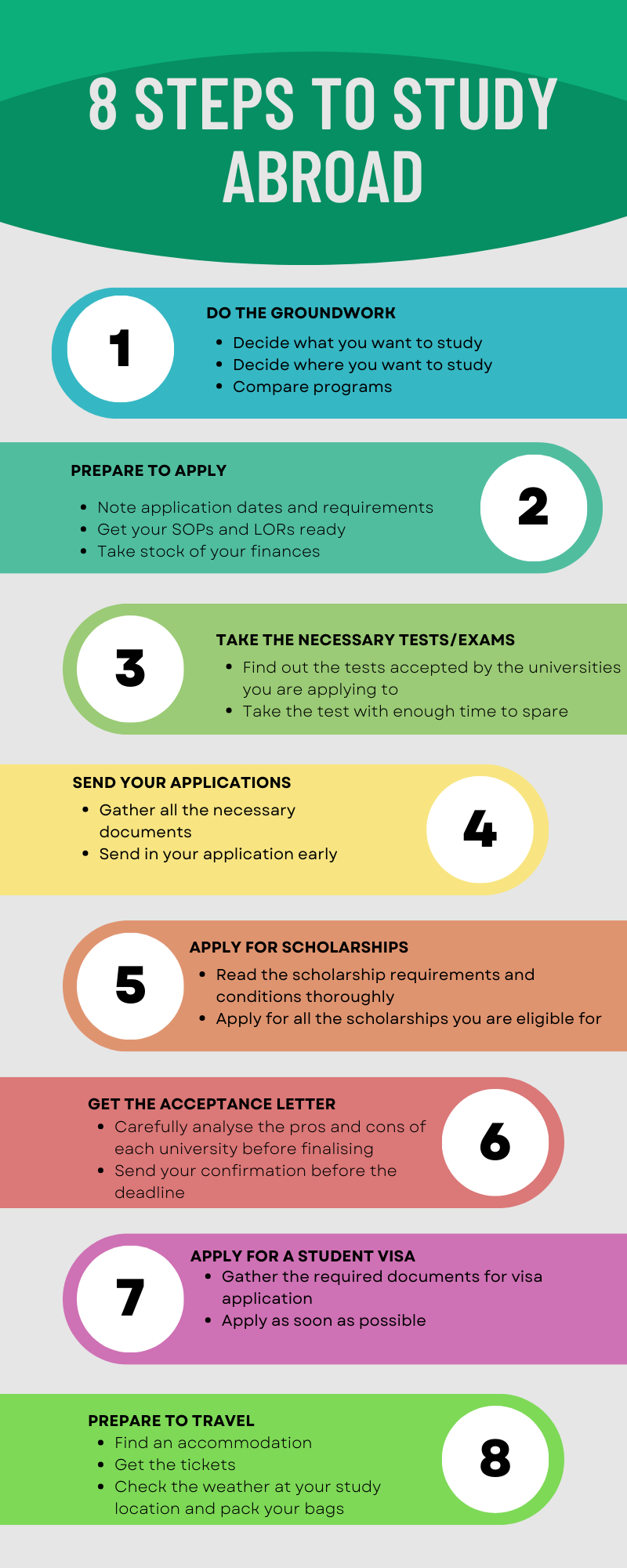
- Learn how to apply, get in, and prep for takeoff
- Bonus: what nobody tells you about being far from home
My goal? To make this feel like talking to a friend who’s been through it. I’m going to walk you through each part like we’re chatting over boba or bread.
If you want to avoid the same pitfalls, start with a solid foundation of time management for students. The earlier you plan, the smoother every other part of the process becomes.
Define Your Study Abroad Goals
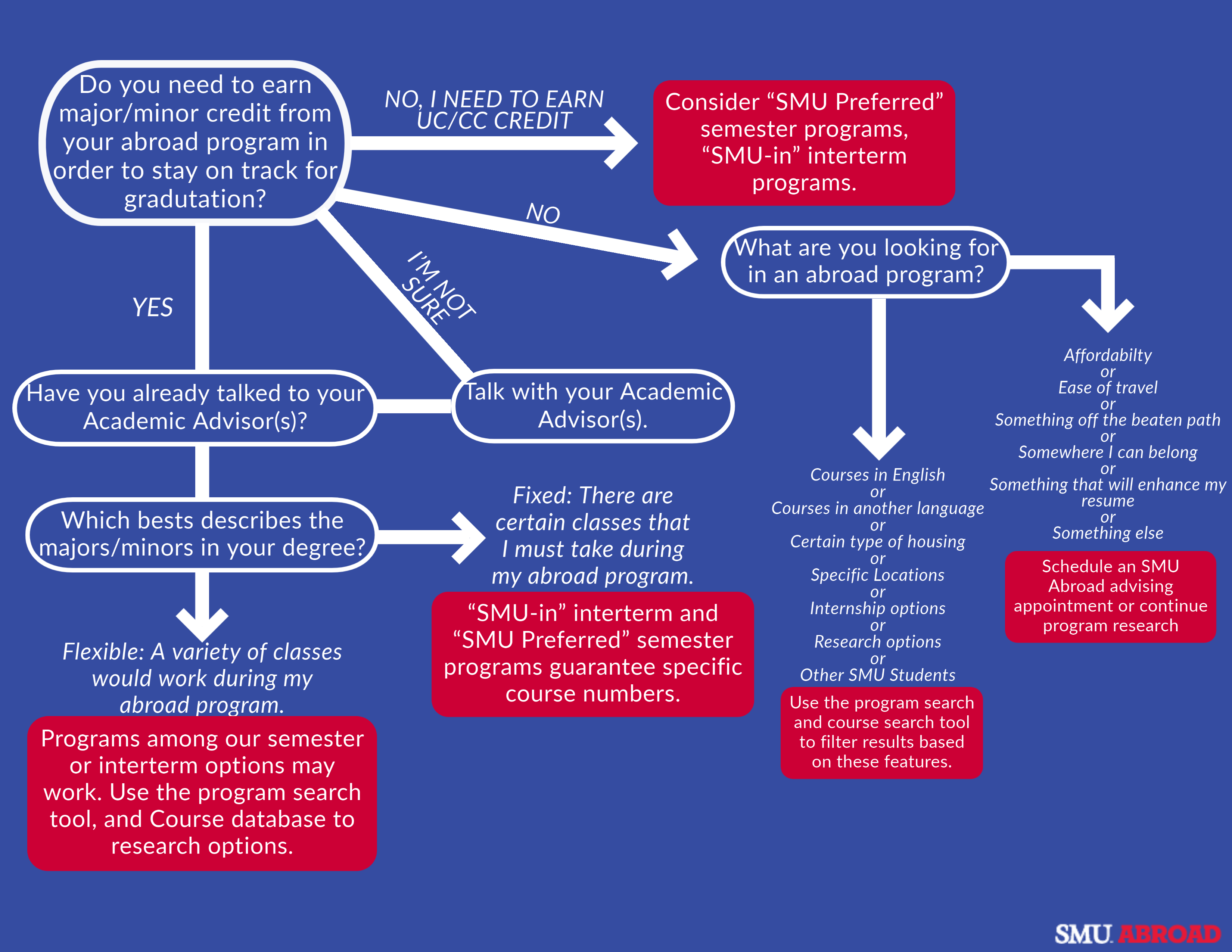
I learned fast that “just wanting to travel” wasn’t enough. Programs are picky, and you’ll need a reason that feels real to you. So ask yourself do you want language fluency? Better career options? Cultural exposure? A killer research experience?
When I applied to a university in Tokyo, I wrote about how I’d studied Japanese on my own for two years and wanted to finally speak it outside a classroom. That story got me in.
Identify academic and personal motivations
Maybe you’re chasing a program no one else in your country offers. Or maybe it’s about proving to yourself you can thrive alone. Write it down. Say it out loud. It helps.
Match goals with program types
If you’re into language and culture, go for immersion. If it’s about degree credit, maybe stick with a semester exchange. Not all programs are equal and not all fit your why.
Research Destinations and Universities
I went through so many country comparison spreadsheets. Climate, tuition, safety, food (yes, it matters). Choose somewhere that feeds your curiosity, not just your Insta grid.
Start here:
Compare education systems and visa policies
Every country has quirks. Germany has almost free tuition, but you’ll need a blocked account. The U.S. loves standardized tests. Australia? Super laid-back culture but expensive cities. Double check visa lengths and working rights, especially if you plan to intern.
Evaluate cultural fit and climate
One of my friends moved to Finland for school, not realizing she’d get maybe three hours of daylight in winter. Depression hit hard. Culture and weather can make or break your time there, even if the academics are amazing.
Build a Timeline and Checklist
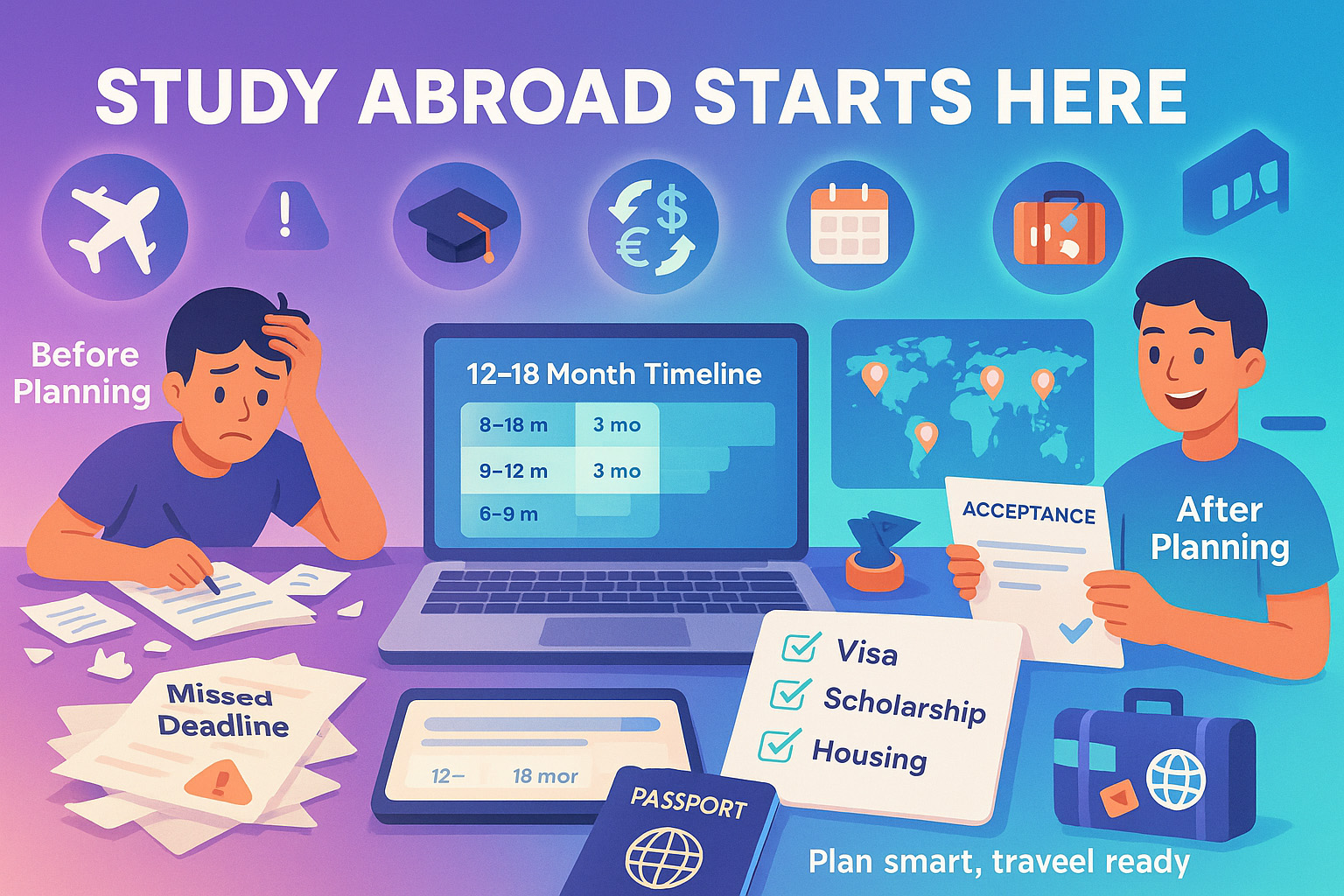
I cannot stress this enough: start early. Like 12–18 months early. My mistake? I started planning six months out. Big oof. Almost missed the language test deadline. Learn from me.
If you tend to procrastinate, try time blocking techniques to break down the prep into manageable weekly tasks so you’re never scrambling at the last minute.
| Timeline | Tasks |
|---|---|
| 12–18 months before | Choose destination, research programs, check eligibility, talk to advisors |
| 9–12 months before | Prepare for exams (TOEFL/IELTS), request transcripts, write SOPs, search scholarships |
| 6–9 months before | Submit applications, apply for funding, confirm passport validity |
| 3–6 months before | Apply for visa, find housing, buy flights, get vaccinations |
12-18 month prep timeline
Ask your school’s study abroad office for their deadlines. They’re usually not the same as the host school’s. I almost missed mine because of this mismatch.
Monthly task breakdown
Set Google Calendar reminders for everything. Break your plan into tiny tasks. “Write SOP draft” one week. “Book IELTS” the next. It helps you not freak out.
Understand the Application Process
Every school has its own rules. Some want GPA, some want portfolios, others need interviews. I applied to four and none had the same format. Keep a spreadsheet it’ll save your brain.

Entrance exams and documentation
If English isn’t your first language, TOEFL or IELTS is a must. Some schools need GRE, SAT, or even language proficiency certificates. Triple check what’s needed for each school.
Scholarships and financial aid
There’s money out there. Loads. I got a partial grant from my home university and a living stipend from the Japanese government (JASSO). Look up local government funds, program-specific awards, and crowd-funding if needed. Every dollar helps.
Budgeting and Finances
I’ll be real this part scared me the most. I grew up in a low-income household, and the thought of paying international tuition and rent in a foreign currency felt impossible. But once I broke it down, it became manageable. It’s not just about money it’s about control.
Tuition, housing, and daily expenses
Start with tuition. Some exchange programs let you pay your home university’s fees, which saved me a fortune. Then add rent, food, transport, SIM card, books, social stuff. Build a spreadsheet and estimate high. Better to come home with leftover yen than max out your card in month two.
Pro tip: Look for student accommodations offered by your host school. They’re often cheaper, safer, and have built-in support.
Currency exchange and bank access
I used a multi-currency account and brought a backup debit card. You don’t want to be stranded because your bank flagged an overseas charge. Research ATMs with no foreign transaction fees and notify your bank before you leave.
Pre-Departure Preparation
This is where it starts to feel real. Passport’s ready? Visa approved? Good. But what about mental prep? What about vaccines? Or insurance? Here’s what helped me sleep better before my flight.
Health, insurance, and emergency plans
Get international student health insurance. No exceptions. I caught the flu during midterms and ended up at a clinic in Tokyo insurance covered 90%. Also, write down emergency contacts, embassy info, and have a copy of your documents offline and online.
Orientation and expectations
If your school offers a pre-departure session, GO. I almost skipped mine and would’ve missed tips on managing culture shock and how to register with the embassy. Mentally prepare for homesickness, different norms, even loneliness. It’s all part of it and it passes.
FAQ
What is the best age to study abroad?
There’s no “perfect” age, but most go between 18 and 24. I did it at 20, and it felt right I had enough independence but still time to explore options if things didn’t work out.
How much money should I save before going abroad?
I saved about $5,000 for a 4-month stay. Your number might be more or less depending on the country. Just budget for flights, food, rent, insurance, emergencies, and some wiggle room for fun stuff like travel or concerts.
Can I study abroad without knowing a foreign language?
Totally. Many programs in non-English-speaking countries offer English-taught courses. But learning even a little of the local language shows respect and helps a LOT with daily life.
Recap of Key Points
You’ve got your goals. You know where you want to go. You understand what it’ll cost, how long it takes, and what steps to follow. We covered planning, budgeting, applying, and preparing both practically and emotionally.
Final Takeaway
Studying abroad changed me. Not just the academic side I became more independent, more confident, more curious. The prep was hard, but it was worth every hour I spent Googling “student visa Japan requirements” at 2am.
Closing Thought
If you’re even thinking about going, start today. Research one program. Watch one video. Ask one person. One step turns into two, and before you know it, you’re boarding that plane. And I promise future you will be glad you did.