
Study Environment Optimization: What Actually Works (From Someone Who’s Tried It All)

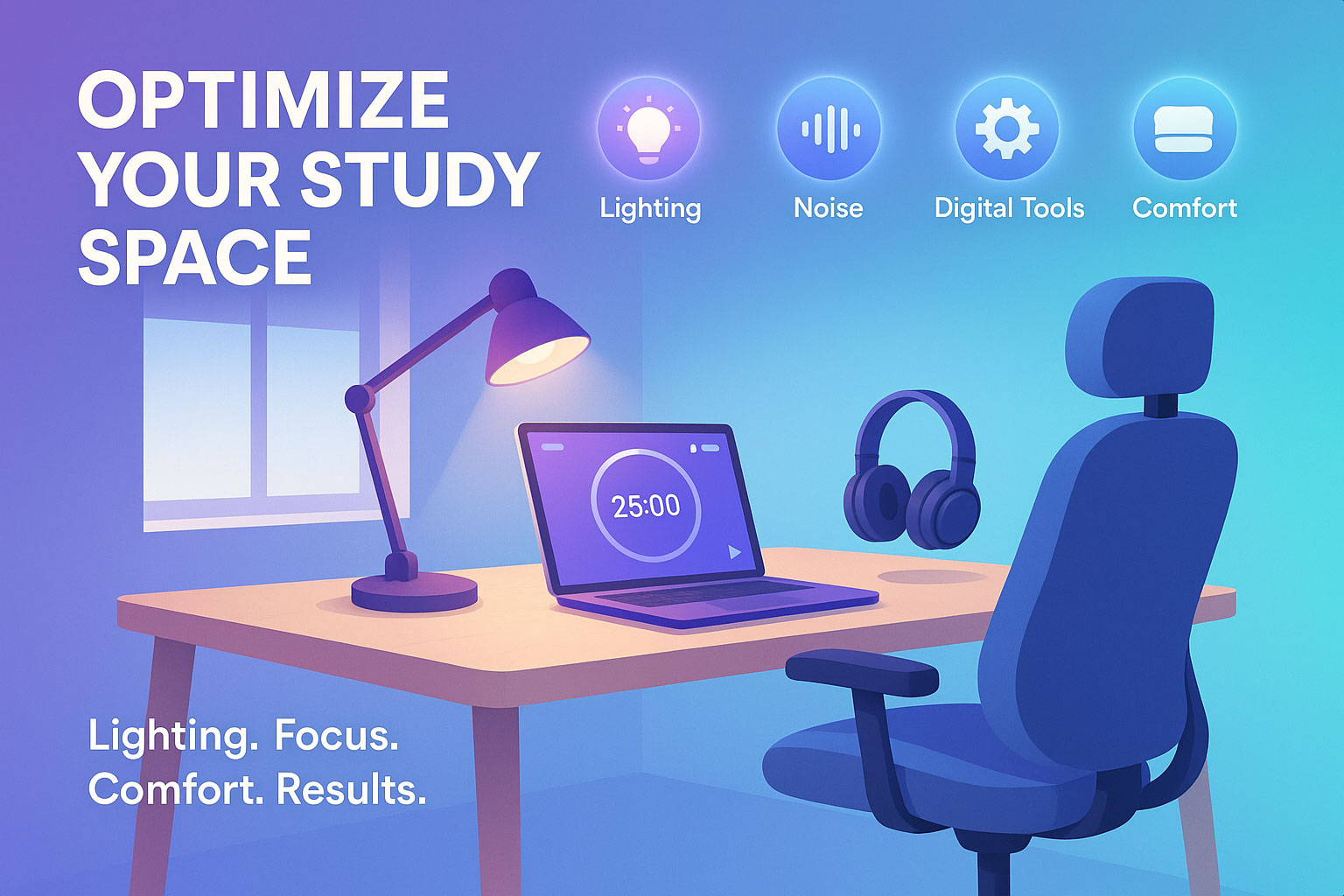
When I was cramming for finals during my second year in college, I realized something wild: it wasn’t my lack of motivation, it was the environment. I had good notes. I wasn’t lazy. But everything around me was working against me cluttered desk, constant noise, crappy lighting. That one moment led me down a rabbit hole of trial, error, and eventually something that resembled success.
We all want to focus better, retain more, and feel less like our brains are melting. But most of us ignore the conditions that make or break those goals. That’s the problem. And no, just buying a cute desk plant isn’t enough.
Here’s what I figured out through research, teaching, and real-world failures: optimizing your study environment can radically change your learning outcomes. Like, dramatically. And it’s not about perfection, it’s about knowing what matters.
Here’s what we’ll unpack:
- Why lighting, noise, and furniture are low-key powerful
- The surprising role of tech (and when it messes you up)
- How psychology and digital structure help you retain more
- Lessons from deep learning, actual classrooms, and my own chaotic setups
- Real frameworks you can use today, not someday
Whether you’re learning English in a classroom or grinding out an online course solo, this is your guide. Real experience, legit data, no fluff.
What Makes a Study Environment “Optimized” Anyway?
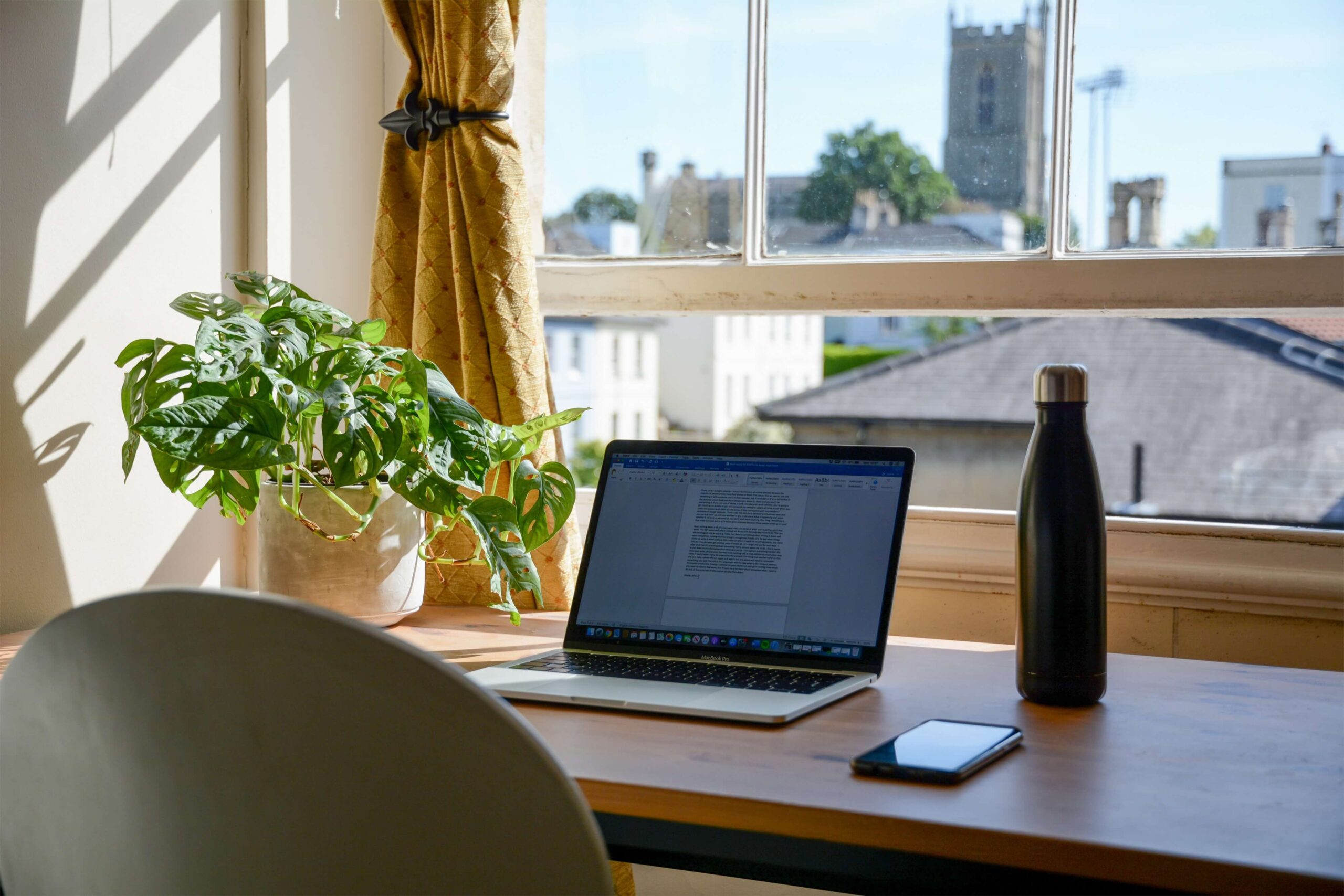
The term sounds fancy, but it’s pretty straightforward. An optimized study environment is any space physical or digital that helps your brain stay alert, your body stay comfortable, and your focus stay locked. And yeah, it’s different for everyone. But some things? Universal.
Lighting and Comfort Aren’t Just “Nice to Have”
I used to study under one of those harsh white LEDs. Gave me headaches. Switching to natural lighting during the day (and warmer bulbs at night) straight up changed how long I could concentrate.
Ergonomics too. Get your chair height right. Make sure your screen isn’t six inches from your face. If your body is tense, your brain’s gonna bail fast.
Physical vs. Digital Ecosystems
Let me ask: is your desktop a mess? Do you have 28 tabs open? Clutter isn’t just physical. An optimized study space also means streamlining what’s on your screen. Block distractions. Use fullscreen mode. Keep your digital tools sharp and your mind sharper.
If you’re trying to structure your digital setup better, especially during intense review periods, pairing it with strong exam preparation tips can help you stay sharp while minimizing overwhelm.
The Role of Technology: Tool or Distraction?
Here’s the kicker. Tech can make your study time 5x better or 10x worse. Depends how you use it. I’ve been burned by both.
When AI Gets It Right (and When It Doesn’t)
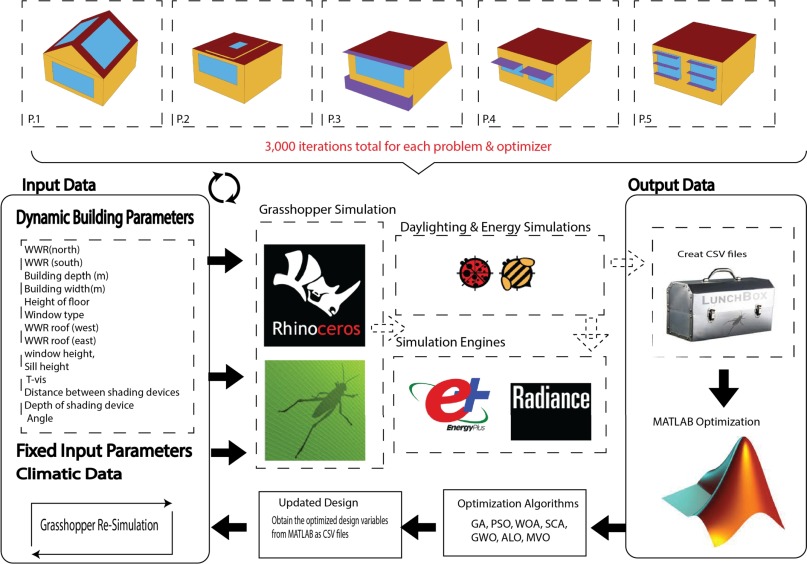
Deep Neural Networks (DNNs) sound super nerdy, but they’re actually doing cool stuff in education. They help detect where students struggle, then adjust what gets taught. Think of it like a GPS for your learning. Adaptive platforms like these are showing real results especially in language learning where everyone’s needs are different [source].
Online Platforms That Actually Help
Too many digital courses are just glorified YouTube videos. But platforms with layered, feedback-driven tasks and real testing? Total game changers. One I tried broke lessons into small interactive “missions” it kept me way more engaged than endless video lectures ever did.
And if you’re exploring digital resources to upgrade your learning space, consider these digital tools for studying that offer more than just screen time they actively support your focus and memory.
Ecological & Psychological Conditions: Where It Gets Real
This part blew my mind. It’s not just about quiet rooms and comfy chairs. Your study environment includes your emotions, energy, even your beliefs about learning.
Creating a Supportive Atmosphere (Not Just “Motivation”)
I learned more when I felt safe to fail. Encouragement from a teacher or community makes a bigger difference than you’d think. And in digital classrooms, that vibe has to be built into the feedback loops and course design. One prof I worked with used regular reflection check-ins students shared where they were stuck, not just their scores. Genius.
The Systemic Approach (Balancing All Parts)
Optimization isn’t just switching to a better lamp. It’s about how goals, feedback, methods, and tools all work together. I love the “balanced ecosystem” model from David Publisher it emphasizes harmony between human interaction and tech [source].
| Element | Optimized Practice |
|---|---|
| Lighting | Use natural light where possible; soft LEDs for evenings |
| Noise | Noise-cancelling headphones or lo-fi background tracks |
| Digital tools | AI-based adaptive platforms with testing & feedback loops |
| Physical setup | Adjustable chairs, screen positioning, clear surface |
| Emotional climate | Encouraging feedback, reflection tools, safe failure |
Next up, I’ll show how college English programs are applying these methods and how you can swipe their best tactics whether you’re in class or not.
College-Level Strategies You Can Steal (Even If You’re Not a Student)
When I was tutoring a group of college students learning English, I noticed something wild the ones using structured, tech-supported, layered learning setups were outpacing everyone else. And fast. But here’s the kicker: they weren’t doing more work, just working smarter.
University classrooms are quietly evolving. And these upgrades? Totally stealable.
Stratified Teaching with Online Integration
This just means students get sorted by skill level then supported with personalized material online. Not harder, just more targeted. I worked with a freshman who jumped two language levels in one semester thanks to a course that combined in-person discussions with AI-backed pronunciation drills. She even practiced with avatars simulating real conversations [source].
Dynamic Learning Platforms
Some of the best classrooms I’ve seen use platforms that constantly adapt. They don’t just spit out quizzes. They watch patterns, offer instant feedback, and let instructors tweak based on group needs. It’s like having a smart co-pilot.
This approach mirrors many of the principles used in active learning methods, where hands-on, feedback-driven engagement makes students retain more without needing to grind longer.
Cross-Cultural & Communication Focus
In English learning, environment isn’t just about grammar drills. It’s about exposure to language in use debate, storytelling, idioms. One course had students join weekly video chats with peers abroad. Messy? Sometimes. But the boost in fluency? Unreal.
Don’t Ignore These Easy Wins
I used to think optimization meant redoing your whole room. Nope. Some tiny tweaks made a huge difference for me. Here’s what I wish I did earlier.
Control Noise, Don’t Just Escape It
White noise apps were a game-changer for me. Even now, I’ll flip on “coffee shop hum” or soft rainfall when things get loud. Your brain stops noticing it after a few minutes and suddenly, you’re locked in.
Give Your Eyes a Break
Digital eye strain is real. I use the 20-20-20 rule now: every 20 minutes, look 20 feet away for 20 seconds. It works. So does dark mode at night and blue light filters after 8 PM.
Use Physical Triggers
Here’s one that felt silly but works: I have a specific candle I only light when I study. Scent becomes a cue. Same for a playlist, or even a study hoodie. These little triggers set the tone without you realizing it.
Answering What Everyone Asks
What is the most important factor in optimizing a study environment?
Honestly? Consistency. Fancy setups don’t matter if you’re always jumping between places or distractions. Whatever you choose, stick to it long enough for your brain to build a habit there.
How can technology improve the study environment?
It can personalize learning, reduce guesswork, and boost engagement. AI can surface weak points faster than humans. But it only helps when used intentionally not when you’re bouncing between TikTok and a quiz app.
Does a clean space really help with focus?
Totally. Clutter isn’t just visual it drains your working memory. Even one clear surface and a tucked-away phone made me study 40% longer, no joke.
Can study environment optimization apply to group work?
Absolutely. Whether it’s Zoom or a classroom, creating shared focus cues (like scheduled breaks, shared agendas, quiet signals) makes collab way smoother.
So, What’s the Takeaway?
Look, studying well isn’t just about “trying harder.” I used to think I needed more willpower. But I just needed less friction. A few key changes lighting, noise control, tech strategy, layout made everything smoother. And more fun.
What really shifted it for me was this mindset: “What if it’s not me it’s the setup?” Because once I gave myself permission to adjust the space instead of blaming my brain, I learned better. Faster. Deeper.
If you’re reading this, you probably already care about learning. So go further. Tweak your space. Try a platform. Change your playlist. And when you do shoot me a message and tell me what worked.
Optimizing your study environment doesn’t just change your grades. It changes your relationship with learning itself.