
Time Tracking for Self-Improvement: A Practical Guide

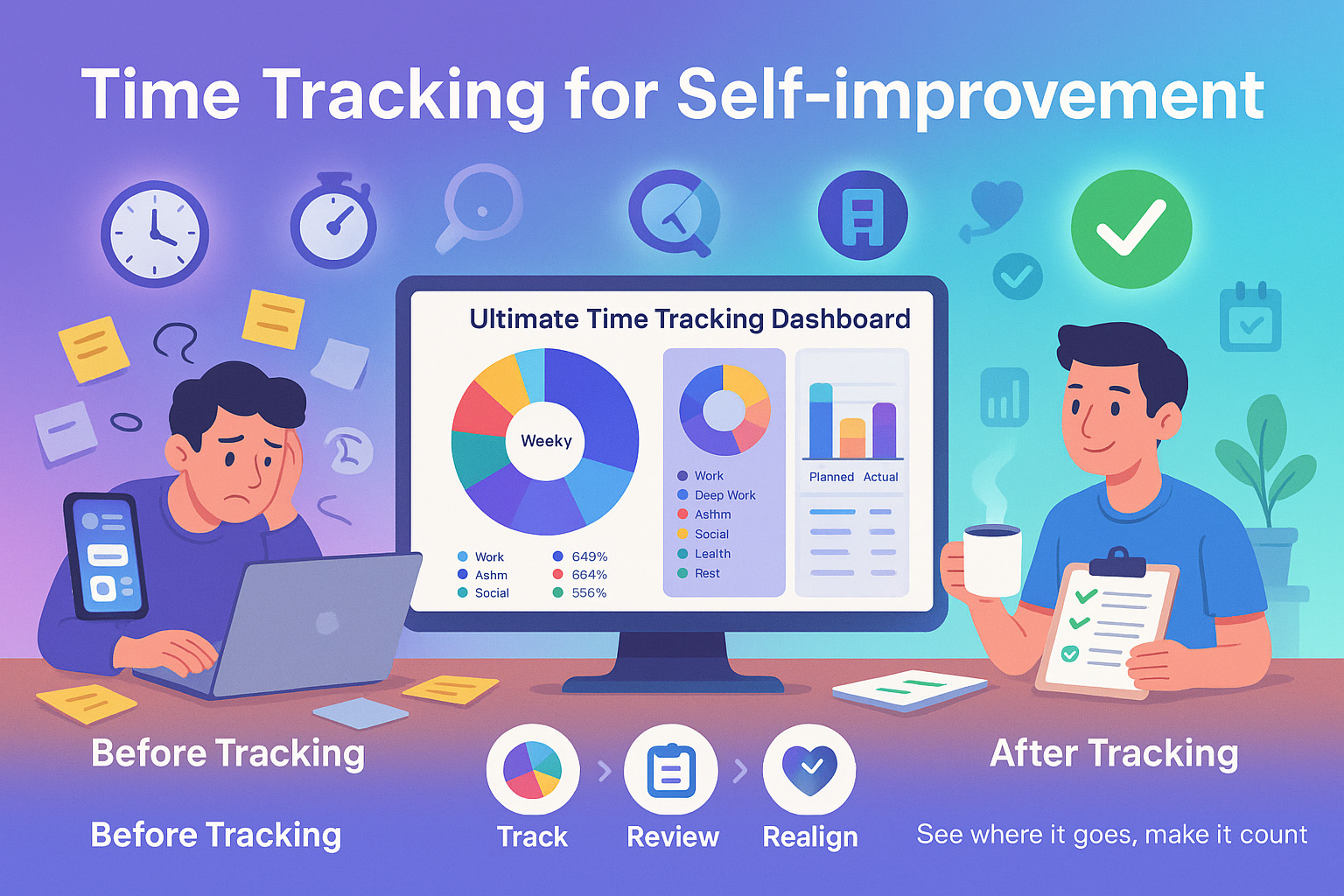
I used to think I was busy. Always hustling, always tired but never quite sure where my day went. Sound familiar? That was me before I started tracking my time. I thought I was getting things done until a simple app showed me just how much of my day was leaking away through social media, mindless tasks, and procrastination loops. Suddenly, the truth was visible and that truth changed everything.
We often feel productive but don’t always have proof. That disconnect holds us back from real growth. Whether you’re trying to pick up a new skill, get fit, read more, or just feel in control of your day time tracking is the missing piece. It’s not about micromanaging yourself; it’s about showing yourself the truth and making intentional choices.
- What time tracking really means (it’s not just clocks and calendars)
- Benefits I didn’t expect when I started logging my hours
- My favorite tools and how they compare in real use
- How I adjusted my goals after seeing my actual patterns
This guide is packed with real talk, practical tools, and honest insights. I’ll walk you through how to track your time in a way that serves your growth not your guilt. We’ll go deep into mindset, strategy, and daily practice so that by the end, you’ll know exactly how to make your time reflect what matters most.
If you’ve never tried it before, time tracking fits perfectly into any time management for students or professionals system because it’s not about controlling every minute, it’s about finally seeing where they go.
What Is Time Tracking and Why It Matters
Time tracking is basically keeping tabs on what you’re doing and when. But it’s not about being strict or robotic. It’s about waking up to your reality how much time you’re actually giving to the things that matter.
When I first started, I noticed something wild: I thought I was working on my blog for 3 hours a day. Turns out, it was barely 40 minutes broken up into distracted chunks. The rest? Drifting between email, messaging, and scrolling.

The Psychology of Time Awareness
Just noticing where your time goes creates a shift. Your brain starts spotting patterns. You feel less out of control. When I finally saw I was spending two hours a day doomscrolling, I didn’t beat myself up I just adjusted. And that awareness? It rippled into everything else.
Time Tracking vs. Productivity Hacks
I’ve tried Pomodoro timers, to-do list marathons, even the infamous “wake up at 5am” club. Nothing stuck like time tracking. Why? Because it’s rooted in truth. Instead of trying to be more efficient, you become more aligned working when you have energy, resting when you need it, prioritizing based on reality.
Benefits of Time Tracking for Self-Improvement
The first week I tracked my time, I didn’t change anything I just watched. That week told me more about my habits than a year of goal setting.
Increased Awareness & Clarity
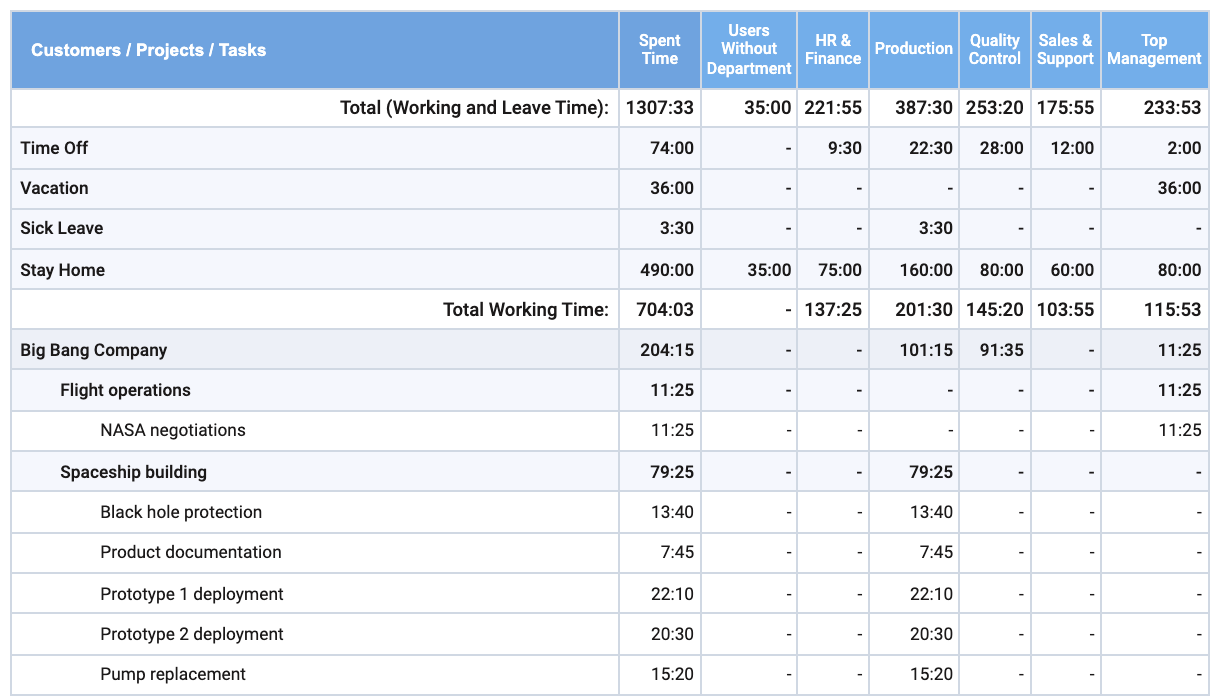
Think of time like money. You wouldn’t create a budget without knowing your income or expenses. Same thing here. Awareness gives you the power to ask better questions: “Do I really want to spend five hours a week rewatching old sitcoms?”
Identifying Time Wasters
For me, it was messaging apps. Constant little check-ins that added up to 90+ minutes a day. Once I saw it, I moved most convos to one daily batch and freed up an hour for reading. I wouldn’t have even known if I didn’t track.
Discipline, Focus & Accountability
Once you’ve got data staring you in the face, it’s hard to lie to yourself. That builds this quiet kind of discipline not forced, just natural. You know what matters. And the focus comes from removing what doesn’t.
How to Start Tracking Your Time
You can start simple with a notebook or go digital with tools like RescueTime, Clockify, or Toggl. I break my log into categories: work, deep work, admin, social, health, and rest. Even tracking “screen scroll” made me rethink my habits.
Once you’ve got a week of data, you can begin slotting your most important work into time-blocked schedules, making sure your day reflects your priorities instead of distractions.
Choosing Your Method
I started with RescueTime and later switched to Clockify when I needed more manual control. Others love Toggl. Here’s a breakdown:
| Tool | Type | Best For | Free Plan? |
|---|---|---|---|
| RescueTime | Automatic | Awareness of digital habits | Yes |
| Clockify | Manual & timer | Freelancers & personal use | Yes |
| Toggl | Manual & team | Project-based tasks | Yes |
Categorizing Your Time
Once I picked my tool, I created categories: work, deep work, admin, social, health, screen scroll, rest. Tracking “screen scroll” felt weird at first but eye-opening. It forced me to own my distractions instead of pretending they didn’t happen.
Daily and Weekly Review Habits
Sunday night is when I sit down, look at my time log, and write three notes:
- Where did time go that felt wasted?
- Where did time go that felt aligned?
- What one small thing can I shift next week?
These little check-ins changed everything. It’s not about judging myself just learning and adapting.
Examples of Time Tracking in Self-Improvement Goals
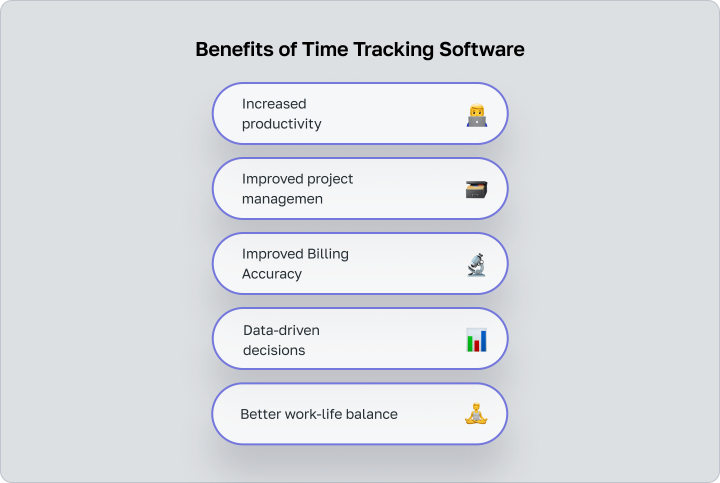
I used to think goals just needed more motivation. But tracking showed me they needed more visibility. Here’s how time tracking supports real growth across different areas of life.
Learning and Education
When I decided to learn Mandarin, I logged every minute I spent on listening, flashcards, conversation, and review. It was messy at first, but over time, I saw which methods worked best. Duolingo wasn’t doing much. Watching Chinese dramas with subtitles? Way more effective. Tracking helped me double down on what worked and ditch what didn’t.
Fitness and Physical Goals
I log every workout not just time but also effort. Even my rest days go into the chart. Why? Because consistency is what builds habits. Not perfect days, just tracked ones. I use time logs to spot energy trends too. For me, workouts hit harder around 11am than early morning. That’s insight I wouldn’t have found without data.
Digital Detox and Focus
One of the biggest wins was screen time. After I started logging phone usage manually (yes, even the late-night scrolling), I was horrified. But it made reducing it feel like a challenge, not a punishment. I now have a 2-hour daily screen window for non-work stuff and the time savings go to reading or journaling.
Tips to Stay Consistent with Time Tracking
At first, I’d forget to track. Or feel silly logging “watched YouTube shorts for 45 min.” But staying consistent got easier when I ditched the idea of being perfect and just got honest.
Start Small and Be Honest
Don’t try to track every second of your day from day one. Just start with chunks mornings only, or track your evenings. The point isn’t precision. It’s self-honesty. If you spent 90 minutes watching random food videos, write that down. That’s where the growth begins.
Use Visual Tools
Nothing hits harder than a pie chart of your week. I use Clockify’s visual dashboard and sometimes toss it into a spreadsheet for custom graphs. Seeing where my time actually goes gave me the push I needed to realign with my priorities.
Align Time Use with Values
I once listed my top 5 values: creativity, family, health, focus, learning. Then I compared it to my time log. Brutal mismatch. So I started tracking with those values in mind. Now when I log time, I tag it with a value it supports. It’s a small step, but it makes my day feel purpose-driven instead of scattered.
FAQ
What is the best time tracking app for personal growth?
It depends on your style. If you want passive tracking, go with RescueTime. Want more control and tagging? Clockify is free and solid. Project-based folks love Toggl. Try a few and stick with the one that feels easiest to review consistently.
How often should I review my time tracking data?
Weekly is the sweet spot. I do a mini-review on Sunday evenings 15 minutes max. Monthly overviews can help with big shifts too. But if you review too often, it turns into micromanagement. Give your habits room to breathe, then tweak.
Can time tracking reduce burnout?
Yes, and it did for me. When I saw I was “working” 10 hours a day but only getting 3 hours of focused output, I stopped blaming myself. I changed my schedule, added breaks, and protected deep work time. It’s not about working more it’s about working with intention.
Recap of Key Points
Tracking your time isn’t just a productivity trick it’s a mindset shift. It shows you the gap between your intentions and your actions. Once you see it, you can change it. I’ve used time tracking to build habits, hit goals, and, more importantly, forgive myself for all the ways I was wasting time unknowingly.
Final Takeaway
You don’t need to be perfect. Just curious. Start with 3 days. Track honestly. Review gently. This practice has helped me show up more for my goals, my family, and myself and it might do the same for you.
Closing Thought
Your time is your life in motion. And every time block you track is a chance to live it with more meaning. Don’t track to control. Track to connect with who you are, and who you want to become.