
Morning Routines That Boost Productivity

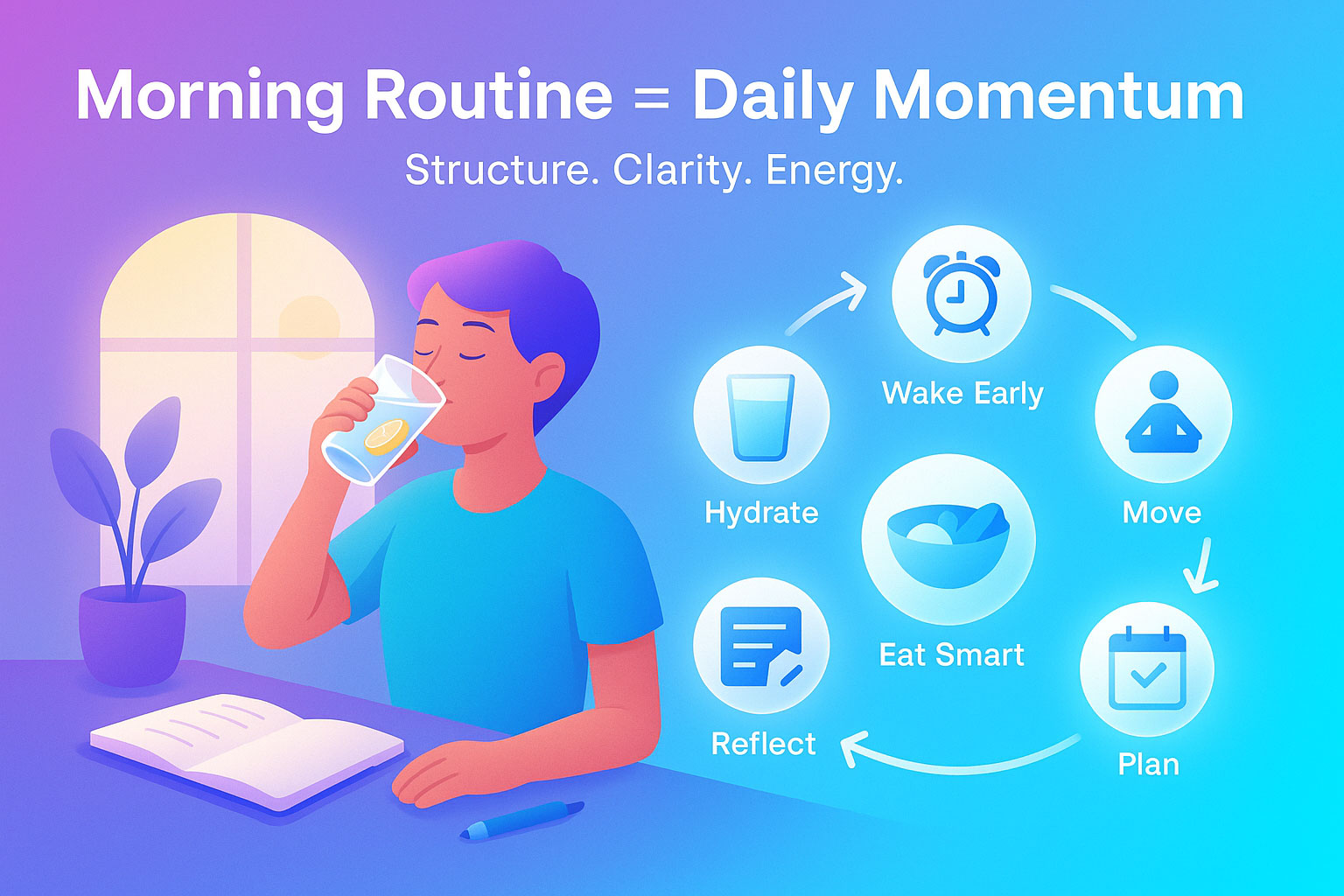
Some mornings feel like I’m in complete control. I wake up early, sip lemon water, stretch, and knock out key tasks before most folks even brush their teeth. Other days? It’s a blur of scrolling, spilled coffee, and wondering where the last hour went. Sound familiar?
We all want to be more productive,but the way we start our mornings makes all the difference. The problem is, most advice is either way too strict (5AM club, really?) or vague (“just meditate”).
So here’s what actually works: science-backed habits, personalized to your life,not someone else’s,and a structure that’s flexible, not rigid. If you’re juggling multiple responsibilities, the strategies in Time Management for Students can help you align habits and structure effectively.
In this article, I’ll break down:
- Why your morning routine shapes your entire day
- The six habits that make mornings powerful
- Real-life examples from different lifestyles
- A guide to customizing your own routine
If you’re tired of chaotic starts, let’s build something better together,something that feels yours.
Why Your Morning Routine Matters
Scientific Benefits of Consistent Routines
Back in my early twenties, I believed staying up late and sleeping in made me creative. Turns out, my brain needed rhythm, not rebellion. Our circadian rhythm,basically our body’s internal clock,runs better when we stick to consistent wake-up times. Research shows routines lower cortisol (stress hormone) and improve decision-making throughout the day.
Productivity and Mental Performance
The hours between waking and lunch? They’re prime time. According to a 2020 study from TrackingTime, those with structured morning habits had 22% higher focus retention by midday compared to those without one. When I started journaling and planning my day in the morning, I found myself hitting deadlines with less stress,and fewer snacks. You’ll see why. For more on effective planning, check out Morning Routines That Boost Productivity for full breakdowns.
Key Components of a Productive Morning Routine
Wake Up Early
I used to think waking up at 7:30 was a win. But when I started getting up at 6:00,without hitting snooze,I gained an hour to myself. Quiet. Peace. No notifications. Early rising isn’t magic, but it gives you time to act instead of react. Whether it’s 5:30 or 7:00, consistency beats the hour.
Hydrate First Thing
Before coffee. Before scrolling. I drink a tall glass of water with a slice of lemon. Why? You lose water while you sleep,about a pound worth. Hydration wakes your system up, fires your digestion, and improves brain function. Damien Frearson recommends it too, and I swear it makes me feel more alive than espresso.
Move Your Body
Movement doesn’t have to mean an hour-long HIIT session. I stretch for 5 minutes, then do 10 minutes of yoga or a walk. On days I skip it? I’m groggier and way more anxious. Just getting the blood flowing releases endorphins (the “feel-good” hormones) and boosts mental clarity. Monitask research backs this up,early movement increased work output by up to 15%.
Eat a Nutritious Breakfast
I used to skip breakfast and dive into email,bad idea. I’d crash by 10:30. A solid breakfast with protein, healthy fat, and slow carbs keeps energy levels stable. Think eggs + avocado toast, or oats with chia and almond butter. Your brain runs on glucose, but you don’t want a sugar spike. Smart fuel, smart brain.
Mindfulness Practices
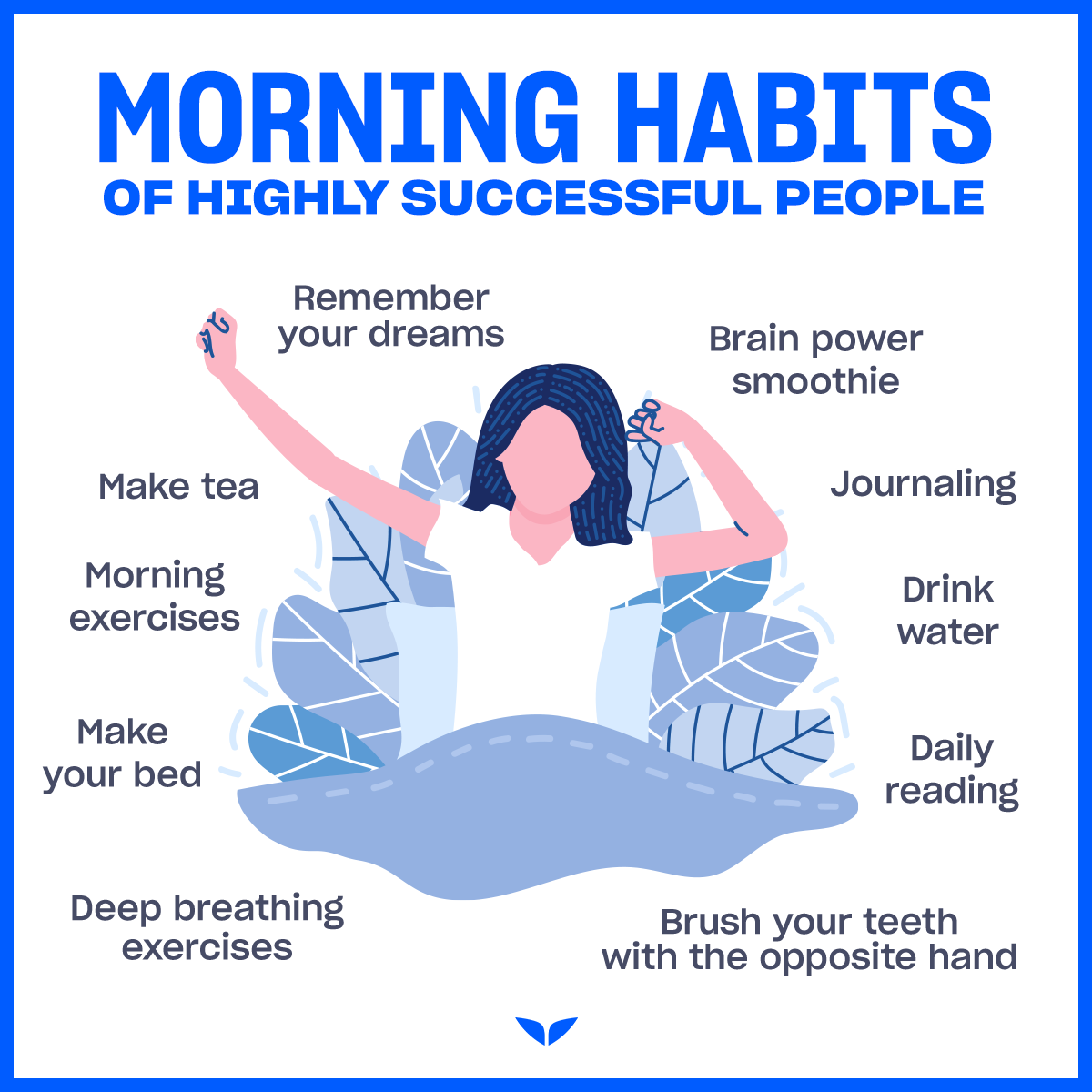
This one changed everything for me. Ten minutes of journaling or meditation helps me slow down, reflect, and reset. I jot down 3 things I’m grateful for and 1 thing I want to focus on. Sunsama’s report showed mindfulness practices cut afternoon stress by 32%. I’d agree,it’s like emotional armor for the day ahead. Need help building these habits? Explore Weekend Time Management Strategies for weekend resets and mental rest tips.
Plan Your Day
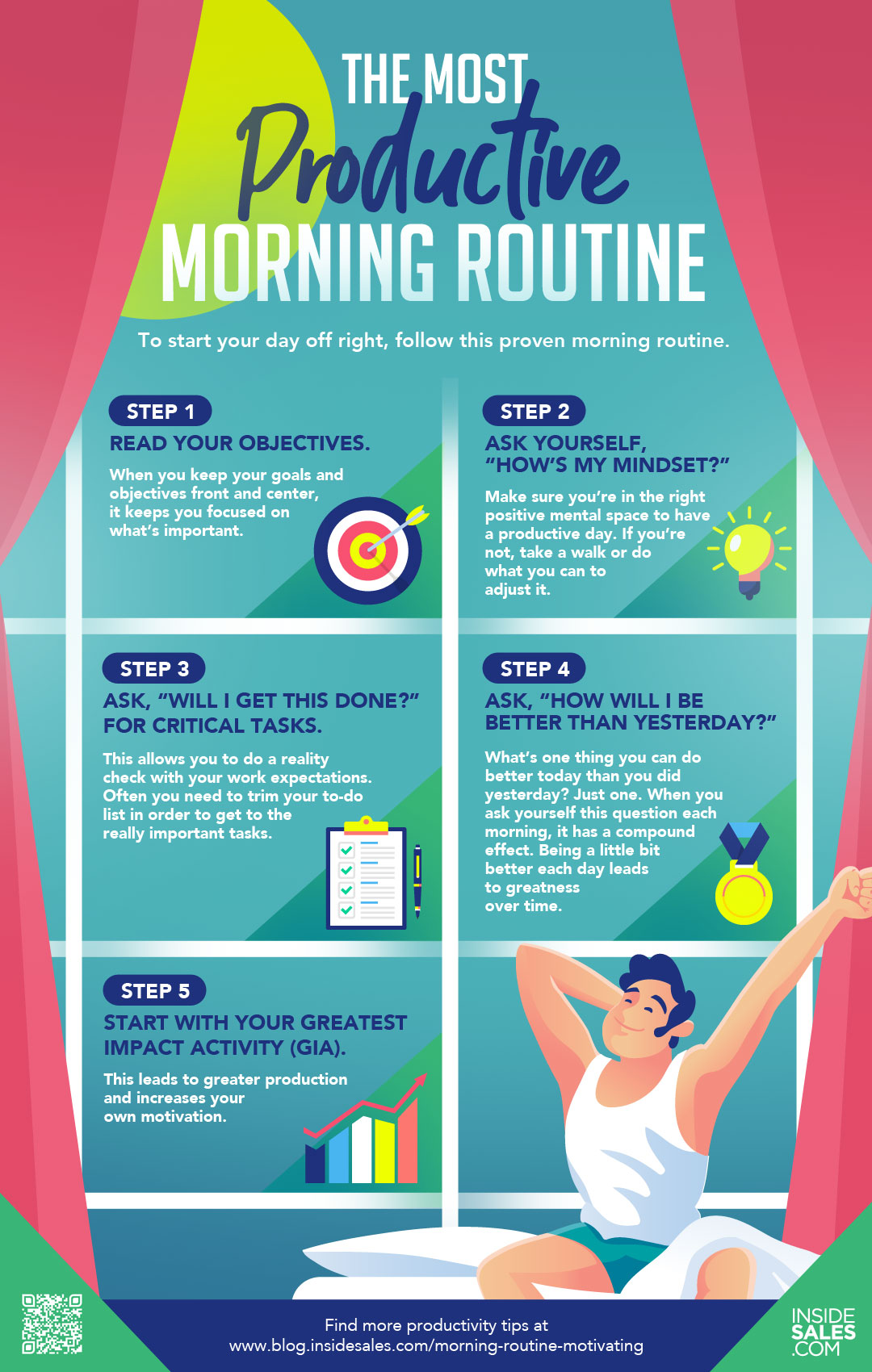
Before I started planning my day in the morning, my calendar ruled me. Now, I take five minutes to list my top three priorities using the Eisenhower Matrix: Urgent/Important gets done first. It’s simple, visual, and makes sure I don’t just chase fires. Ross Education also recommends this, and honestly, I’ve never felt more in control.
Examples of Morning Routines
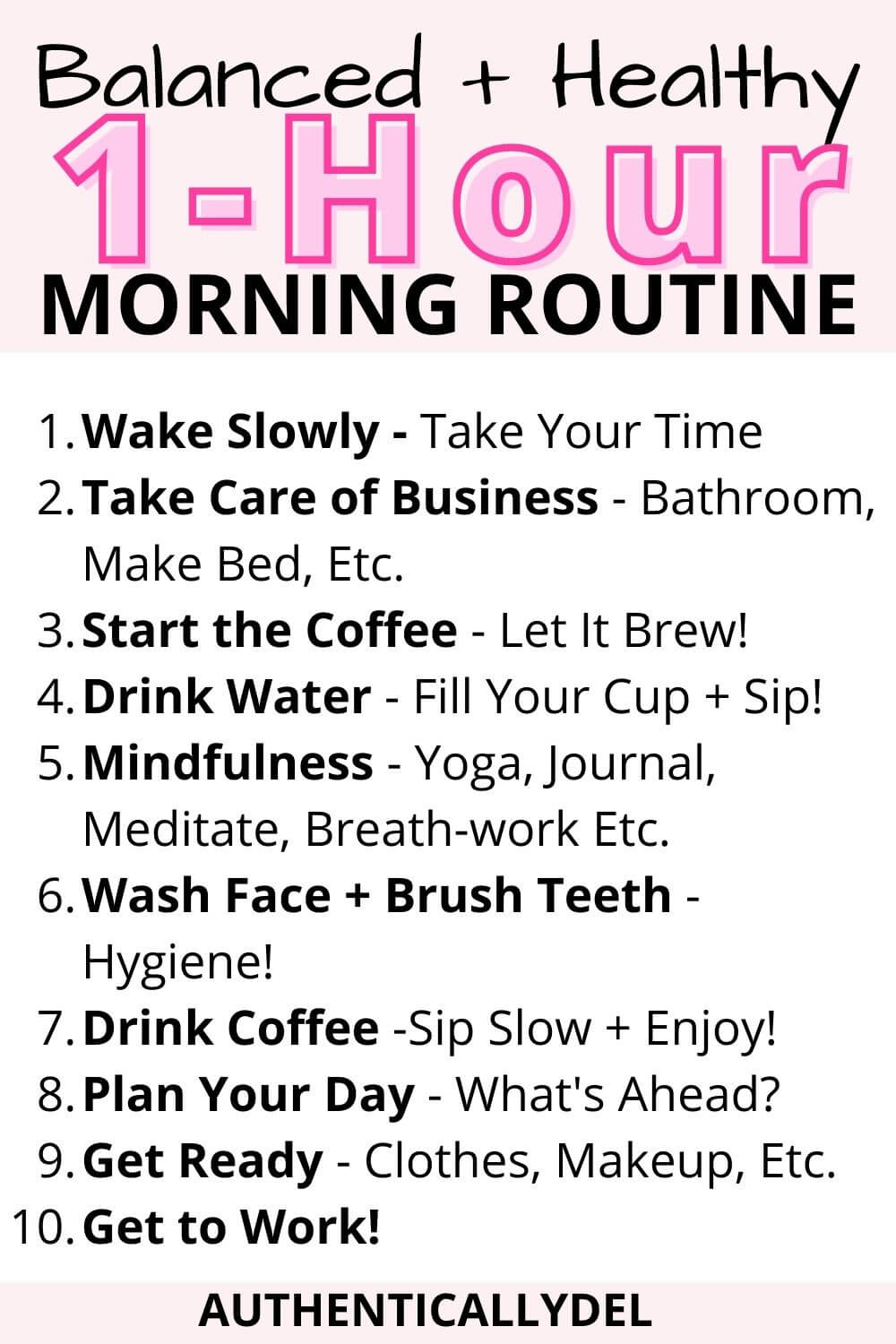
The 1-Hour Power Routine
This is what I follow most weekdays:
| Time | Activity | Why It Matters |
|---|---|---|
| 6:00 | Wake, drink lemon water | Hydration & clarity |
| 6:10 | Stretch or yoga | Physical activation |
| 6:25 | Mindful journaling | Emotional clarity |
| 6:35 | Healthy breakfast | Brain fuel |
| 6:50 | Task planning (3 priorities) | Focus & intention |
Minimalist Routine for Busy People
Not everyone has a full hour. If I’ve got back-to-back meetings, I trim it to 20 minutes:
Water, 3-minute stretch, protein bar + coffee, jot down 1 top priority. Boom. Still sets the tone.
Tech-Free Start Routine
For folks who wake up anxious, this one helps: no screens for 30 minutes. Instead, breathe, move, journal, or just sit with your tea. It’s wildly freeing. A 2021 survey by TrackingTime found people who avoided screens early reported 19% less stress throughout their day.
How to Build a Personalized Morning Routine
Understand Your Chronotype
Some people are natural early risers. Others peak at night. That’s your chronotype. I’m a “bear” chronotype, which means my best focus is mid-morning. I don’t force 5AM starts. Use tools like the Sleep Foundation’s chronotype quiz to find yours, then work with,not against,your body.
Habit Stacking & Implementation
Habit stacking means tying a new habit to something you already do. For example, “after brushing teeth, I stretch for 2 minutes.” James Clear popularized this. I used this trick to start journaling,I stacked it with my morning coffee.
Track, Review, Adjust
Track what works. I use a paper tracker with checkboxes, but apps like Streaks or Notion work too. Every Sunday, I review: Did I stick to it? How did I feel? What dragged me down? That awareness is how my routine evolved from chaotic to calm.
This methodology pairs well with planning tools like How to Set SMART Goals for Academic Success to align focus habit with purpose.
What is the best time to wake up for productivity?
The best time is the one you can keep consistently. Some thrive at 5:30 AM, others at 7:00. What matters most is aligning your wake-up time with your natural energy peaks and giving yourself time for purposeful action before distractions hit. Early isn’t always better,steady is.
How long should a morning routine take?
It depends on your lifestyle. Some folks need just 15–20 minutes to reset. Others want a full hour of reflection, planning, and movement. The sweet spot is whatever leaves you feeling grounded,not rushed,before your day ramps up. Even 10 intentional minutes can shift your mindset.
Can I be productive without waking up early?
Yes, 100%. Some of the most productive people I know are night owls who do deep work at midnight. But they still have a routine,it just starts later. The goal isn’t early for early’s sake, it’s ownership over your first moments. That sets the tone no matter the hour.
How do I stay consistent with morning habits?
I struggled here too. What finally helped? Making my routine so small I couldn’t fail. One glass of water. One line in a journal. One sun salutation. I also kept a tracker on the fridge, checked it nightly, and gave myself grace when life got messy. It’s about progress, not perfection.
Recap of Key Points
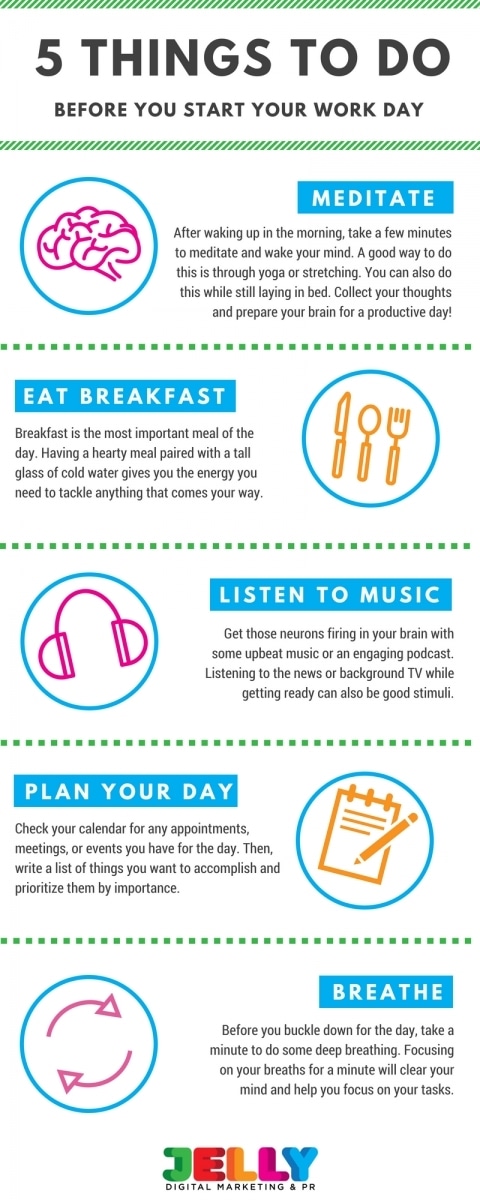
We’ve walked through how structured mornings can sharpen your focus, uplift your energy, and build a sense of daily intention. You learned the six key habits that power up mornings: consistent wake time, hydration, movement, mindful reflection, nutritious fuel, and task planning.
Final Takeaway
You don’t need a perfect morning to be productive. You need one that supports who you are and the life you live. Pick one habit. Try it tomorrow. Notice how you feel. Then build from there.
Closing Thought
I’m not always consistent. Some mornings still go sideways. But I always come back to the routine that makes me feel most like me,clear, calm, ready. That’s what I want for you too. Not someone else’s version of success. Yours.