
How to Create a Weekly Study Schedule That Actually Works

I used to think I could keep it all in my head. Assignments, tests, projects, part-time work, family plans,just juggle it all. But I’d forget something important every week. Sound familiar?
Eventually, I hit my breaking point: missed a quiz, forgot a project deadline, and cried in the middle of a silent study hall. I knew something had to change. That’s when I tried building a weekly study schedule. Not a perfect one, just something to see if it helped. It did. It helped so much I never went back.
It wasn’t just about staying organized. My sleep improved. My weekends felt restful, not guilty. My grades? Let’s just say they finally reflected how much I actually cared. The structure gave me breathing room.
Here’s what I’ll walk you through:
- Why a weekly study schedule can change everything
- The exact steps I followed to build mine (with real examples)
- Tips to keep it flexible and sustainable, even during chaos
- Templates, tools, and free resources you can start using today
If you’re tired of cramming and always being “a little behind,” this is your reset button. Let’s make time work for you, not against you.
Why You Need a Weekly Study Schedule
Let’s be honest. School doesn’t really teach us how to organize school. Between deadlines, group work, and life stuff, it’s a lot. And without a plan, it’s easy to stay busy but get nowhere.
I didn’t realize how much mental weight I was carrying until I wrote it all down. Seeing my commitments in a weekly view helped me stop overbooking myself,and also showed me where I was wasting time.
Planning your week ahead is one of the most practical applications of time management for students, especially when juggling multiple responsibilities. It ensures you’re working with intention, not just reacting to the chaos.
Research backs it up too. Students who plan out their week tend to perform better academically and report lower stress levels.
And the best part? You don’t have to do it perfectly to get the benefits. You just need to start.
Step-by-Step Guide to Building Your Study Schedule
Step 1: List All Non-Negotiable Commitments
This is your base layer. Before you plan study time, you need to know what’s already locked in,classes, work shifts, sports, family time. I pulled up my Google Calendar and color-coded everything non-negotiable in red. It was humbling.
I also included commute time. That chunk adds up. And I blocked sleep hours too. You can’t study well on fumes.
Step 2: Prioritize Subjects Based on Difficulty
Not all classes are equal. Some require triple the brainpower. I rated each course from 1–5 based on how confident I felt, then gave the tougher ones more space during my peak brain hours (for me, that’s before lunch).
Math and science got longer blocks. Art history? Shorter reviews. This isn’t about being “fair.” It’s about being strategic.
Step 3: Set Weekly Study Goals
This part was new for me. Instead of vague “study chemistry,” I wrote “review chapters 4–6 and redo last quiz problems.” Clarity changes everything. I kept goals visible in the margin of my planner. Crossing them off felt amazing.
Each Sunday, I reviewed what I finished and adjusted the upcoming week. Some weeks I overestimated. That’s fine. The habit of checking in matters more than getting it perfect.
Step 4: Allocate Study Sessions with Buffers
Here’s what I learned the hard way,study blocks always take longer than expected. So I started building in 15-minute buffers. That one tweak saved my whole schedule.
Sessions were 45–90 minutes depending on the task. Shorter for reading, longer for problem sets. And I used the Pomodoro Technique (25 minutes work, 5 minutes break) for dense material. If I finished early, I used the extra time to review flashcards or stretch.
Want a guide to implement Pomodoro effectively? Check out our post on The Pomodoro Technique for Students.
Step 5: Vary Subjects Daily
I used to study the same subject for four hours straight. Burnout city. Now I rotate subjects every day. It’s like brain cross-training. Keeps things fresh, and actually helps memory.
On Tuesdays, I’d do math in the morning, English at night. Wednesdays were reversed. That variety helped me avoid the “I hate this subject” spiral.
Step 6: Include Breaks, Meals, and Downtime
This one’s non-negotiable. Breaks aren’t laziness,they’re strategy. I used to skip meals to cram. It never worked. Now I build in breaks, and I actually get more done.
I schedule lunch and dinner just like study sessions. I also pencil in 30 minutes to scroll TikTok guilt-free. Your brain needs rest to store what you just studied.
Step 7: Choose a Tool or Template
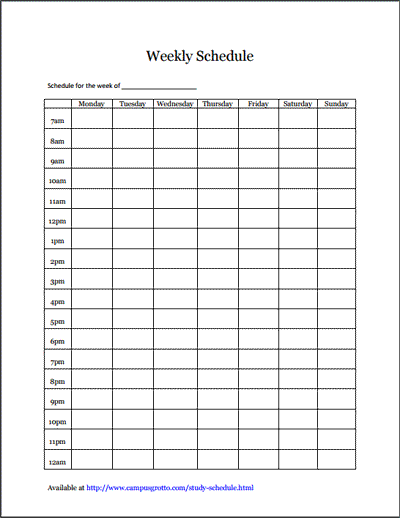
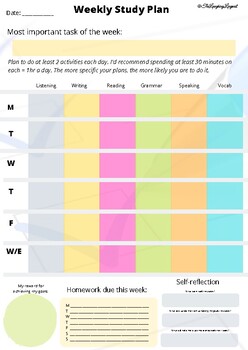
I tested a lot,bullet journals, apps, sticky notes. What stuck for me was Google Calendar with color-coded blocks. But I also printed a physical weekly template and hung it above my desk. Having both digital and visual versions helped reinforce my routine.
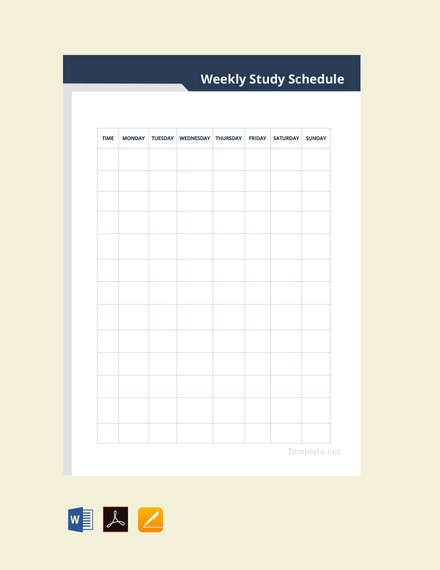
If you’re just starting, try this simple table:
| Time | Monday | Tuesday | Wednesday | Thursday | Friday | Saturday | Sunday |
|---|---|---|---|---|---|---|---|
| 8–9AM | Math Review | Free Time | English Lit | Chemistry | Science | Free Time | Free Time |
| 9–10AM | Chemistry | Math HW | Chemistry | English Lit | Math HW | Group Study | Revision |
| 10–10:15AM | Break | ||||||
| 10:15–11:45AM | Science | Project Work | History Notes | Review Session | Free Time | Assignment | Assignment |
Need a daily-format planner? Try Daily Planning Templates for Students.
Tips to Make Your Schedule Work Long-Term
Be Flexible and Realistic
I used to cram every hour with something productive,no gaps, no forgiveness. It fell apart by Wednesday. Life doesn’t follow a script. I learned to leave white space in my week. That’s where real life fits in,sick days, traffic, mental fog.
Give yourself margin. If you miss a block, skip the guilt. Just slide it to the next open space. Some weeks will be messier than others, and that’s okay.
Evaluate and Update Weekly
Every Sunday night, I take 10 minutes and look back. What worked? What didn’t? I use a sticky note system: green for “repeat,” yellow for “adjust,” red for “skip next time.”
This tiny habit keeps your schedule alive. Static schedules die fast. Living ones grow with you.
FAQ
How many hours should I study per day?
Depends on your course load, but I aim for 2–4 hours on weekdays and 1–2 hours on weekends. Quality matters more than quantity. If you’re laser-focused for 45 minutes, that’s better than zoning out for two hours.
What is the most effective study schedule?
One you’ll actually follow. For most people, that means studying when you’re alert, using short sessions, rotating subjects, and adding breaks. Use techniques like Pomodoro or spaced repetition to stay sharp.
Should I study every day or take a day off?
I recommend taking at least one full day off each week. It helps reset your brain and prevents burnout. I usually keep Sundays light,just a quick review or planning my week. That rest makes Monday feel manageable.
Final Thoughts
Let’s recap real quick. You now know why a weekly study schedule isn’t just “nice”,it’s necessary. You’ve got a seven-step process to build one, real tools and templates to work with, and tips to keep it flexible when life hits back.
If you’re still winging it every week, it’s time to switch gears. Planning isn’t about being perfect,it’s about giving yourself space to breathe, think, and grow without chaos.
The moment I stopped treating my study schedule like a chore and started using it as a survival tool? Everything changed. You’re not lazy. You’re probably just overwhelmed. This is your way out.
Start small. Start messy. Just start.