
Why Time Management Matters for Students

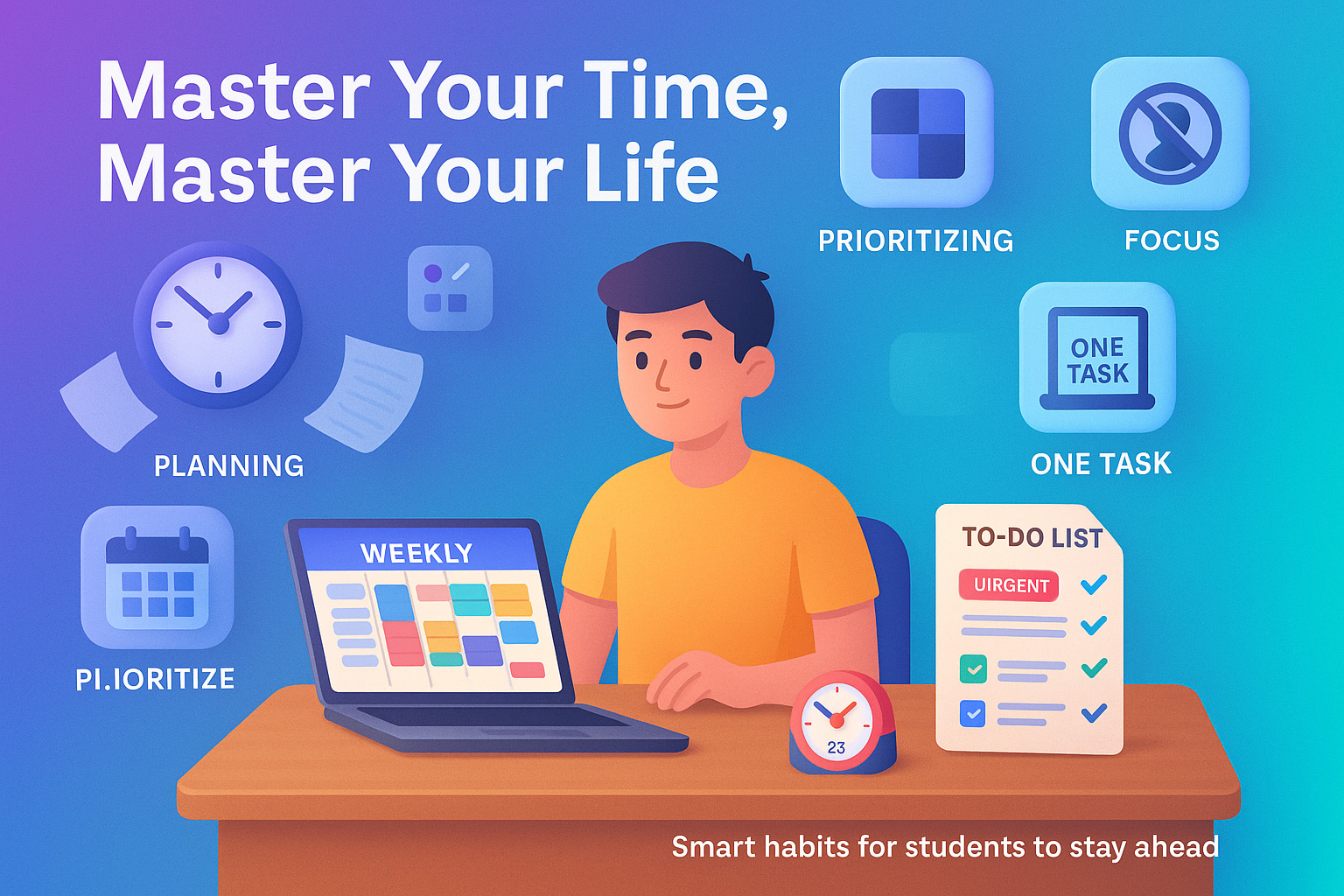
Back when I was in school, I thought time was elastic. I’d cram for exams at 2 AM, scribble assignments in a rush, and then wonder why I was always tired and behind. Sound familiar? Most students today walk that tightrope between school, social life, family expectations, and way too many notifications.
Here’s the kicker , poor time management isn’t just about forgetting deadlines. It chips away at your mental health, hurts your grades, and steals away moments that could be joyful or, at the very least, calm. If you’ve ever felt like you’re always running but getting nowhere, then yeah, this one’s for you.
So what can actually help? Smart time management. And I don’t mean boring planners or to-do lists that sit unused. I’m talking about doable habits that make you feel more in control. If you’re just getting started, these time management strategies for students offer practical ways to take control of your schedule without adding more stress. Small, consistent changes can lead to big wins over time.
- What time management actually means for students (it’s not just scheduling)
- How it boosts your grades without killing your social life
- Why it helps with mental health and stress
- How it teaches you skills you’ll use forever
If you’re tired of the scramble and want a better way to juggle everything, this article will help. I’ll also show you real-world tips, personal lessons, and one student’s story that stuck with me. Let’s dig in.
What Is Time Management?
Time management, at its core, is just how you choose to spend your minutes. It’s deciding whether you scroll TikTok for 45 minutes or use 20 of those minutes to finish that one boring-but-mandatory assignment. Sounds simple, right? It isn’t.
For students, it’s also emotional. You want breaks. You want to hang out. You don’t want to feel like a robot. But when you don’t plan at all, things pile up. Suddenly it’s 1 AM and you’re still Googling “quick study tips.”
So, time management means prioritizing , picking what really needs to get done, breaking it down into smaller chunks, and leaving space for breathing room. That breathing room matters just as much as study time. Using tools like weekly study schedules makes it easier to visualize and stick to your plan.
The Core Elements of Time Management
I like to think of good time management like a GPS. You still have to drive, but you know where you’re going and what exits to take. It’s made of:
- Planning – knowing what’s due and when, and not waiting till the last minute
- Prioritizing – deciding what’s urgent vs. what can wait (or be skipped)
- Scheduling – making space for school, friends, hobbies, sleep
One simple shift like time blocking can take you from reactive cramming to proactive control.
Time Management vs. Poor Planning
I once tutored a student who would always message me the night before his math test. No schedule, no prep , just panic. He’d tell me, “I do better under pressure.” Except… he didn’t. His stress showed. His grades didn’t improve. And he burned out halfway through the semester.
The difference is this: when you plan, you’re in charge. When you don’t, life bosses you around. You end up stressed, rushed, and missing out on things you care about.
Academic Benefits of Good Time Management
Let’s get real. You don’t want to just survive school , you want to do well, feel sane, and maybe even have fun. That’s where time management starts to shine.
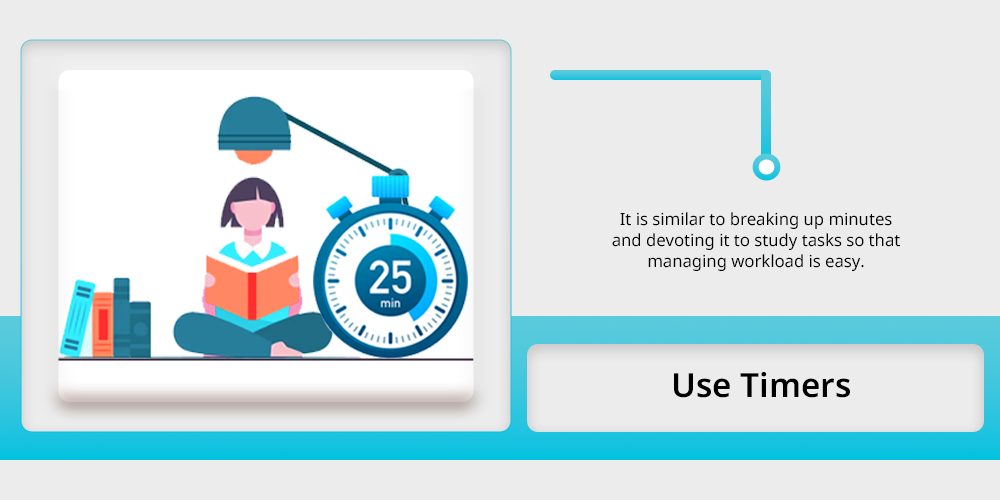
One of my favorite methods for staying on track is the Pomodoro technique, which helps you lock in for short bursts without burning out.
Improved Academic Performance
I saw my grades jump by a full letter when I started blocking out 30-minute sessions for subjects I usually ignored. I didn’t study more , I just studied smarter. Planning gives your brain time to absorb instead of cram.
Students who plan their time are more likely to submit assignments on time and feel confident during exams. That’s not fluff , that’s results.
Less Last-Minute Panic
Ever pulled an all-nighter and felt like your brain was pudding the next day? That’s what happens when you don’t give yourself time to breathe. Planning ahead means you can study in small, regular chunks. It’s less painful and way more effective.

Enhanced Focus and Productivity
Multitasking is a lie. Your brain isn’t wired to bounce between 10 things at once. When you schedule real blocks of time for specific work , like 45 mins with no phone , you get more done in less time.
I use the Pomodoro technique , 25 mins of deep focus, 5 mins off , and it’s helped me actually finish things instead of half-starting them. Tools like Forest or Notion timers keep you locked in without distractions.
Personal and Lifestyle Benefits
Here’s the thing nobody tells you: time management isn’t just about grades. It’s about feeling better. Lighter. More present.
Good planning means more free time for hobbies, sports, or just doing nothing without guilt. It also builds discipline, which pays off later in life. Students who regularly use tools like daily planning templates often find they sleep better, stress less, and have more energy for what matters.
Stress and Anxiety Reduction
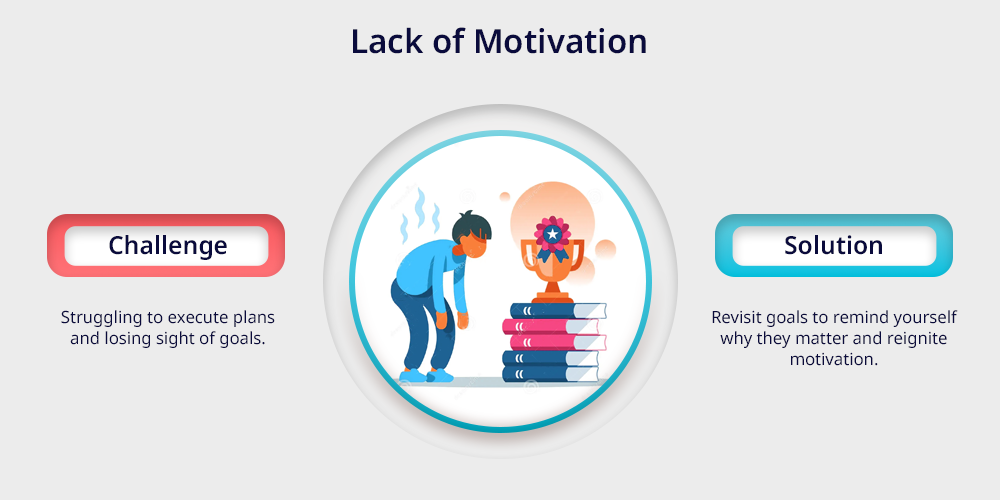
I used to wake up with my stomach in knots. It wasn’t even the work , it was the dread of not knowing what I’d forgotten. Once I started mapping out my week on Sunday nights, that anxiety dropped hard.
The American Psychological Association has shown that chronic stress affects student performance and health. A calm mind learns better , and lives better.
More Time for Hobbies and Friends
Good time management actually gives you more free time. Sounds backward, but it’s true. When you batch your work and stick to it, you open up evenings for Netflix, painting, sports , whatever makes you happy.

| Without Time Management | With Time Management |
|---|---|
| Constant rushing, missed deadlines | Steady progress, fewer surprises |
| All-nighters, mental fatigue | Better sleep, improved memory |
| No time for self-care | More room for hobbies and rest |
Builds Discipline and Accountability
This part hits home. Time management taught me how to say “no” to things I didn’t need, and “yes” to habits that helped. It’s not just about getting tasks done , it’s about building personal integrity. Showing up for yourself. Doing what you said you would, even when nobody’s checking.
It also builds trust. Teachers notice. Friends see it. Future employers feel it. The discipline you grow today becomes the backbone of the way you work , and live , tomorrow.
Long-Term Impact of Time Management
You won’t be in school forever. But how you manage time now will follow you. And that can be a good thing , if you build smart habits early.
Preparing for Future Careers
I’ve worked with interns who nailed projects not because they were smarter , but because they could organize their week. Employers notice this more than you think. A report from McKinsey listed time management as one of the top soft skills for the next decade.
When you can plan, prioritize, and communicate your bandwidth , you’re already ahead of the pack.
Habit Formation and Lifelong Learning
Here’s what nobody told me until much later: life doesn’t get less busy. If anything, it adds layers , jobs, relationships, kids. But when you’ve built strong scheduling habits, you adapt. You don’t flail.
Those 15-minute calendar check-ins or daily to-do reviews? They become part of who you are. And that, over time, makes a massive difference in how well you handle change, pressure, and new challenges.
FAQ
What are some simple time management techniques for students?
Start with the basics: use a weekly planner, try time blocking, and set timers like the Pomodoro method (25 minutes work, 5 minutes rest). Stick to short, focused sessions , not marathon study binges. Also, rank your tasks using the Eisenhower Matrix: urgent vs. important.
How does time management reduce academic stress?
When you know what’s coming and how long it’ll take, you stop guessing and panicking. That cuts stress by giving your brain a clear map. You avoid the chaos of last-minute work, which often triggers anxiety and burnout.
Can good time management help improve grades?
Yes. Multiple studies, including those from CollegeAve, show that students who manage their time tend to finish assignments earlier, retain more info, and feel more prepared for exams , all of which lead to better results.
Recap of Key Points
We’ve walked through how time management affects your schoolwork, your stress levels, your friendships , even your future job success. It’s not about becoming a machine, but about making room for the life you want. With just a few changes, you can take back control.
If you’re feeling like you’re constantly behind or overwhelmed, this is your sign to try something different. Don’t aim for perfect , aim for better this week than you were last week. That’s real growth.
I’ve lived both sides: the unplanned chaos and the calm of a well-managed week. Trust me , the second one’s not just better for grades. It’s better for your peace. Give it a shot. One calendar block at a time.