
How to Prioritize Your To-Do List for Maximum Productivity

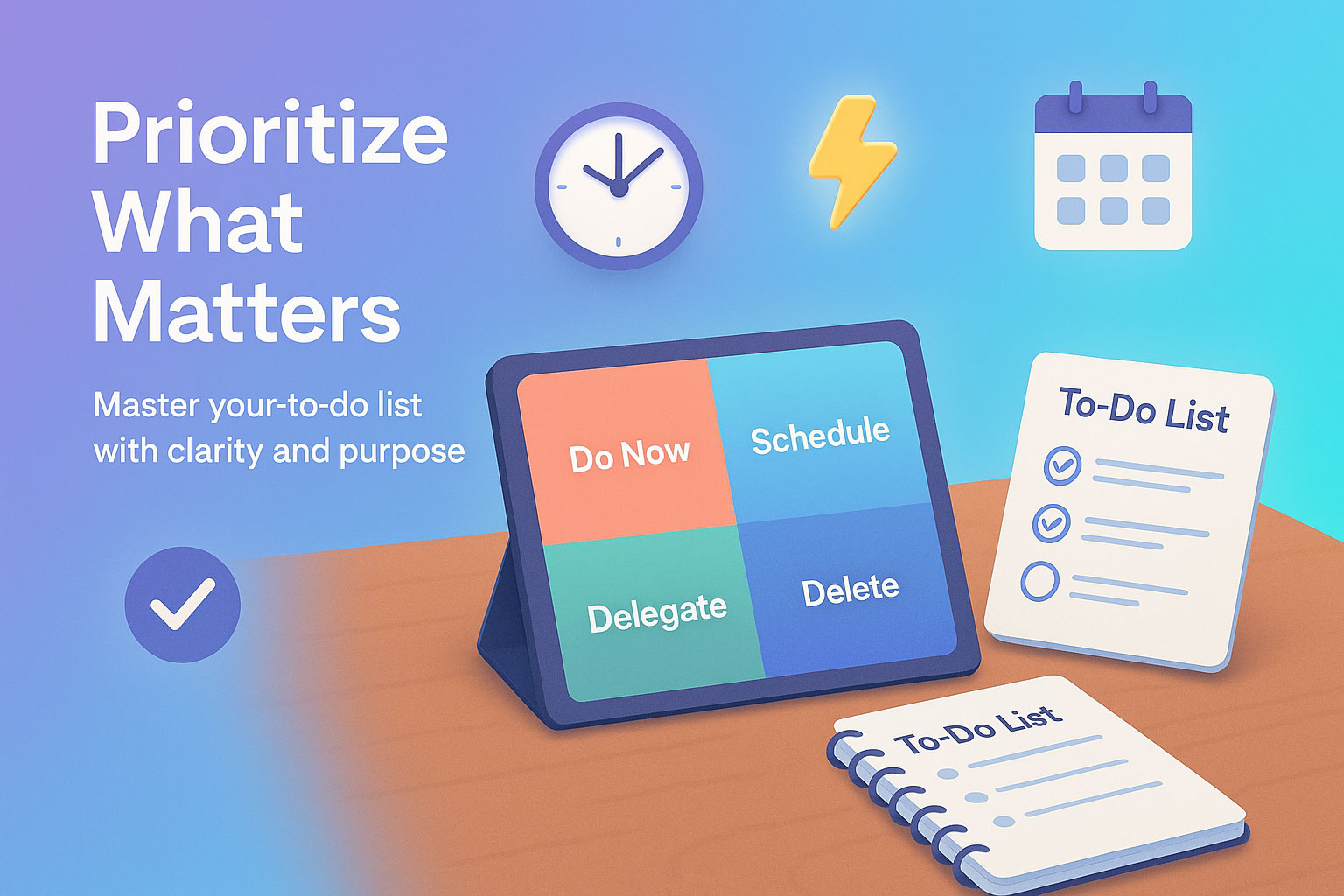
Every morning, I used to look at my to-do list and feel like someone dumped a jigsaw puzzle on my desk. Random pieces everywhere. Some tasks were yelling for attention, others just sat there, quietly building guilt. Sound familiar?
When everything feels urgent, nothing truly gets done. That was my problem. I thought writing a long list meant I was productive,but in reality, I was just busy. Busy isn’t the same as productive. I needed a better system, one that didn’t leave me burnt out and overwhelmed by lunchtime.
So I started organizing my tasks using actual prioritization frameworks. And let me tell you, it changed everything. The Eisenhower Matrix? Game-changer. Scheduling by impact and effort? Total mental relief. Now, I don’t just finish more,I finish the right things first.
- How to dump everything into a master list without judgment
- What makes a task urgent versus important (they’re not the same)
- Why the Eisenhower Matrix is worth taping to your wall
- How to plan based on energy, not just time
- Tools and habits that help you keep priorities in check daily
By the time you’re done reading this, you’ll not only have a clear system,but your to-do list will start working for you, not against you.
Start with a Master List
I always start by dumping everything in my head onto paper,or sometimes a digital note, if I’m already by my computer. Doesn’t matter how small or silly it feels. “Refill dog food” lives right next to “Submit Q3 budget report.” No judging. The goal here is to clear brain space. You can’t prioritize what you can’t see.
That said, beware of “list paralysis.” You know when your list has 36 things and suddenly scrolling social media feels like the better plan? Yeah. Don’t let that happen. You’re just organizing stress unless you move to the next step.
Urgent vs. Important
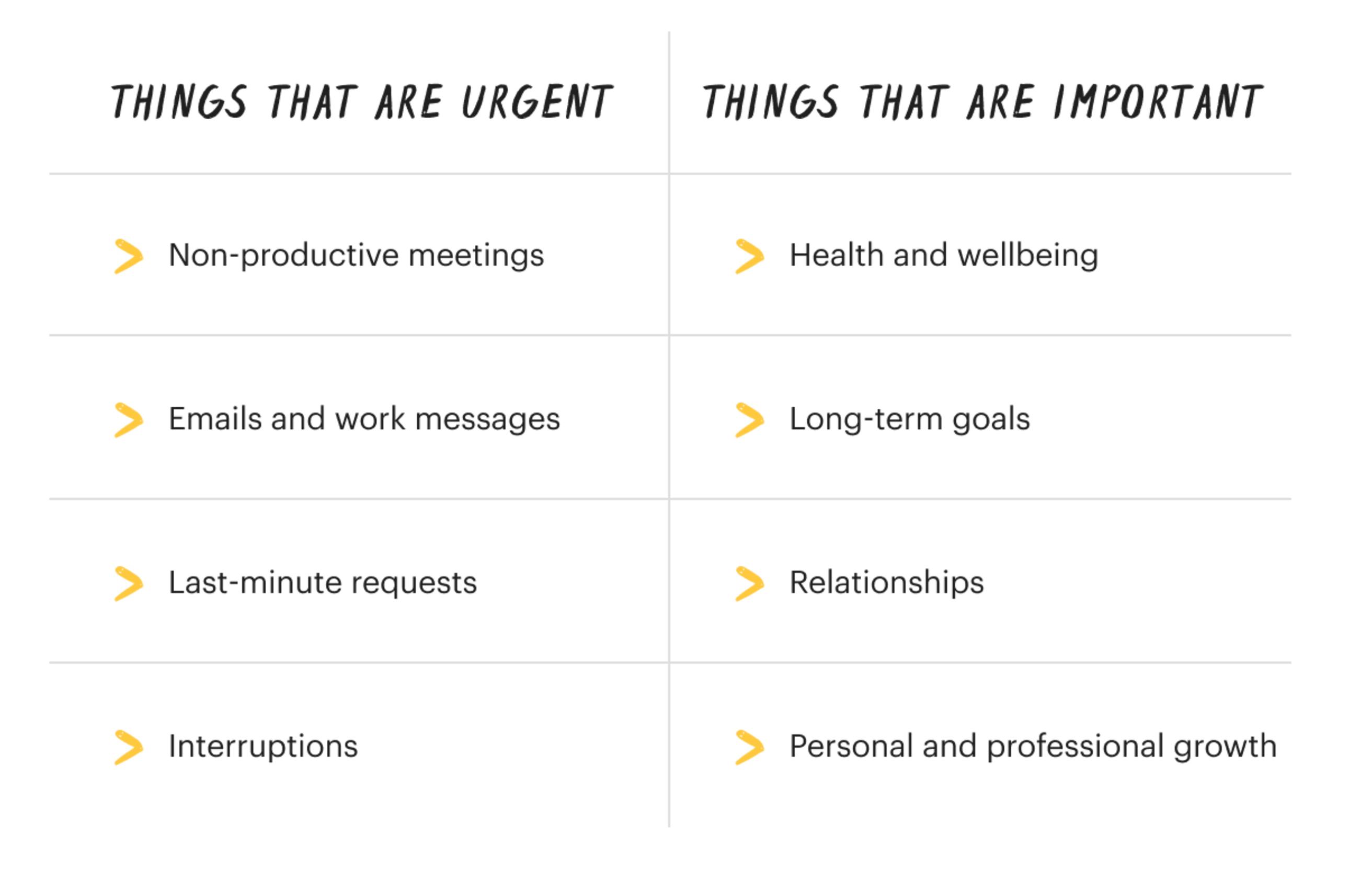
This was my biggest aha moment. I always lumped urgent and important into one messy category. But they’re very different. Urgent means it’s time-sensitive. Important means it aligns with your actual goals. Sometimes they overlap, but not always.
For example, replying to a Slack message from your coworker might be urgent,but not important. Working on a new skill that will help you land a promotion? Important, but probably not urgent.
This is exactly where mastering Time Management for Students becomes vital,not just for school, but as a framework for life. Knowing how to distinguish priorities helps prevent burnout and increases long-term success.
Use the Eisenhower Matrix
This four-quadrant system helped me stop reacting to everything like it was a five-alarm fire. Here’s how it works:
| Urgent | Not Urgent |
|---|---|
| Important DO it now Examples: client deadline, doctor’s appointment |
Important SCHEDULE it Examples: career planning, writing that book |
| Not Important DELEGATE it Examples: data entry, routine errands |
Not Important DROP it Examples: mindless scrolling, unnecessary meetings |
When I tried this for the first time, I was shocked by how much I was doing that didn’t actually matter. I had a bunch of “not urgent, not important” stuff just sitting on my plate out of guilt or habit. That quadrant? Gone.
If you’re overwhelmed by how to start, check out this guide on How to Prioritize Your To-Do List. It walks you through task sorting and how tools like the Eisenhower Matrix and Eisenhower Box can clarify daily goals.
Prioritize by Time and Effort
Once I had my quadrants down, I noticed something else. Some tasks looked “small” but took forever. Others were big but quick. So I started using this question: “What’s the effort vs. impact?”
I label tasks as either quick wins (low effort, high impact) or energy zappers (high effort, low impact). If I can knock something out in five minutes, I do it right away. If it takes longer, I block out time. But I only do that if it actually moves the needle.

This concept is similar to the 80/20 Rule in School, which shows how focusing on the highest-impact 20% of your work can drive 80% of your results. Even outside of school, the rule applies perfectly to task management.
Set Realistic Daily Priorities
I used to plan my day like I had the stamina of a robot. Twelve items, five meetings, and an “optional” workout. Now? Just three priorities. I ask myself, “If I only get these done, will today feel productive?”
It works. You gain early wins, build momentum, and leave space for life. Planning for disruptions is just as important,I always leave a buffer block in my day to catch fires or just breathe.
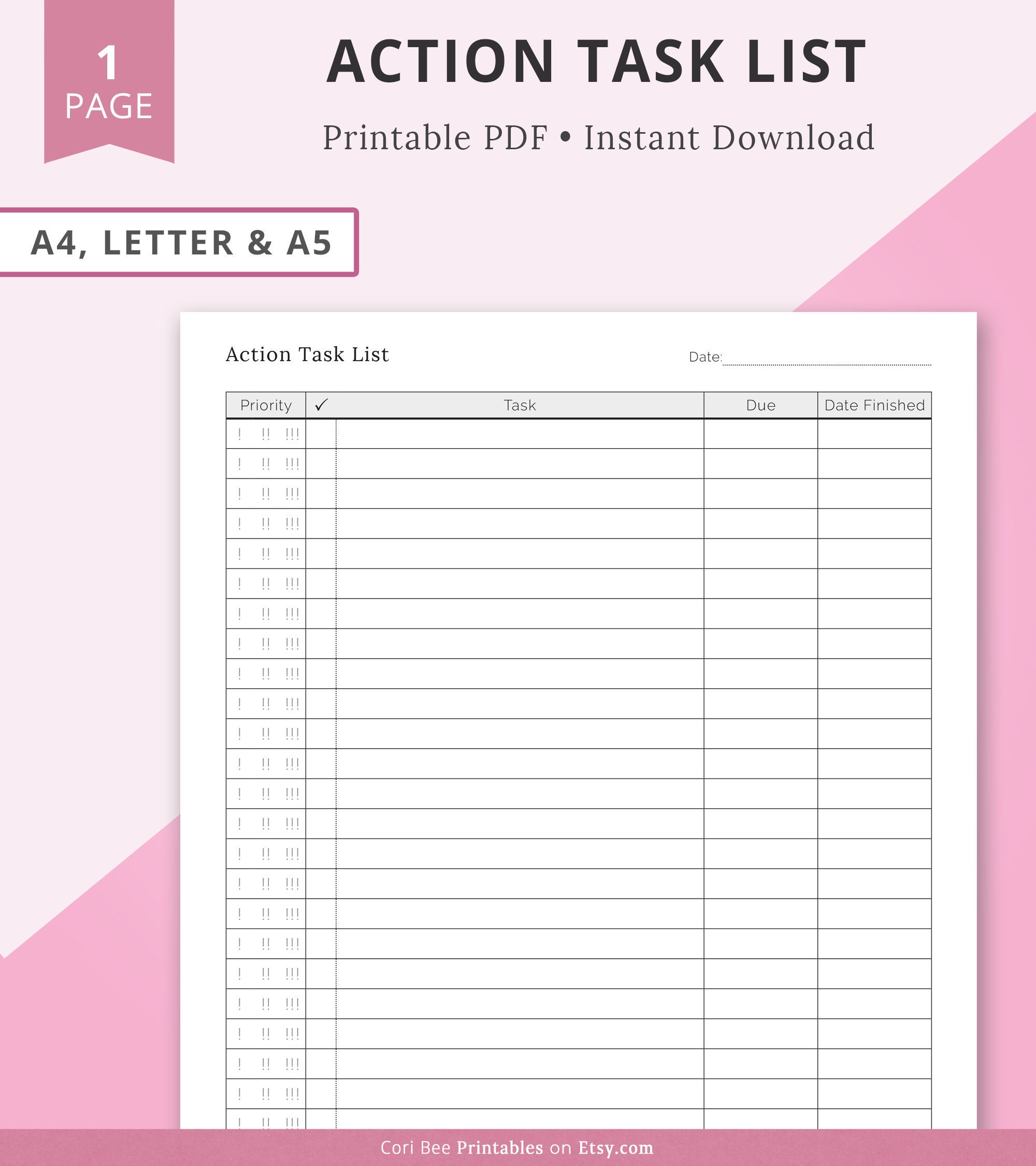
For better day-to-day task control, you might try one of these Daily Planning Templates for Students. They’re useful even for professionals who want to keep things visual and simple.
Tools and Apps for Task Prioritization
Not gonna lie,I tried at least eight productivity apps before I found what stuck. Some were too bloated, others too simple. The truth is, no app works unless your system works. But once your system is solid? The right tool helps you stay on track without thinking too hard.
Todoist lets me tag tasks by priority. I color-code based on the Eisenhower Matrix and sort by due date. It’s fast and intuitive. For planning weekly goals, I also love Notion. It’s a bit more work upfront, but it lets you build your own dashboard with goals, tasks, calendar views,whatever you need.
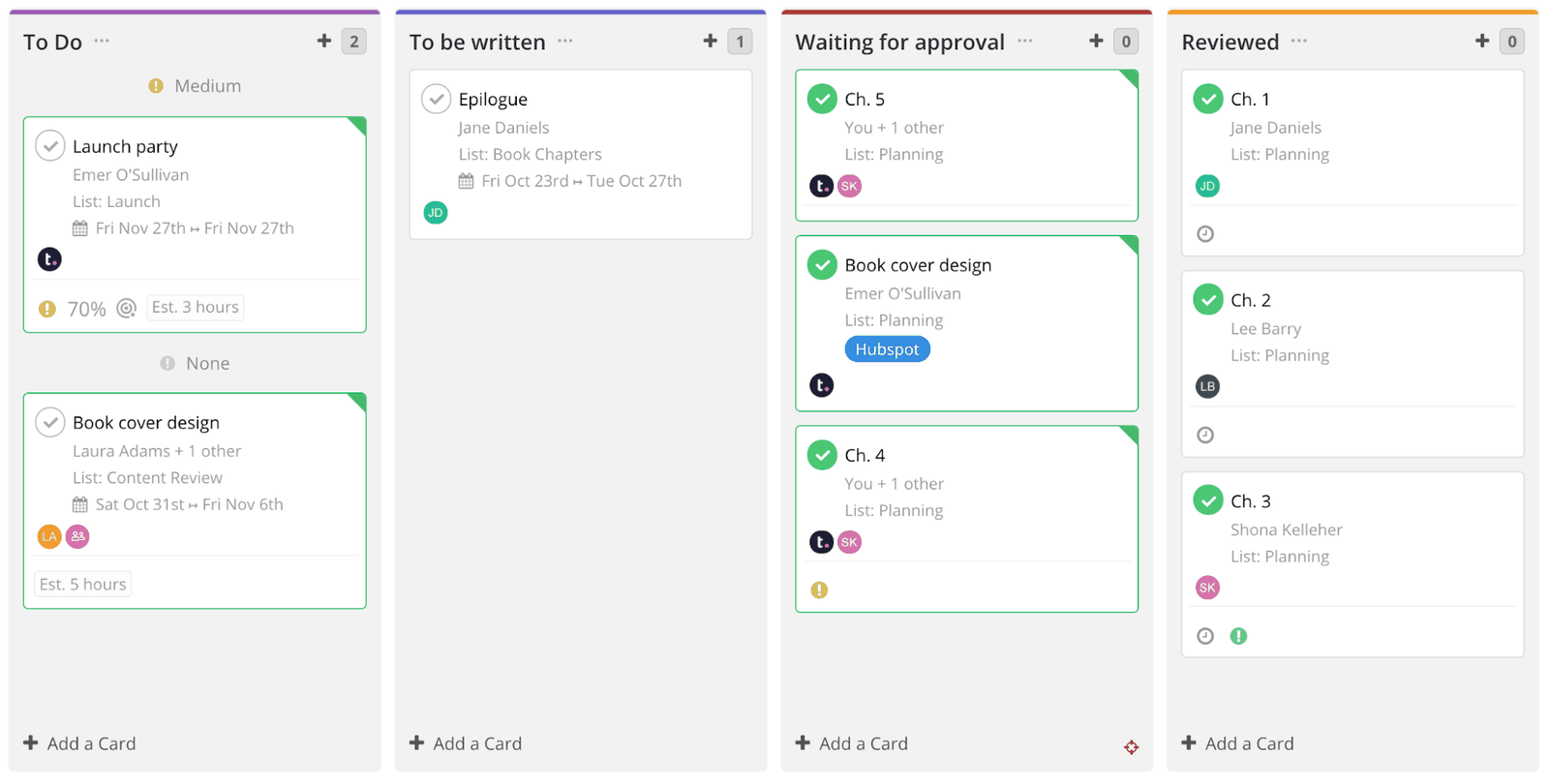
If you like visual planning, try Trello. Drag-and-drop boards feel satisfying, and you can make lists like “Today,” “This Week,” and “Someday.” The key is to avoid decision fatigue. Your system should reduce thinking, not add more.
Review and Adjust Regularly
Your to-do list isn’t a tattoo,it’s a living thing. What matters today might not matter tomorrow. I do a quick 5-minute review every night. I look at what I finished, what I didn’t, and if anything no longer deserves my energy. It’s not about guilt. It’s about honesty.
Once a week, I do a longer check-in. Sunday mornings, coffee in hand, I look at my list and calendar together. If I notice too many meetings or deadlines clustering up, I shift things. You can’t control everything, but you can create breathing room.
That weekly review is also when I trim my list. Some tasks have been dragging for days with zero progress. If they’re not urgent or important anymore? Delete. It’s okay to let go. Prioritizing isn’t just about doing,it’s about choosing what NOT to do.
Some tasks just need to go. If it’s not helping your goals and it’s been sitting around? Let it go. As one trick for staying aware, I also rely on Time Tracking for Self-Improvement. It’s helped me catch hidden time drains and sharpen how I spend my focus each day.
FAQs
What is the best method to prioritize tasks?
Personally, I swear by the Eisenhower Matrix. It helps you separate reactive “firefighting” from meaningful progress. You can also use the “top 3 daily” rule,pick just three tasks you MUST complete today. Combine both and you’ll stay focused without drowning.
How do I stop feeling overwhelmed by my to-do list?
First, brain dump everything. Don’t filter or organize. Just write. Then, use a system like the Eisenhower Matrix to sort it. Finally, trim it down,no more than 3 to 5 tasks per day. If something’s been sitting for weeks? It’s probably not a priority anymore.
Should I always do the hardest task first?
Not always. Some days, yes,especially if your energy’s high early. But other days, start with a quick win to build momentum. I flip-flop depending on how I feel. The key is knowing when to tackle what. Your energy is more important than the clock.
Final Thoughts
Let’s rewind. You’ve learned how to turn your chaotic task list into a clear, manageable game plan. From building a master list to using the Eisenhower Matrix and choosing daily top tasks,you’re now armed with tools that actually work. You’ve also seen how effort and impact shape smart scheduling, and why the right tools make consistency easier.
At the end of the day, prioritization isn’t about doing more. It’s about doing what matters. One small shift in how you plan can ripple through your whole week, your mindset,even your sleep.
So take 10 minutes right now. Grab a sheet, build your matrix, pick your top three. It might be the most productive thing you’ve done all day.